
Beautiful Plants For Your Interior
Beautiful Plants For Your Interior
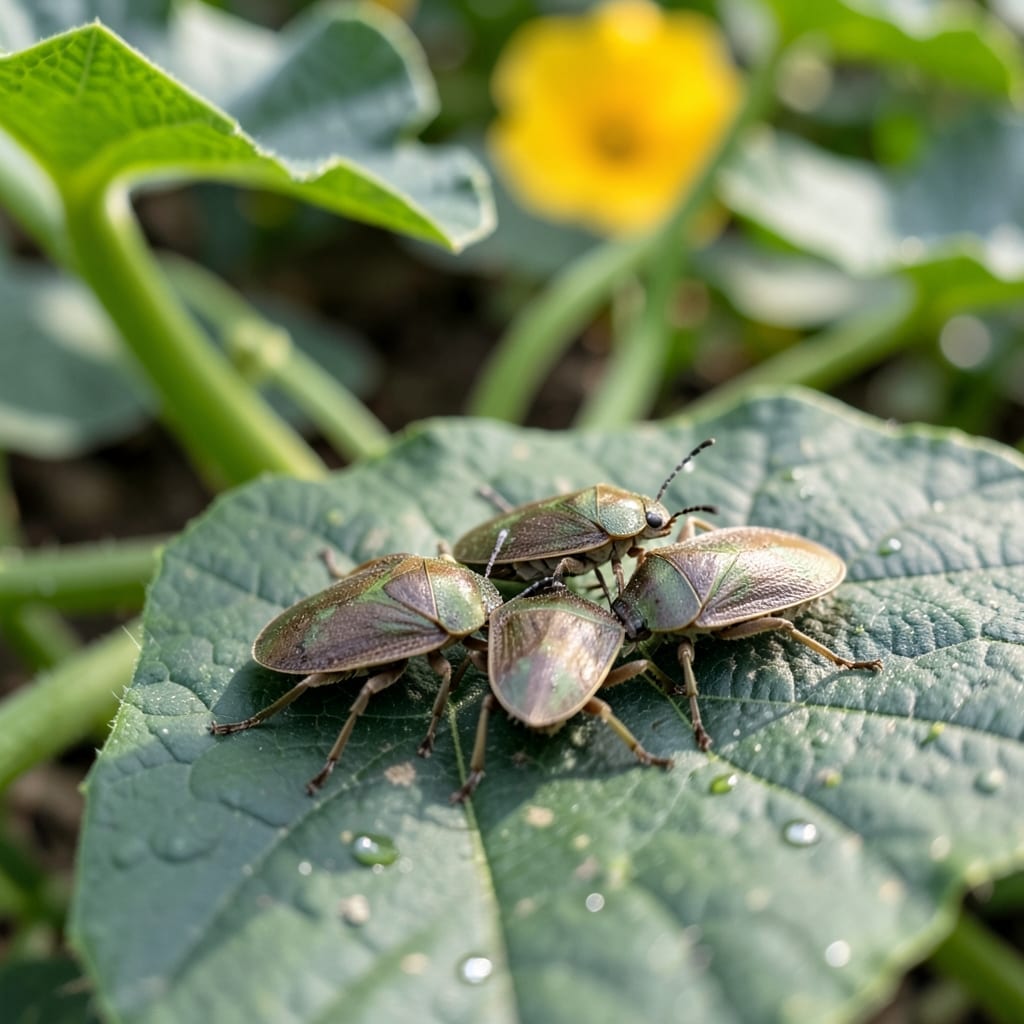
Stink bugs turn squash leaves into Swiss cheese overnight. I lost half my zucchini crop to them last season before I figured out what was happening.
They’re sneaky—hiding under leaves during the day, then feasting when you’re not looking. The damage looks like small punctures that turn yellow, then brown. Catching them early is key because they multiply fast and ruin fruit before it even forms.
You don’t need harsh chemicals to win this fight. Simple traps, beneficial insects, and daily inspections can keep your plants healthy without breaking the bank. The organic approach works better than you’d expect.
Start checking your plants now—before they strike again.
Stink bugs are a common nuisance for squash growers, but their attraction to these plants isn’t random. Understanding the reasons behind their infestation can help you take targeted action to protect your crop.
Squash plants provide an ideal buffet for stink bugs. These pests are drawn to the sap, fruits, and seeds of squash, which are rich in nutrients. As squash develop, they emit volatile organic compounds (VOCs) that signal ripeness and sweetness, acting like a dinner bell for stink bugs. The softer flesh of young squash is especially vulnerable to their piercing mouthparts.
Squash plants offer dense foliage and broad leaves, creating a perfect hiding spot for stink bugs. These pests seek shelter from predators, harsh weather, and direct sunlight. The warm microclimate under the leaves also accelerates their reproduction, leading to larger infestations if left unchecked.
In many gardens, stink bugs thrive because their natural predators—such as parasitic wasps, birds, and spiders—are absent or insufficient. Monoculture planting (growing only squash in a large area) can exacerbate this issue, as it removes biodiversity that would otherwise keep stink bug populations in check.
Stink bugs are particularly attracted to overripe or injured squash. Bruised or splitting fruits release stronger scent cues, drawing pests from afar. Regularly harvesting mature squash and removing damaged ones can reduce this attraction significantly.
Dealing with stink bugs on your squash plants can be frustrating, but these practical solutions will help you reclaim your garden. Below are targeted fixes for common causes, along with prevention tips to keep your harvests healthy.
If you spot stink bugs on your squash, the simplest solution is to handpick them off early in the morning when they’re sluggish. Drop them into a bucket of soapy water to ensure they don’t return. Prevention tip: Inspect plants daily, especially under leaves where bugs hide.
Protect young squash plants with floating row covers to block stink bugs from laying eggs. Secure the edges with soil or weights. Remove covers once flowers appear to allow pollination. Prevention tip: Rotate covers between plantings to disrupt pest cycles.
Spray neem oil on squash leaves, focusing on the undersides, to deter stink bugs and disrupt their life cycle. Reapply every 5–7 days or after rain. Prevention tip: Test on a small area first to avoid plant sensitivity.
Attract beneficial insects like ladybugs, parasitic wasps, and birds by planting companion flowers (e.g., marigolds, sunflowers) or setting up birdhouses. These predators feed on stink bug eggs and nymphs. Prevention tip: Avoid broad-spectrum pesticides that harm helpful insects.
Use pheromone traps to lure and capture adult stink bugs. Place traps near (but not on) squash plants to reduce infestations. Prevention tip: Empty traps regularly to maintain effectiveness.
Pro tip: 💡 Combine methods for best results—handpick visible bugs while using row covers or neem oil for long-term protection.
Look for small, irregular holes in leaves or fruits, often with yellowing or browning around them. The bugs pierce the plant to feed, leaving behind sunken lesions that can distort growth. Inspect undersides of leaves where they hide.
Yes, they can stunt growth by feeding on sap and tender new shoots. Young plants are especially vulnerable, so act quickly if you notice wilting or deformed leaves. Row covers work well for protection at this stage.
No, they’re most active at dawn and dusk but can feed any time. They often hide under leaves during hot daylight hours, making early morning inspections the best time to catch them.