
Beautiful Plants For Your Interior
Beautiful Plants For Your Interior
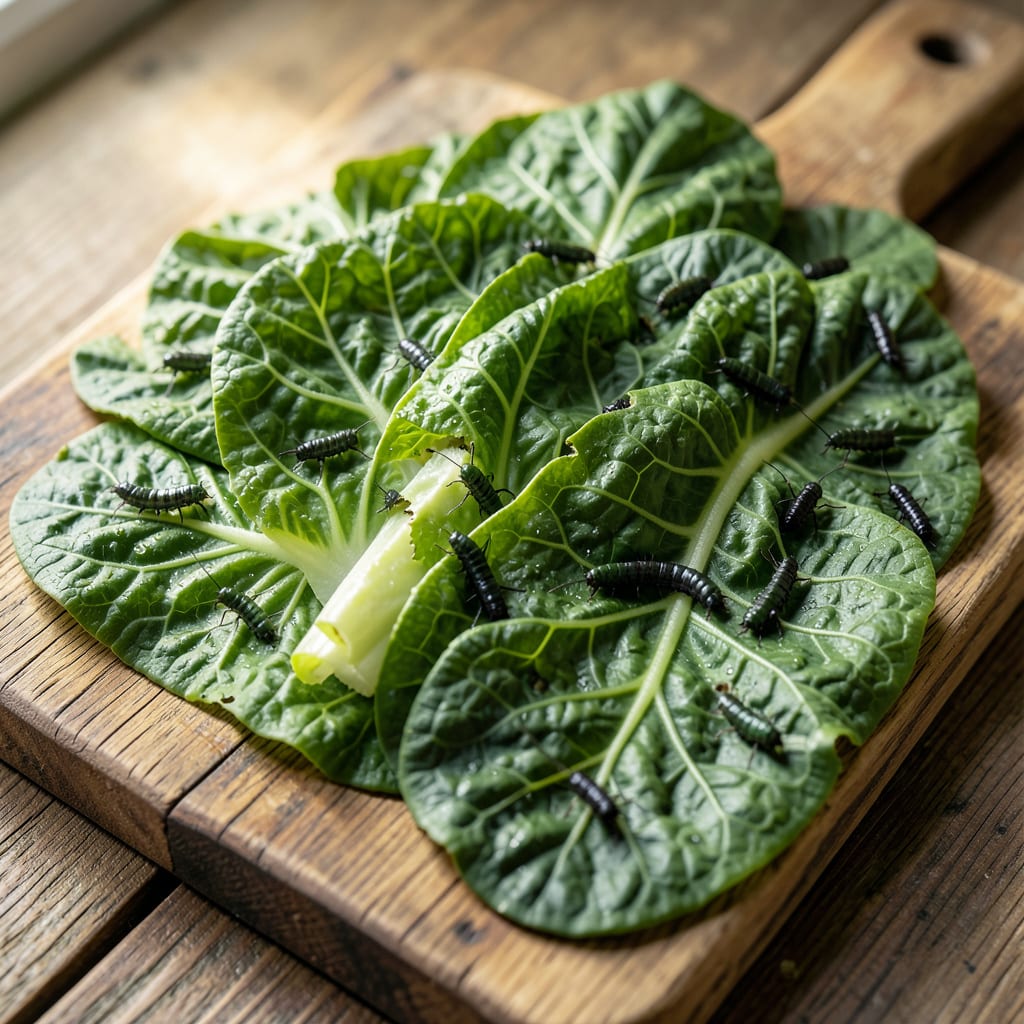
Cabbage leaves with holes overnight? I’ve been there—watching my plants turn into a buffet. The culprits are usually hiding in plain sight, and the damage spreads fast.
Identifying the pest is half the battle. Tiny eggs on leaf undersides, chewed edges, or slimy trails all point to different invaders. Once you spot them, organic solutions can work just as well as chemicals.
Prevention is simpler than you think. Companion plants like mint or dill can deter pests before they start. A little planning saves a lot of frustration later.
With the right approach, your cabbage can go from chewed to thriving in a week or two. Here’s how to take back your garden.
Your cabbage leaves are a buffet for pests, and several factors can turn your garden into an all-you-can-eat salad bar. Here’s why it happens:
Cabbage and other Brassica plants release sulfur compounds that naturally draw in pests like cabbage worms, aphids, and flea beetles. These bugs are hardwired to seek out these chemicals as a food source. The stronger the scent (especially in mature plants), the more likely they’ll find your garden.
Decaying plant debris, overgrown weeds, or leftover crop residues provide hiding spots and breeding grounds for pests. Aphids, for example, thrive in untidy spaces, while cabbage maggots lay eggs in moist, organic-rich soil. Regular cleanup removes these safe havens.
Monoculture plantings (e.g., a large cabbage-only patch) create an easy target for pests. Without companion plants like marigolds, herbs, or flowers to deter invaders, bugs can spread rapidly. Diversifying your garden disrupts their ability to locate and infest your cabbage.
Both extremes weaken cabbage plants. Overwatering leads to soft, vulnerable leaves that attract slugs and snails, while drought-stressed plants emit distress signals that lure in sap-sucking pests like aphids. Consistent, moderate watering keeps plants resilient.
Dealing with pests on your cabbage can be frustrating, but these practical solutions will help you reclaim your garden. Here’s how to address the most common culprits:
Check the undersides of leaves for green caterpillars or yellow eggs. Remove them by hand early in the morning when they’re sluggish, or place floating row covers over plants to block adult butterflies from laying eggs. For severe infestations, apply Bacillus thuringiensis (Bt), a natural bacteria that targets caterpillars without harming beneficial insects.
Prevention tip: 💡 Plant thyme or mint nearby to deter adult butterflies.
These tiny green or black bugs cluster on new growth, sucking sap and leaving sticky residue. Spray them off with a strong stream of water, or wipe leaves with a soapy water solution (1 tsp mild soap per liter of water). For long-term control, attract ladybugs or lacewings—natural aphid predators—by planting dill, fennel, or yarrow.
Prevention tip: 🌡️ Avoid over-fertilizing with nitrogen, which aphids love.
These nighttime feeders leave irregular holes and slime trails. Create a barrier with crushed eggshells or copper tape around plants. For a hands-off approach, set out beer traps (bury a shallow dish filled with beer at soil level) or use iron phosphate baits, which are pet-safe.
Prevention tip: ✨ Water in the morning so soil is dry by evening, discouraging slugs.
Tiny black beetles that create “shothole” patterns in leaves can be controlled with food-grade diatomaceous earth dusted around plants. Interplant with radishes or nasturtiums, which act as trap crops, luring beetles away from your cabbage.
Prevention tip: 🎯 Rotate crops yearly to disrupt their life cycle.
Consistency is key—check plants weekly and act at the first sign of trouble. A little effort now saves your cabbage harvest later!
Look for clues like tiny eggs under leaves (cabbage worms) or slime trails (slugs). Chewed edges mean caterpillars, while holes with jagged edges often indicate flea beetles.
Handpick visible pests like cabbage worms early in the morning. For aphids, spray leaves with a strong water stream. Use row covers to prevent new infestations.
Yes! Plant mint or thyme nearby to deter butterflies. Companion plants like nasturtiums can trap flea beetles away from your cabbage.
Check for poor garden hygiene, overwatering, or lack of biodiversity. Remove plant debris, water consistently, and diversify plantings to disrupt pest cycles.
