
Beautiful Plants For Your Interior
Beautiful Plants For Your Interior
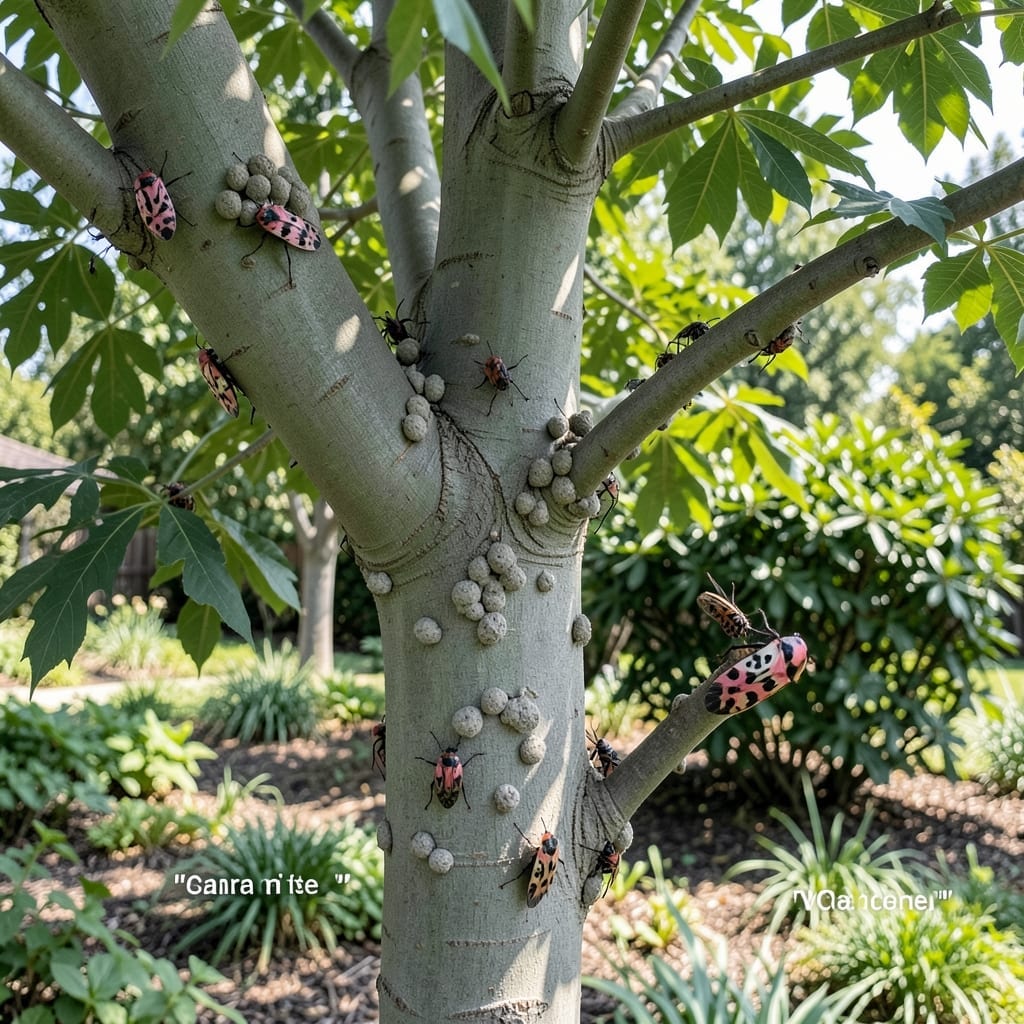
I first spotted them last fall—gray, mud-like splotches on my tree bark. Turned out to be spotted lanternfly egg masses, and I learned the hard way how quickly they spread.
These pests lay eggs in late summer through winter, choosing trees, rocks, or even outdoor furniture. Each mass holds 30-50 eggs, and they hatch in spring to start the cycle over.
Removal is simpler than you think. Scrape them into a bag with soapy water, and you’ve stopped dozens of future lanternflies before they start.
Early action saves your garden and your neighbors’ too. Here’s exactly how to find and destroy them.
The spotted lanternfly’s egg-laying behavior is driven by biological and environmental factors. Understanding these causes helps predict and manage infestations effectively.
Spotted lanternflies are univoltine, meaning they complete one generation per year. Adult females lay eggs in late summer to early fall (August–November) to ensure offspring hatch the following spring. This timing aligns with their life cycle, triggered by shortening daylight and dropping temperatures.
Females seek nutrient-rich host plants (e.g., tree of heaven, grapevines, maples) to lay eggs nearby. These plants provide sustained food for nymphs after hatching. The presence of preferred hosts directly influences egg mass placement, often on tree bark, rocks, or man-made surfaces like vehicles and outdoor furniture.
Mild winters and warm falls extend the egg-laying window. Females thrive in temperatures between 50–85°F (10–29°C), and frost delays egg deposition. However, they avoid laying in freezing conditions, as eggs require a cold period (vernalization) to break dormancy and hatch in spring.
Laying 30–50 eggs per mass (and up to 6–7 masses per female) increases the odds of survival. The waxy, mud-like coating on egg masses protects them from predators and harsh weather, ensuring the next generation’s persistence even if some eggs fail.
Spotted lanternflies can wreak havoc by laying eggs on trees, outdoor furniture, and even vehicles. Here’s how to tackle the problem and prevent future infestations.
If you spot gray, mud-like patches on surfaces, these are likely egg masses. Use a plastic card or scraper to remove them. Drop the eggs into a ziplock bag filled with rubbing alcohol or hand sanitizer to ensure they don’t hatch. Pro tip: 💡 Check trees, decks, and outdoor gear regularly during late fall and winter.
If you see nymphs (black with white spots) or adults (brightly colored), act fast. Stomp or crush them—no fancy tools needed. For larger groups, use a vacuum (seal and dispose of the bag immediately). Warning: Avoid pesticides unless absolutely necessary, as they can harm beneficial insects.
Wrap tree bands around trunks to trap nymphs as they crawl up. Apply sticky tape (like duct tape, sticky-side out) around the band to catch them. Replace bands weekly for best results.
Spotted lanternflies lay eggs on vehicles, firewood, and outdoor items. Before traveling, inspect and clean your car, camper, or luggage. Store firewood indoors or cover it tightly.
Encourage birds, spiders, and praying mantises in your yard—they feed on lanternflies. Plant native trees like oak or maple to attract these natural predators.
Prevention is key: Stay vigilant, act quickly, and share these tips with neighbors to keep your community lanternfly-free! ✨
Begin inspections in late summer through winter, as females lay eggs from August to November. Focus on trees, outdoor furniture, and vehicles during this window.
Look for gray, mud-like patches about 1–1.5 inches long. They’re often on tree bark but can appear on rocks or man-made surfaces. Scrape a small section to reveal rows of tiny eggs underneath.
Yes, the waxy coating protects them from freezing temperatures. They require a cold period to break dormancy before hatching in spring. Remove them before April to prevent infestations.
Scrape masses into a bag with rubbing alcohol or soapy water. Seal tightly and dispose in the trash. Never crush them on the ground—eggs can still survive.