
Beautiful Plants For Your Interior
Beautiful Plants For Your Interior
Squash plants attract pests like cucumber beetles and powdery mildew faster than almost anything in the garden. I’ve lost entire crops to these problems—until I discovered how neem oil stops them in their tracks. This
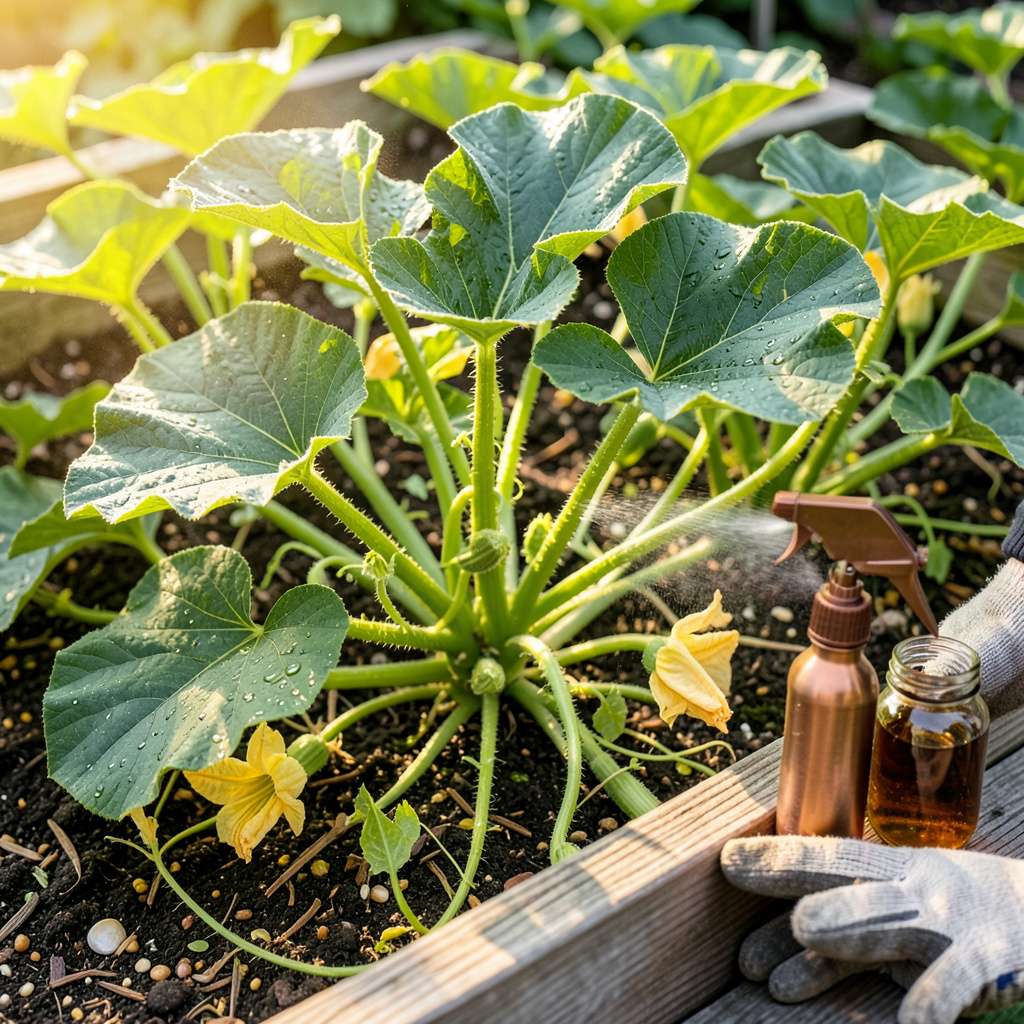
Squash plants attract pests like cucumber beetles and powdery mildew faster than almost anything in the garden. I’ve lost entire crops to these problems—until I discovered how neem oil stops them in their tracks. This Squash Bugs: An Effective Organic Solution”>organic solution protects your vines without harsh chemicals, keeping leaves healthy and fruit production strong.
The key is timing and proper application. Neem oil works best as a preventative, applied in the early morning before temperatures rise. I learned the hard way that spraying in full sun can burn leaves, but when done right, it creates a protective barrier that deters pests and smothers fungal spores before they spread.
You’ll notice fewer chewed leaves within days and healthier vines that can focus energy on producing fruit rather than fighting infestations. The difference shows in your harvest—plants stay productive longer, and the squash develops without the stress marks that come from constant pest pressure.
Works for all squash varieties, from zucchini to pumpkins, and fits into any organic gardening system. Here’s exactly how to apply it for maximum protection without harming pollinators or beneficial insects.
📚 In This Guide
Face mask (if spraying in enclosed areas).
This simple process protects your plants from pests while keeping your harvest chemical-free. Let’s get started.
Apply neem oil in the early morning or late evening when temperatures are below 90°F. Direct sunlight combined with oil can burn squash leaves. I always check the forecast first—you want at least 24 hours without rain after application so the oil stays on the plants.
Look for calm weather too. Windy conditions make spraying difficult and reduce coverage. The best time is right after watering when plants are hydrated but leaves have dried. You’ll see water beads rolling off the foliage—that’s your cue the leaves are ready for treatment.
Combine 1 tablespoon of cold-pressed neem oil with 1 teaspoon of mild liquid soap in 1 gallon of warm water. The soap acts as an emulsifier to help the oil mix with water. Shake vigorously in a spray bottle until the mixture looks uniformly cloudy with no oil floating on top.
Test your mixture on a single leaf first. Wait 24 hours to check for any adverse reaction like yellowing or spotting. Squash plants are generally tolerant, but this precaution saves your entire crop if there’s an unexpected sensitivity. I learned this the hard way after losing a zucchini plant to an over-concentrated mix.
Spray the solution liberally on both sides of leaves, stems, and the soil around the base. Focus on the undersides where pests like squash bugs and cucumber beetles hide and lay eggs. You’ll want to see a fine, even coating that makes the leaves look slightly shiny but not dripping wet.
Work from the bottom up, starting with the oldest leaves near the soil. These are most vulnerable to pests and often get overlooked. For vining squash, lift the leaves gently to reach hidden areas. A complete application should take about 5-10 minutes per plant when done carefully.
Reapply every 7-14 days throughout the growing season, or immediately after rain which washes away the protective coating. I mark my calendar to stay consistent—missed applications give pests a chance to establish themselves. You’ll notice the oil’s garlic-like smell fading between treatments; that’s your signal it’s time to reapply.
Watch for pest activity between applications. If you see new damage or insects, spray again right away. The oil works best as prevention, but it can stop minor infestations if caught early. Always reapply after heavy dew or overhead watering, as moisture dilutes the oil’s effectiveness.
Check your plants 2-3 days after each application. Healthy leaves should maintain their green color with no signs of burning or stress. If you notice any leaf curling or browning at the edges, reduce the concentration slightly next time or apply only in the evening.
Keep an eye out for beneficial insects like bees and ladybugs. While neem oil is organic, it can affect them if applied directly. I spray in the evening when pollinators are less active, and I avoid treating flowers. The goal is protecting your squash while maintaining a balanced garden ecosystem.
Here’s what I’ve learned from years of protecting squash plants with neem oil—simple adjustments that make all the difference.
Timing Secret: The 24-hour window after application mentioned in Step 1 is absolutely critical. I once applied neem oil right before an unexpected afternoon shower, and the rain washed away all my hard work. Now I religiously check the extended forecast and always have a backup day planned. That 24 hours without rain gives the oil time to fully absorb and start working against pests.
Mixing Technique: When combining the 1 tablespoon of cold-pressed neem oil with 1 teaspoon of mild liquid soap in Step 2, warm water is your friend. I use water that’s warm to the touch (not hot) which helps the oil emulsify more completely. Shake the spray bottle for at least 30 seconds—you should see a uniform milky appearance with no oil separating at the top. This ensures even coverage when you spray.
Application Strategy: For Step 3, I’ve found that working systematically from the base of the plant upward prevents missing spots. Start with the stems and soil, then move to the undersides of the oldest leaves, finishing with the newest growth at the top. Those 5-10 minutes per plant might seem tedious, but thorough coverage is what stops pests in their tracks. I use a small paintbrush to apply the solution to hard-to-reach areas where pests love to hide.
Monitoring Insight: The 2-3 day check mentioned in Step 5 is when you’ll catch problems early. I look for subtle changes: leaves that feel slightly leathery might indicate too much oil, while any yellowing suggests sensitivity. After my zucchini incident, I now keep a garden journal noting which plants show any reaction and adjust concentrations accordingly for future applications.
Apply neem oil every 7–14 days as a preventative measure, or every 5–7 days if pests (like squash bugs or powdery mildew) are active. Always spray in the early morning or late evening to avoid leaf burn. Reapply after rain or heavy watering, as it washes away easily.
Yes, but avoid spraying open flowers to protect pollinators like bees. Focus on the leaves, stems, and undersides where pests hide. If fruit is present, wash it thoroughly before eating. Neem oil is safe for edibles but has a bitter taste if not rinsed.
If neem oil fails, try insecticidal soap (for soft-bodied pests) or kaolin clay (for deterring squash bugs). For fungal issues, copper fungicide or baking soda sprays (1 tbsp baking soda + 1 gallon water + a drop of soap) can help. Rotate methods to prevent resistance.
Yellowing leaves may signal overapplication, sunburn, or poor dilution. Always mix neem oil with water and a mild soap (like Castile) as an emulsifier—never apply it undiluted. Test on a small area first, and avoid spraying in direct sunlight or extreme heat.
Neem oil blends well with liquid seaweed, fish emulsion, or pyrethrin-based sprays, but avoid mixing with chemical fungicides or oils (like horticultural oil). Always do a patch test first to check for plant stress. When in doubt, apply products separately, spaced 2–3 days apart.
Neem oil is a game-changer for squash plants, offering a safe, organic way to combat pests and diseases while keeping your harvest thriving. 🌱 By using it correctly—diluting properly, applying at the right time, and staying consistent—you’ll protect your plants without harsh chemicals.
Ready to give it a try? Start with a small test spray on a few leaves, then scale up as you see results. Your squash plants (and future meals!) will thank you. Happy gardening! 🛒Pick up a bottle of cold-pressed neem oil today and get started!
