
Beautiful Plants For Your Interior
Beautiful Plants For Your Interior
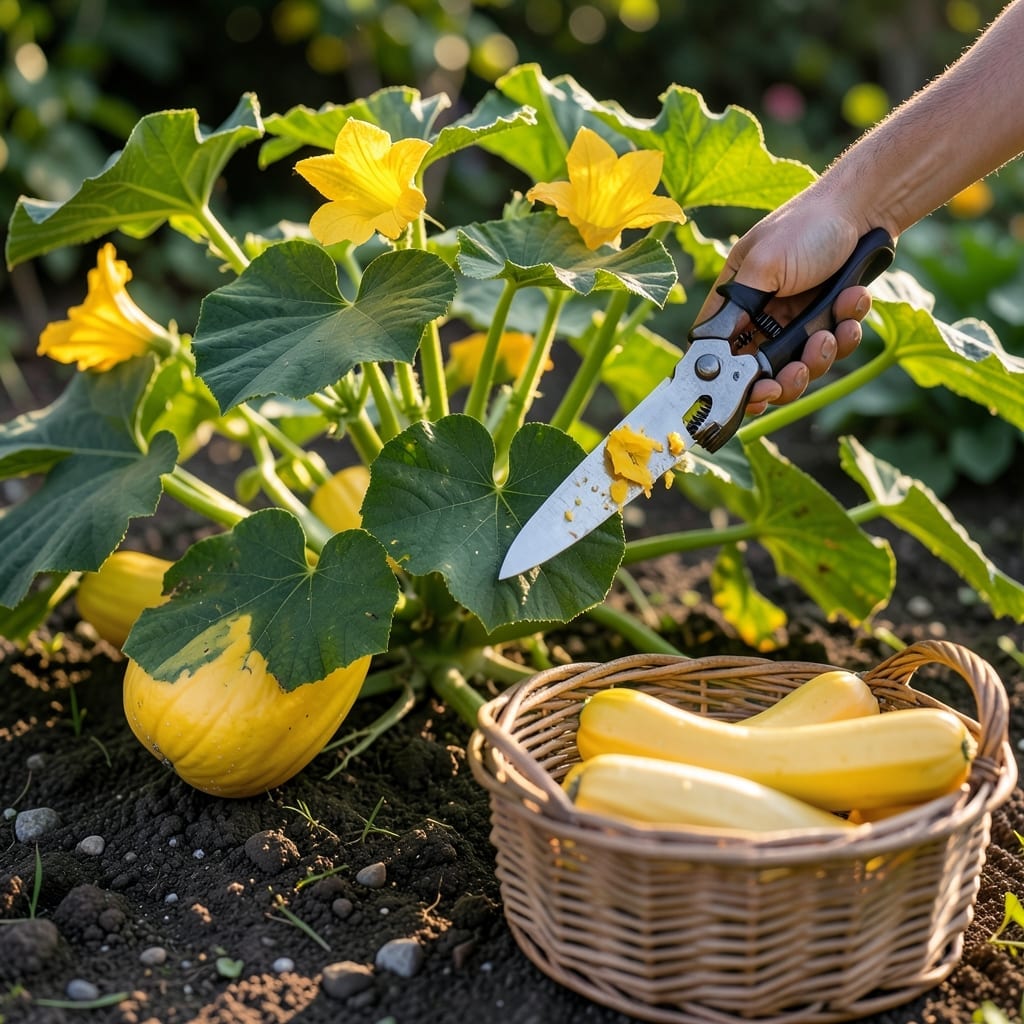
Knowing the exact moment to harvest Yellow Squash 🎃 can mean the difference between tender, flavorful produce and tough, bitter vegetables.
Timing is everything when it comes to picking this garden favorite. The window between perfectly ripe and over-the-hill can be surprisingly short.
I’ll show you how to spot the subtle signs that your squash is at its peak. From color changes to texture tests, these simple checks take the guesswork out of the process.
Discover the 3 key indicators that guarantee you’ll pick your Yellow Squash at just the right moment, every time.


I’ve found that yellow squash gives clear signals when it’s ready to be picked. The most obvious sign is the bright yellow color that covers the entire fruit. If it’s still green or pale, it needs more time to mature.
Another key indicator is the size of the squash. Most varieties are ready when they reach 4-8 inches long and about 2 inches in diameter. Smaller squash tends to be more tender.
| Sign | Description |
|---|---|
| Color | Bright, glossy yellow |
| Size | 4-8 inches long |
| Skin Texture | Tender, easily punctured with fingernail |
| Stem Condition | Dry and woody |
The skin texture is another great clue. When the squash is ready, the skin should be tender enough to puncture easily with your fingernail. If it’s too hard, it’s overripe; if it’s too soft, it’s not ready yet.
I always check the stem condition too. A ready-to-harvest squash will have a dry, woody stem. If the stem is still green and moist, the squash likely needs more time on the vine.
Harvesting too early results in underdeveloped flavor and small size, while waiting too long can make the squash tough and bitter. I’ve learned to check my plants every 2-3 days during peak season.
The glossy appearance of the skin is another sign of ripeness. A dull or waxy skin often means the squash isn’t quite ready. I’ve found that morning harvesting works best, as the squash is firm and fresh.
Remember that consistent harvesting encourages more production. The more you pick, the more your yellow squash plants will produce throughout the growing season.
If you notice soft spots or a mushy texture, the squash has likely stayed on the vine too long. These should be removed to prevent them from draining energy from the plant.
I also pay attention to the overall plant health. Healthy vines with vibrant leaves are more likely to produce high-quality squash. If the leaves look wilted or yellow, it might be a sign of stress.
By keeping these visual and physical cues in mind, you’ll be able to harvest your yellow squash at the perfect moment every time. 🌱
Harvesting yellow squash properly ensures a healthy plant and a bountiful yield. I always start by checking the ripe signs we discussed earlier. Once confirmed, it’s time to pick with care to avoid harming the vine.
Using the right tools makes all the difference. A sharp knife or pruning shears is essential for a clean cut. Never pull the squash off by hand, as this can damage the plant and reduce future production.
I recommend harvesting in the early morning when temperatures are cooler. This helps the squash retain moisture and stay fresh longer. Always wear gloves to protect your hands from the plant’s rough leaves.
After cutting, place the squash in a shaded area to prevent wilting. If you notice any damaged or overripe squash, remove them immediately to redirect the plant’s energy to healthier fruits.
Regular harvesting keeps the plant productive. I’ve found that yellow squash plants can produce new fruits within days if picked consistently. This practice also prevents the plant from becoming overburdened with large, tough squash.
Finally, store your harvested squash in a cool, dry place or refrigerate for up to a week. This preserves their freshness and flavor until you’re ready to enjoy them. ✂️