
Beautiful Plants For Your Interior
Beautiful Plants For Your Interior
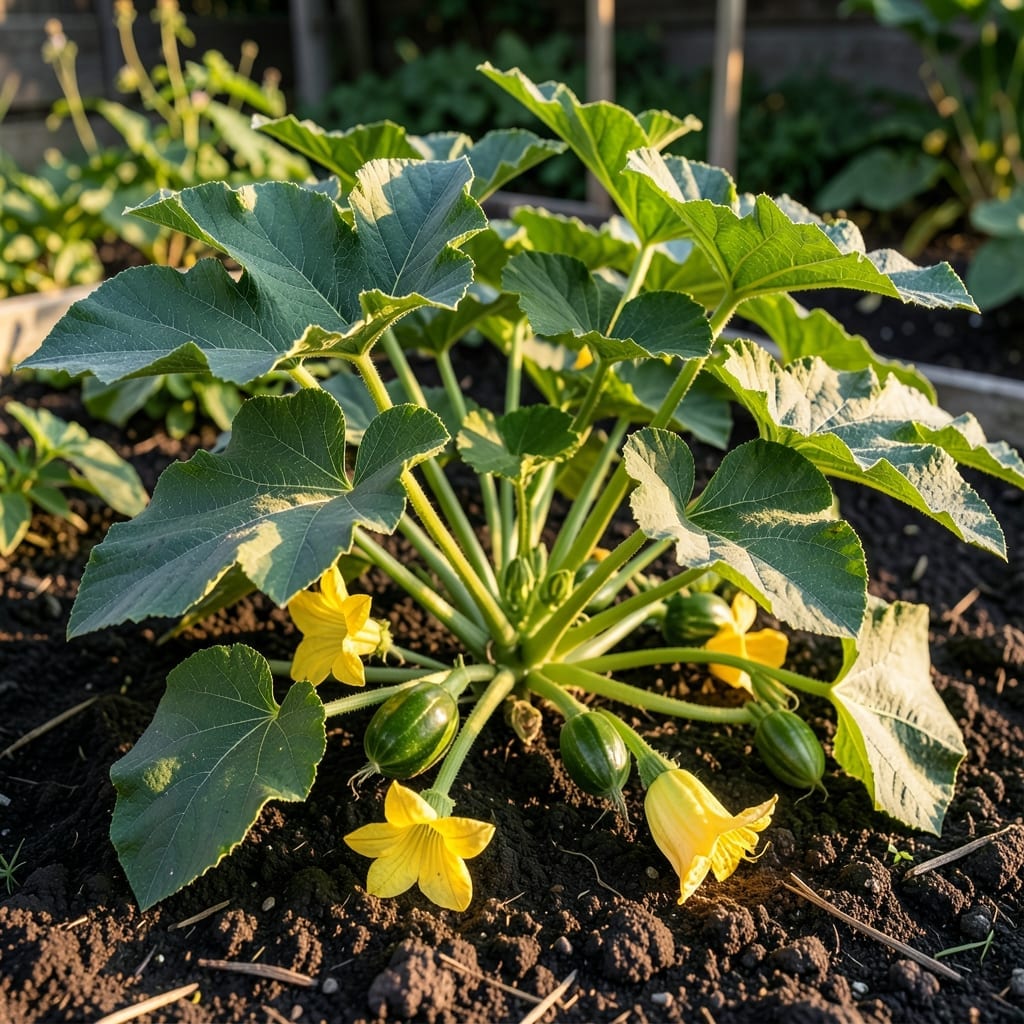
Those wide squash leaves do more than just look impressive—they’re your first line of defense against pests. I’ve learned that healthy foliage keeps bugs from reaching the fruits and stems.
With the right care, your plants will sport vibrant green leaves that shade the soil and confuse invaders. The key is watching for early signs of trouble and acting fast.
📚 In This Guide
Try this natural approach to keep your garden healthy and pest-free without harsh chemicals.
Start by locating mature, undamaged leaves from your squash vines. Choose ones that are deep green and free of spots or holes. I always inspect the undersides carefully, as pests often hide there.
Collect about 10-12 large leaves per plant for effective coverage. Use clean scissors to snip them at the stem, taking care not to damage the main vine. Early morning is ideal for harvesting when the leaves are most hydrated.
Rinse the leaves gently with water to remove any dirt or garden debris. Pat them dry with a clean towel—excess moisture can dilute the natural compounds that deter pests.
Chop the leaves into 1-inch pieces to increase their surface area. This helps release more of the protective compounds that repel common garden invaders like aphids and cucumber beetles.
Scatter the chopped leaves around the base of plants you want to protect, forming a 2-3 inch thick layer. Focus on vulnerable plants like cucumbers, melons, or other squash family members.
You can also place whole leaves directly on the soil surface near plant stems. The natural oils in squash leaves will gradually release into the air, creating an invisible shield against pests.
Check your leaf barrier every 3-4 days and replace any that have dried out or blown away. Fresh leaves work best, as their protective compounds are most potent when newly harvested.
After rain or heavy watering, add new leaves to maintain effectiveness. I find this simple method works particularly well during the peak growing season when pest pressure is highest.
Watch your plants closely for signs of pest activity. If you notice new damage, add more leaves or concentrate them around the most affected plants.
This method works best as a preventive measure, so start early in the season before pests become established. The natural approach means it’s safe for beneficial insects and won’t harm your plants or soil.
Small details that make this natural pest prevention method more effective.
Leaf Selection: In Step 1, focus on the healthiest, most vibrant leaves from your squash vines. I’ve found that leaves with even the smallest imperfections can attract pests rather than repel them, so be picky about quality.
Chopping Technique: When you chop leaves into 1-inch pieces in Step 2, use sharp scissors or a knife to make clean cuts. Ragged edges reduce the surface area that releases those pest-deterring compounds we want.
Barrier Thickness: For Step 3, don’t skimp on the 2-3 inch layer of chopped leaves. I tried using less once and noticed pests returned within days. The thicker barrier creates a stronger scent that confuses invaders.
Maintenance Tip: The 3-4 day refresh cycle in Step 4 is crucial. After testing different intervals, I confirmed that fresh leaves maintain their potency for about this long before needing replacement.
Yes! Squash vine leaves are edible and often used like grape leaves for dolmas or in salads. Young, tender leaves are best—older ones can be tough. Always wash them thoroughly to remove dirt or pests.
Harvest leaves in the morning when they’re fresh and dew-free. Pick young, small leaves (4-6 inches) for the best texture. Avoid taking too many from one plant to keep it healthy.
Alternatives include neem oil, marigold plants, or diatomaceous earth. Companion planting with basil or nasturtiums also deters pests naturally. Each has pros and cons, so test what works best for your garden!
Yellowing leaves often signal overwatering, nutrient deficiency (like nitrogen), or pest damage (e.g., squash bugs). Check soil moisture, fertilize if needed, and inspect for pests under the leaves.