
Beautiful Plants For Your Interior
Beautiful Plants For Your Interior
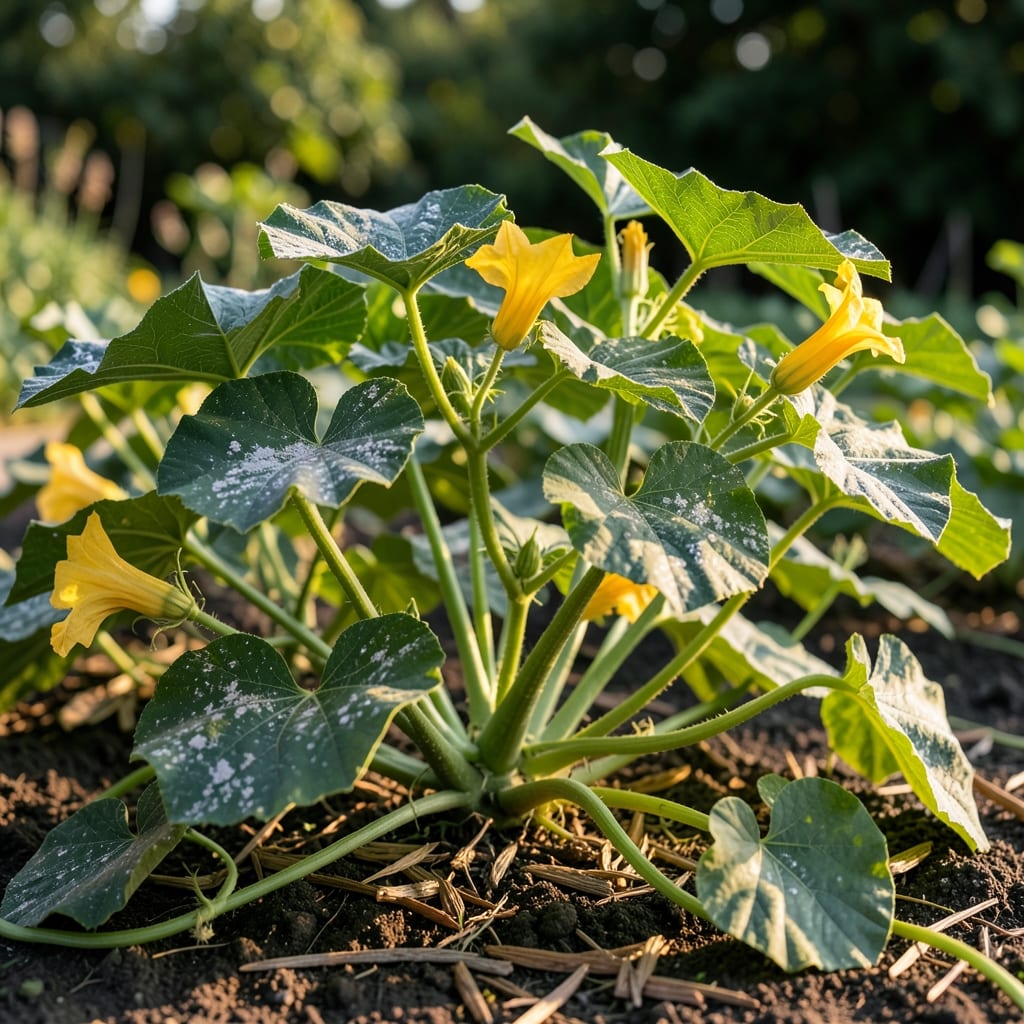
White spots on your squash leaves aren’t just unsightly—they’re a warning. I’ve lost entire plants to powdery mildew before learning how to stop it in its tracks.
The first sign is usually pale splotches on older leaves, spreading fast if ignored. Humid mornings and crowded plants make this worse, but the fix doesn’t require chemicals. A little airflow and the right spray can turn things around.
You’ll see improvement within 48 hours of treatment if you catch it early. The key is consistency—reapply after rain and keep checking new growth for telltale spots.
Prevention beats cure every time. Space plants 3 feet apart and water at the base, not the leaves. Simple changes that save your harvest.
Moldy squash leaves often result from environmental and cultural conditions that favor fungal growth. Below are the primary causes, each with actionable insights to help you address them.
Fungi thrive in damp environments. Overwatering, poor drainage, or frequent rain can create the perfect breeding ground for mold. Squash plants need consistent moisture but not waterlogged soil. Ensure your garden has proper drainage, and water at the base of the plant to keep leaves dry. Morning watering allows foliage to dry quickly in the sun.
Dense plantings or overgrown foliage restrict airflow, trapping humidity around leaves. Space squash plants at least 2–3 feet apart to promote ventilation. Prune excess leaves if needed, and avoid planting in shaded, stagnant areas. Good airflow reduces moisture buildup and discourages mold spores from settling.
Warm, humid conditions (70–85°F with high humidity) accelerate fungal growth. Squash is particularly vulnerable in these climates. Use drip irrigation instead of overhead watering to minimize leaf wetness. If humidity is unavoidable, consider fungicide sprays like neem oil or copper-based solutions as a preventive measure.
Decaying leaves, weeds, or plant debris harbor mold spores. Remove fallen leaves and rotten plant matter regularly, and avoid composting infected material near your garden. Clean garden tools with a bleach solution (1 part bleach to 9 parts water) to prevent spreading spores between plants.
Mold on squash leaves can be frustrating, but these straightforward fixes will help restore your plants to health.
Trim overcrowded leaves to allow better airflow between plants. Space squash vines at least 3–4 feet apart to reduce humidity buildup. If growing in a greenhouse or under row covers, open vents during the day to promote circulation.
Water at the base of the plant in the morning so leaves dry quickly. Avoid overhead watering, which keeps foliage damp and invites mold. Use drip irrigation or a soaker hose for precise moisture delivery. Let the top inch of soil dry out between waterings.
Mix 1 tablespoon of baking soda, 1 teaspoon of mild dish soap, and 1 gallon of water. Spray lightly on affected leaves every 5–7 days until the mold clears. Neem oil (mixed per label instructions) is another effective, organic option. Always apply in the evening to avoid leaf burn from the sun.
Mold appears as white or gray powdery spots that spread, while dust can be wiped off easily. Check for fuzzy texture or yellowing leaves—classic mold signs that dust won’t cause.
Severely damaged leaves won’t fully recover, but treatment stops the spread. New growth will emerge healthy if you address the root cause. Remove heavily infected leaves to protect the plant.
Yes, the fruit remains safe to eat if mold is only on leaves. Wash squash thoroughly before use. Avoid eating moldy leaves or stems, as these can harbor spores.
Reapply every 5-7 days or after rain, as water washes away protection. Consistency is key for preventing regrowth. Evening applications prevent leaf burn.