
Beautiful Plants For Your Interior
Beautiful Plants For Your Interior
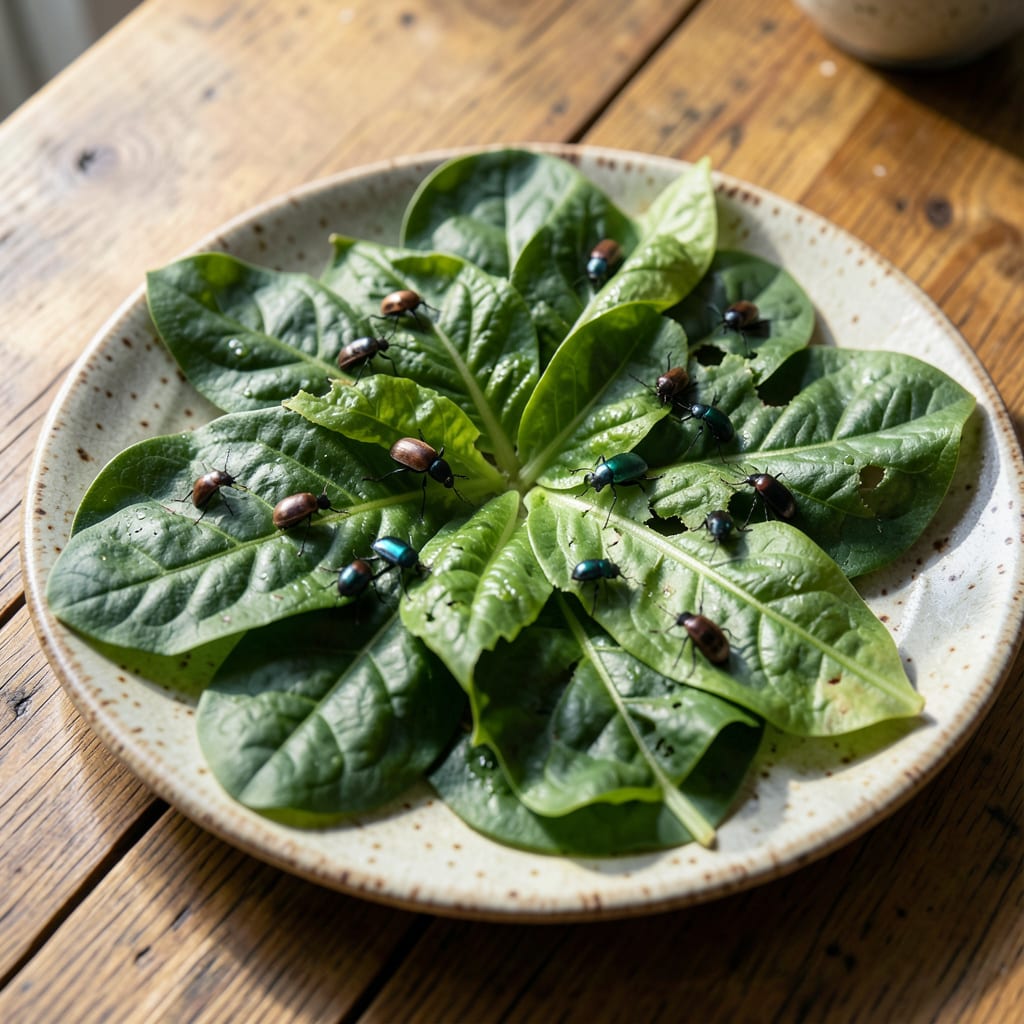
Nothing ruins a potato patch faster than watching leaves disappear overnight. I lost an entire row to Colorado potato beetles my first year—lesson learned the hard way.
These pests chew through foliage fast, but the good news is they’re predictable. Look for striped beetles, tiny larvae, or holes in leaves. Early detection means you can act before serious damage sets in.
Organic solutions like handpicking, neem oil, and companion planting work surprisingly well. I’ve kept my potatoes beetle-free for three seasons using just these methods.
Prevention is simpler than treatment. Rotate crops, use row covers, and plant repellent herbs nearby. Your spuds will thank you.
Potato leaves are a prime target for various pests due to their tender texture and nutrient-rich composition. Understanding the underlying causes helps in effective management. Below are the most common reasons why bugs feast on potato foliage.
Several insect species are naturally drawn to potato plants. Colorado potato beetles (Leptinotarsa decemlineata) are notorious for defoliating plants rapidly, as both adults and larvae feed on leaves. Similarly, aphids (Myzus persicae) pierce leaf tissues to suck out sap, weakening the plant and spreading diseases. Flea beetles (Epitrix spp.) create small, irregular holes, while hornworms (Manduca sexta) devour large sections of foliage overnight.
Stressed potato plants are more vulnerable to pest attacks. Drought conditions or overwatering weaken the plant’s natural defenses, making leaves softer and more appealing to insects. Poor soil health, lacking essential nutrients like nitrogen or potassium, can also reduce the plant’s ability to resist infestations.
In gardens where beneficial insects (e.g., ladybugs, lacewings, or parasitic wasps) are absent, pest populations can explode unchecked. Monoculture planting (growing only potatoes in a large area) eliminates biodiversity, reducing the presence of these natural pest controllers. Without predators, herbivorous bugs multiply quickly, leading to severe leaf damage.
Overuse of synthetic pesticides can disrupt the ecosystem, killing off beneficial insects while allowing resistant pests to thrive. Additionally, some chemical treatments may weaken potato plants, making them more susceptible to subsequent attacks. Organic gardens often face fewer issues because they maintain a balanced, self-regulating environment.
Tackling bugs munching on your potato leaves starts with identifying the culprit and applying targeted fixes. Here’s how to handle the most common pests and keep your plants thriving.
These tiny green or black bugs cluster on the undersides of leaves, sucking sap and spreading disease. Spray them off with a strong stream of water early in the day to avoid fungal issues. For stubborn infestations, apply insecticidal soap or neem oil every 5–7 days. Prevention tip: 💡 Encourage ladybugs and lacewings—natural predators—by planting companion flowers like marigolds or alyssum.
Adults and larvae strip leaves quickly. Handpick beetles, eggs (orange clusters on leaf undersides), and larvae into soapy water. Apply kaolin clay or spinosad (organic sprays) at dawn or dusk when beetles are active. Prevention tip: 🌱 Rotate crops yearly and cover young plants with floating row covers to block adult beetles.
These pests thrive in hot, dry conditions, causing stippled or bronze leaves. Spray plants with water to dislodge mites and increase humidity. Use horticultural oil for severe cases, but avoid applying in extreme heat. Prevention tip: 💧 Water plants at the base to reduce dust, and avoid overhead watering during peak sun.
Consistency is key—combine treatments with prevention for long-term protection!
Those are likely aphids, which cluster on leaf undersides and suck plant sap. They multiply quickly but can be controlled with a strong water spray or insecticidal soap.
Hornworms or flea beetles are probably the culprits. Hornworms eat large sections of foliage, while flea beetles create small, irregular holes. Check leaves at dusk or dawn to spot them.
Yes! Plant companion flowers like marigolds, use floating row covers, and maintain healthy soil. Ladybugs and lacewings also help control pest populations naturally.
Check leaves, especially undersides, at least once a week. Early detection makes treatment much easier and prevents severe damage.
