
Beautiful Plants For Your Interior
Beautiful Plants For Your Interior
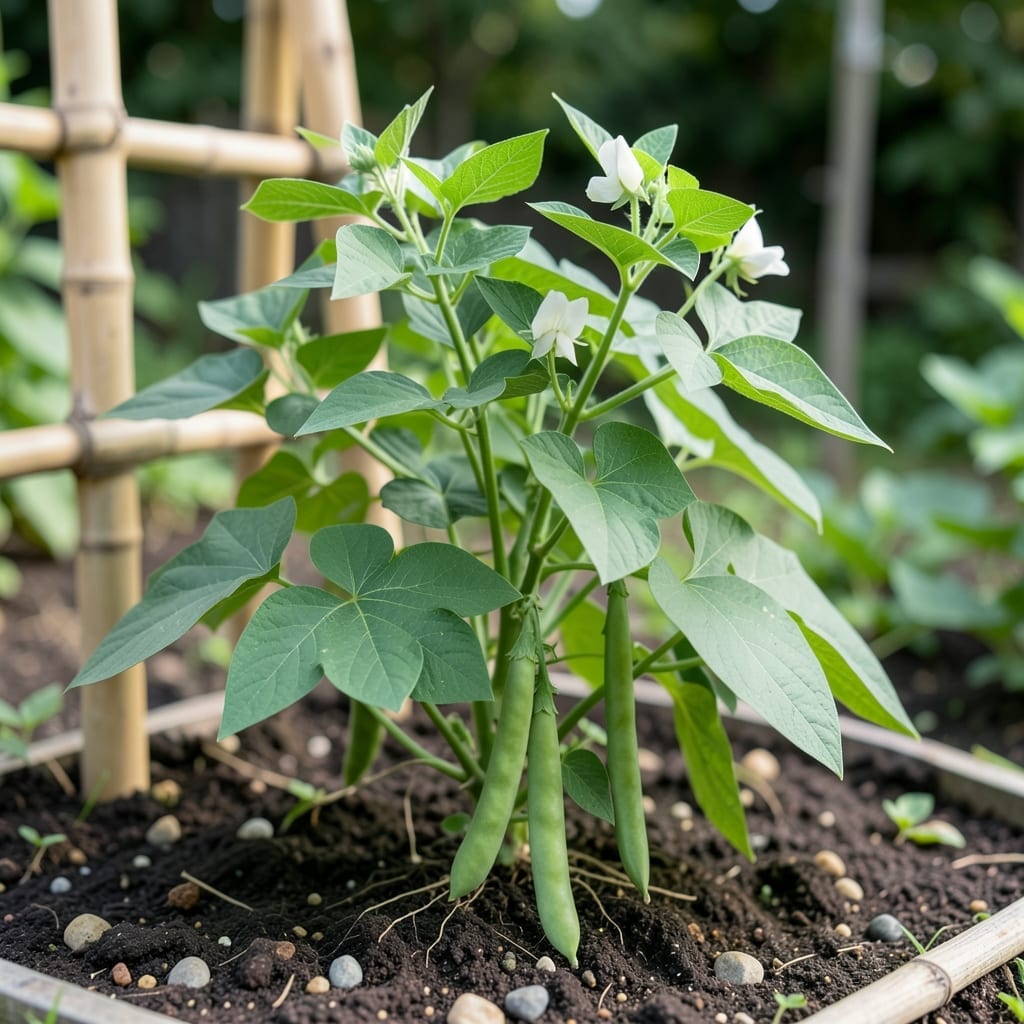
Yellow spots on my string bean leaves last season sent me down a rabbit hole of diagnosis. Turns out most issues are fixable with a sharp eye and quick action.
I learned to look for curled edges, brown patches, or sticky residue—each tells a different story. Organic treatments like neem oil or compost tea usually do the trick without harsh chemicals.
📚 In This Guide
Here’s my trusted approach to diagnosing leaf problems and restoring plant health naturally.
Begin by examining both the upper and lower surfaces of the leaves under good light. Look for discoloration like yellowing between veins or brown spots with halos, which often signal nutrient deficiencies or fungal infections. I use a hand lens to spot tiny details like webbing from spider mites or the stippling pattern caused by their feeding.
Check leaf texture too. Sticky residue suggests aphid infestation, while dry, crisp edges often indicate underwatering or salt burn from fertilizer. Note which leaves show symptoms first—the oldest leaves typically reveal nitrogen deficiency, while new growth problems often point to micronutrient issues.
Match your observations to common bean leaf problems. Yellow leaves with green veins usually mean iron deficiency, especially in alkaline soils. White powdery coating on surfaces is powdery mildew, which thrives in humid conditions with poor air circulation. I’ve found that rust-colored pustules on undersides are a sure sign of bean rust fungus.
Consider environmental factors. Wilting leaves during the hottest part of the day might just be heat stress, but if they don’t recover by evening, you’re likely dealing with root issues. Holes in leaves could be from Japanese beetles or slugs—check for the pests themselves or their slime trails.
For fungal issues like powdery mildew or rust, apply a baking soda spray (1 tablespoon baking soda, 1 teaspoon dish soap, 1 gallon water) every 7-10 days until symptoms disappear. I’ve had excellent results with this for mild cases. For severe infections, remove and destroy affected leaves to prevent spread—don’t compost them.
Against pests, a neem oil solution (2 tablespoons neem oil, 1 teaspoon dish soap, 1 gallon water) works well for aphids, mites, and beetles. Spray in the early morning or late evening to avoid burning leaves, and reapply after rain. For slugs, set out beer traps or sprinkle food-grade diatomaceous earth around plants when leaves are dry.
Prevent future issues by improving growing conditions. Ensure plants receive full sun (at least 6-8 hours daily) and have good air circulation. I space my bean plants 4-6 inches apart in rows 18-24 inches apart to allow airflow. Water at the base of plants in the morning so leaves stay dry, which discourages fungal growth.
Maintain consistent moisture—beans need about 1 inch of water weekly, more during flowering and pod formation. Mulch with 2-3 inches of organic matter to retain soil moisture and suppress weeds. I’ve found straw works particularly well for beans, as it doesn’t compact and allows good drainage.
Check plants daily for new symptoms or pest activity, especially after rain or when temperatures fluctuate. Early intervention is key with bean issues. I keep a garden journal to track when problems appear and which treatments work best—this helps me anticipate and prevent issues in future seasons.
After treatment, give plants 2-3 weeks to recover before assessing if additional action is needed. Healthy bean leaves should be deep green, firm to the touch, and free of spots or holes. If you’ve addressed the underlying cause, you should see new growth emerging that looks normal and vibrant.
Here are some practical insights I’ve gathered through trial and error to help you diagnose and treat leaf issues effectively.
Inspection Technique: In Step 1, using a hand lens is a game-changer. It helps you spot early signs like spider mite webbing or the subtle stippling pattern on leaves, which are easy to miss with the naked eye. I always carry one in my gardening toolkit for this exact reason.
Treatment Timing: For the baking soda and neem oil sprays in Step 3, consistency is key. Apply the baking soda spray every 7-10 days as directed, and reapply neem oil after rain to ensure continuous protection. Skipping applications can allow problems to worsen.
Cultural Practice Tip: In Step 4, spacing your bean plants 4-6 inches apart in rows 18-24 inches apart isn’t just about organization—it’s critical for airflow, which helps prevent fungal issues like powdery mildew. I learned this the hard way after losing a few plants to poor circulation.
Recovery Monitoring: After treatment in Step 5, give your plants the full 2-3 weeks to recover before deciding if more action is needed. Healthy leaves should be deep green and firm, and new growth is the best sign that your efforts are working.
Yellowing leaves often indicate overwatering, nutrient deficiency, or pests. Check soil moisture, ensure proper drainage, and test for nitrogen or iron shortages. If pests are present, use organic treatments like neem oil.
Act at the first sign of damage—holes, spots, or visible insects. Early morning or late evening is ideal for spraying organic pesticides to avoid harming beneficial pollinators. Consistency is key for prevention!
Yes! A garlic or chili pepper spray can deter pests naturally. For fungal issues, a baking soda solution (1 tbsp per gallon of water) works well. Always test on a small area first.
Rotate crops yearly, space plants for airflow, and avoid overhead watering. Remove infected leaves promptly and mulch to reduce soil-borne spores. Healthy soil equals resilient plants!