
Beautiful Plants For Your Interior
Beautiful Plants For Your Interior
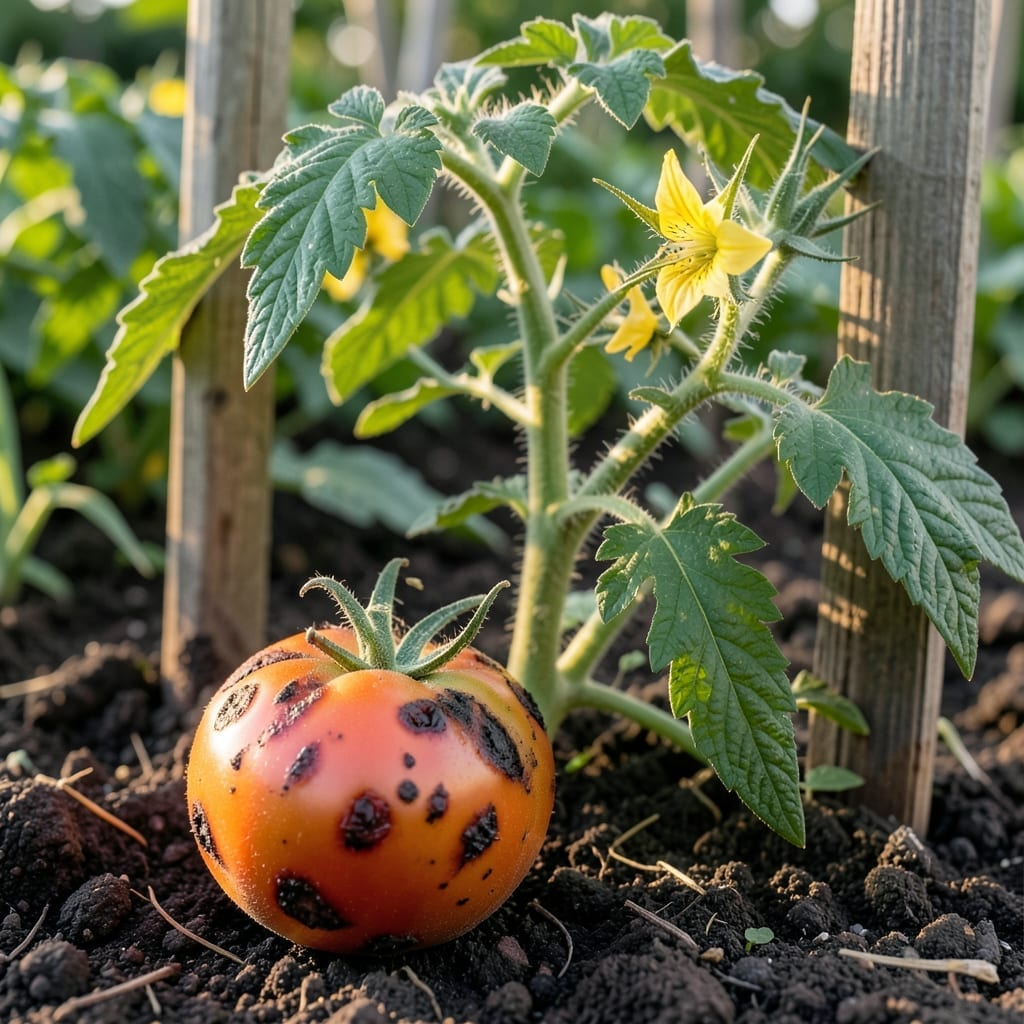
Spotted mushy brown patches on your tomatoes overnight? That’s soft rot, and it spreads fast in warm, wet conditions. I lost half my crop to this once—never again.
Catching it early saves your plants. Look for sunken spots, foul odors, or water-soaked lesions. Simple fixes like removing affected fruit and improving airflow can stop it in its tracks.
📚 In This Guide
This method protects your plants while keeping them productive and thriving through the season.
Soft rot typically appears as water-soaked spots on fruit, often near the stem or blossom end. These spots quickly turn mushy and brown, emitting a foul odor as the tissue breaks down. I check plants daily during humid weather, as the disease progresses rapidly in warm, wet conditions.
Look for sunken, discolored areas on tomatoes that feel soft to the touch. Unlike other diseases, soft rot causes fruit to collapse entirely within 24-48 hours of initial symptoms. Early detection is critical—once the rot spreads, the fruit is unsalvageable.
Remove any infected fruit immediately and dispose of it in the trash—not the compost pile, as the bacteria can persist. I use clean pruners and sanitize them with rubbing alcohol between cuts to prevent spreading the pathogen to healthy plants.
Avoid overhead watering, as moisture on leaves and fruit creates ideal conditions for bacterial growth. Water at the base of plants in the morning so foliage dries quickly. Proper air circulation is essential; space plants 18-24 inches apart to reduce humidity buildup around the fruit.
Rotate crops annually to prevent bacterial buildup in the soil. I avoid planting tomatoes or other solanaceous crops in the same spot for at least 3 years. Mulching with straw or shredded leaves keeps fruit off the soil, reducing contact with bacteria splashed up from the ground.
Apply a copper-based bactericide as a protective spray according to label instructions. Begin applications at the first sign of disease or as a preventive measure during periods of high humidity. Reapply after rain or every 7-10 days for continuous protection.
Monitor plants regularly, especially after rain or irrigation. I pay close attention to fruit touching the soil or crowded clusters where moisture lingers. Remove any fruit with minor blemishes or cracks, as these provide entry points for bacteria.
Harvest tomatoes at the breaker stage (when they begin to change color) if wet weather is forecasted. Ripen them indoors to prevent exposure to conditions that favor soft rot development. This simple step can save an entire crop during problematic weather.
Preventing soft rot comes down to vigilance and smart gardening practices.
Early Detection: In Step 1, those 24-48 hours are critical—check plants daily during humid spells. I learned the hard way that sunken, water-soaked spots near the stem are your first warning sign. Don’t wait for the foul odor; by then, it’s too late.
Sanitation Strategy: Step 2’s advice about using rubbing alcohol between cuts isn’t just a suggestion. I keep a spray bottle of it near my pruners at all times. Bacteria spreads faster than you think, and one contaminated cut can doom your entire crop.
Preventive Spacing: The 18-24 inches apart rule in Step 2 isn’t arbitrary. Crowded plants trap moisture, creating the perfect breeding ground for soft rot. I use a measuring stick when planting to ensure proper airflow—it’s a game-changer.
Harvest Timing: Step 4’s tip about harvesting at the breaker stage saved my crop last season. When wet weather is forecasted, don’t hesitate. Ripening indoors works just as well, and it’s far better than losing tomatoes to rot.
Soft rot in tomatoes is primarily caused by bacterial pathogens like Pectobacterium or Dickeya. These bacteria thrive in warm, wet conditions, entering plants through wounds or damaged tissue. Poor air circulation and overwatering can also contribute to its spread.
Prevent soft rot by practicing crop rotation, avoiding overhead watering, and ensuring proper drainage. Remove infected plants immediately, sanitize tools, and maintain good airflow around plants. Using disease-resistant tomato varieties can also help.
Early signs include water-soaked spots on leaves or stems, followed by soft, mushy lesions. Infected areas may darken and emit a foul odor. Fruit may develop sunken, watery spots that quickly decay.
Once a plant shows severe symptoms, it’s best to remove and destroy it to prevent spreading. Early cases may be manageable by pruning affected parts and applying copper-based bactericides, but success isn’t guaranteed.
Yes! Organic options include neem oil, compost tea, or copper sprays (approved for organic use). Improving soil health with compost and avoiding excessive nitrogen can also reduce susceptibility.