
Beautiful Plants For Your Interior
Beautiful Plants For Your Interior
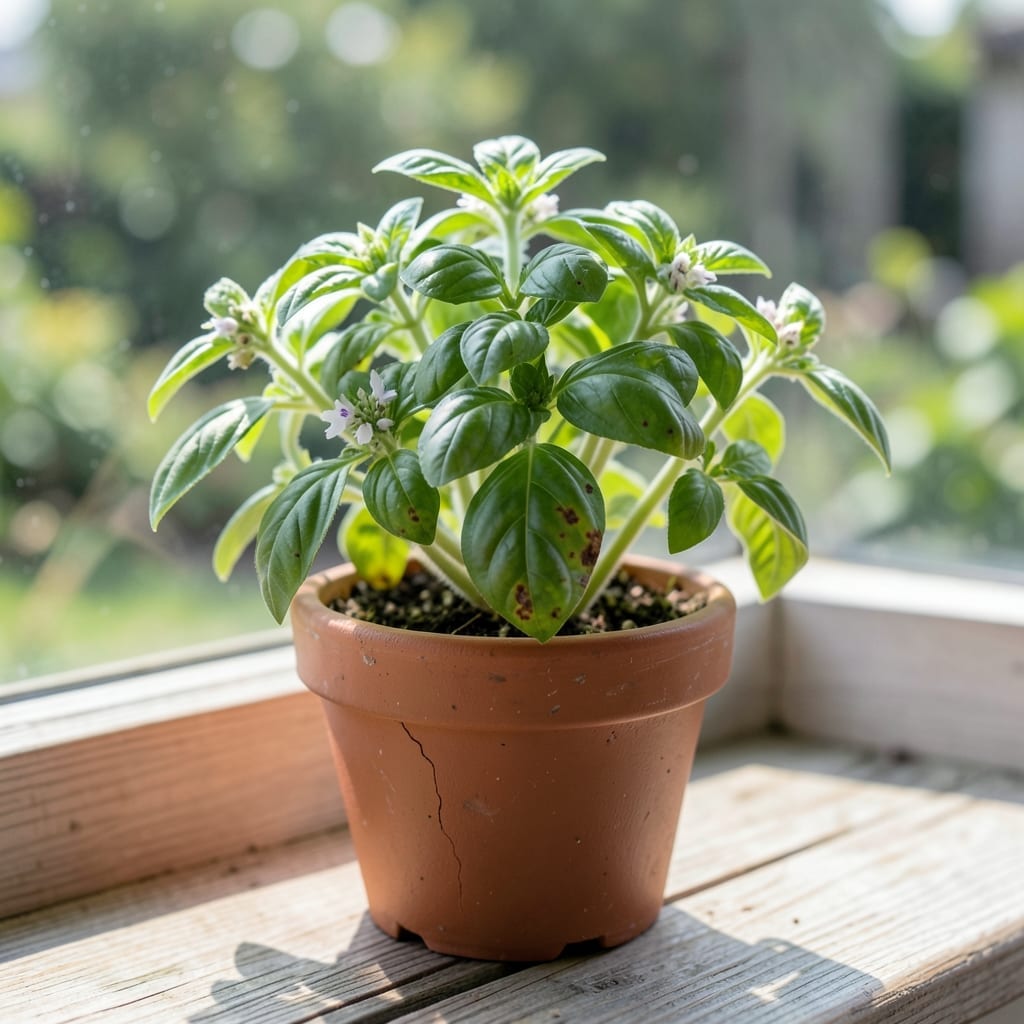
Those brown spots on your basil leaves aren’t just ugly—they’re a red flag. I’ve seen this exact pattern before, and it usually means trouble is brewing beneath the surface.
Most times, it’s a fungal issue like downy mildew or leaf spot, but overwatering, poor air flow, or even too much sun can cause the same damage. The key is acting fast before it spreads to the whole plant.
With the right fix—usually better spacing, morning watering, or a natural fungicide—your basil can bounce back in 1-2 weeks. The leaves will stop yellowing, and new growth stays clean.
Works for potted plants, garden beds, and windowsill herbs. Here’s how to diagnose and treat it for good.
Brown spots on basil leaves are often a sign of underlying stress or disease, and pinpointing the cause is key to saving your plant. Here are the most common culprits:
Fungi like Cercospora or Alternaria thrive in wet, humid conditions. These pathogens produce spores that land on leaves, germinate, and create circular or irregular brown spots with darker edges. Overhead watering or poor air circulation accelerates their spread.
Basil roots need oxygen, and soggy soil suffocates them. This stress weakens the plant, making it susceptible to root rot. As roots die, they can’t deliver nutrients, causing leaves to develop brown, necrotic spots—often starting at the tips or edges.
Extreme temperatures, sudden cold drafts, or excessive sun can scorch basil leaves, leading to dry, brown patches. Basil thrives in 70–85°F (21–29°C) with consistent moisture. Heat stress may also trigger leaf drop or wilting alongside discoloration.
Pests like aphids, spider mites, or thrips pierce leaf tissues to feed, creating small wounds. These entry points can turn brown as the tissue dies. In severe cases, the damage appears as widespread speckling or yellowing with brown centers.
Here’s how to tackle each common cause of brown spots on your basil leaves, with simple fixes and prevention tips to keep your plant thriving.
Fix: Remove infected leaves immediately to stop the spread. Treat the plant with a copper-based fungicide or a homemade mix of 1 tsp baking soda + 1 quart water + a few drops of dish soap. Spray every 5–7 days until spots disappear.
Prevent: 💡 Improve airflow around the plant, avoid overhead watering, and water in the morning so leaves dry quickly. Space plants 12–18 inches apart.
Fix: Let the soil dry out slightly between waterings. If the pot lacks drainage, repot into a container with holes and use well-draining soil (mix in perlite or sand). Trim any blackened, mushy roots.
Prevent: ✨ Stick your finger 1 inch into the soil—only water if it feels dry. Use a pot with drainage holes and a saucer to catch excess.
Fix: Move the plant to a spot with bright, indirect light (e.g., east-facing window or under a sheer curtain). If outdoor, provide afternoon shade. Trim severely damaged leaves to redirect energy.
Prevent: 🌡️ Acclimate basil gradually to direct sun (start with 2–3 hours/day). Keep indoor plants 6–12 inches from grow lights.
Fix: Wipe leaves with a damp cloth or spray with neem oil (1 tbsp oil + 1 tsp dish soap + 1 quart water). Repeat every 3–4 days for 2 weeks. For severe infestations, use insecticidal soap.
Prevent: 🎯 Inspect new plants before bringing them indoors. Keep the area clean and free of debris where pests hide.
Fix: Flush the soil with water to remove excess salts if over-fertilized. For deficiencies, use a balanced, water-soluble fertilizer (10-10-10) at half strength every 4–6 weeks.
Prevent: 💡 Fertilize lightly—basil prefers lean soil. Test soil pH (aim for 6.0–7.0) and amend if needed.
Yes, soggy soil suffocates roots, leading to brown spots on leaves. Always let the top 1 inch of soil dry between waterings. Use pots with drainage holes.
Fungal spots often have dark edges or a powdery texture. They spread quickly in humid conditions. Check for yellow halos around the brown areas.
Remove damaged leaves immediately to prevent spread. Use clean scissors and dispose of leaves away from the plant.
If most leaves are brown, trim back to healthy growth. Ensure good airflow, proper watering, and bright indirect light for recovery.