
Beautiful Plants For Your Interior
Beautiful Plants For Your Interior
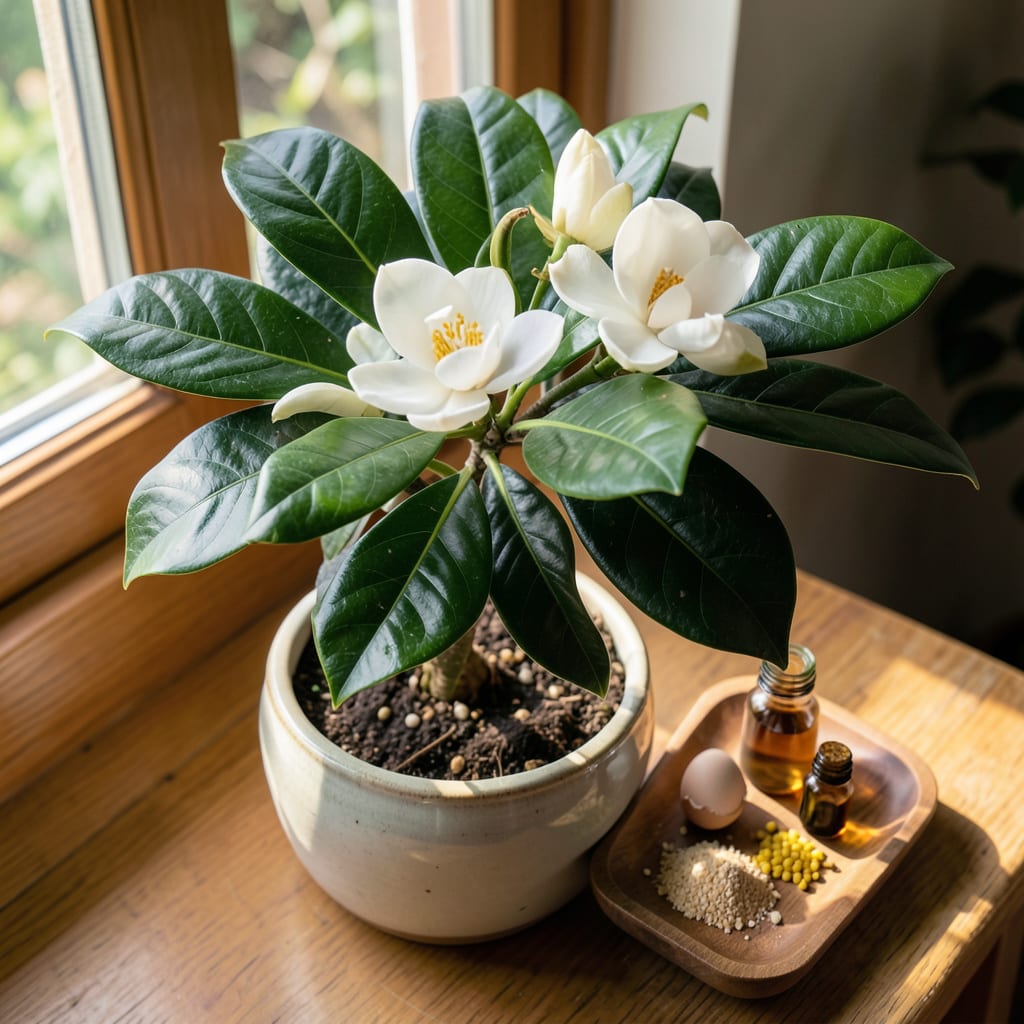
Yellow leaves on gardenias always signal a problem, but it’s usually an easy fix. I’ve nursed dozens back to health by focusing on what these plants actually need.
Most often, it’s iron deficiency from soil that’s too alkaline. Gardenias demand acidic soil—pH between 5.0 and 6.0. Without it, they can’t absorb nutrients, no matter how much you feed them.
Overwatering or poor drainage causes the same yellowing, creating root rot that chokes the plant. Check the roots: healthy ones are white; rotten ones are brown and mushy.
The good news? With the right soil adjustments and watering routine, you’ll see new green growth within 2-3 weeks. Here’s how to diagnose and fix it for good.
Yellowing leaves on gardenias often signal an underlying issue. Here are the most common causes, explained simply:
Gardenia leaves turn yellow when essential nutrients like iron, magnesium, or nitrogen are lacking. Iron deficiency, in particular, causes interveinal chlorosis—yellowing between leaf veins—due to alkaline soil (pH > 7) locking out iron uptake. A soil test can confirm imbalances.
Excess water suffocates roots, preventing oxygen absorption and leading to root rot. Soggy soil also disrupts nutrient uptake, causing yellow, wilting leaves. Gardenias prefer moist but well-draining, acidic soil (pH 5–6.5).
Too little light weakens chlorophyll production, resulting in pale or yellow leaves. Conversely, sudden temperature drops or drafts shock the plant, triggering leaf discoloration. Gardenias thrive in bright, indirect light and stable temperatures (65–75°F).
Sap-sucking pests like spider mites, aphids, or scale drain nutrients from leaves, causing yellow spots or widespread discoloration. Check leaf undersides for webbing or sticky residue (honeydew) as telltale signs.
Here’s how to tackle each common cause of yellowing gardenia leaves, with simple fixes and prevention tips to keep your plant thriving.
Test your soil with a pH kit—gardenias need acidic soil (pH 5.0–6.0). If it’s too alkaline, amend with sulfur or peat moss. For quick fixes, water with a vinegar solution (1 tbsp white vinegar per gallon of water) occasionally. Prevention tip: 💡 Use acidic fertilizer regularly to maintain pH.
Let the top inch of soil dry before watering again. Ensure pots have drainage holes and use well-draining soil. If roots are waterlogged, trim brown roots and repot in fresh mix. Prevention tip: ✨ Water deeply but less often, and avoid saucers that trap water.
Yellow leaves with green veins? Likely iron deficiency. Apply chelated iron or an iron-rich fertilizer. For general yellowing, use a balanced, acid-loving plant fertilizer monthly in growing season. Prevention tip: 🎯 Feed with a slow-release fertilizer to avoid nutrient spikes.
Check undersides of leaves for spider mites, aphids, or scale. Spray with neem oil or insecticidal soap weekly until pests are gone. Prevention tip: 🌡️ Keep humidity high (gardenias love 50–60%) to deter pests.
Move gardenias to bright, indirect light. Too much direct sun scorches leaves; too little weakens the plant. Prevention tip: 🔥 Rotate pots quarterly for even light distribution.
Test soil pH every 2-3 months or if leaves start yellowing. Gardenias need acidic soil, so regular checks prevent nutrient lockout. Use a simple pH kit for accurate results.
Yes! Mix used coffee grounds into soil or compost. They add acidity and organic matter. Use sparingly—too much can over-acidify. Combine with peat moss for best results.
Water when the top 1 inch of soil feels dry. Typically, this means every 5-7 days in moderate conditions. Always use well-draining pots to avoid root rot.
If soil pH is too high, plants can’t absorb nutrients. Test pH first—adjust to 5.0-6.0 before adding more fertilizer. Iron chelates work best for quick correction.
