
Beautiful Plants For Your Interior
Beautiful Plants For Your Interior
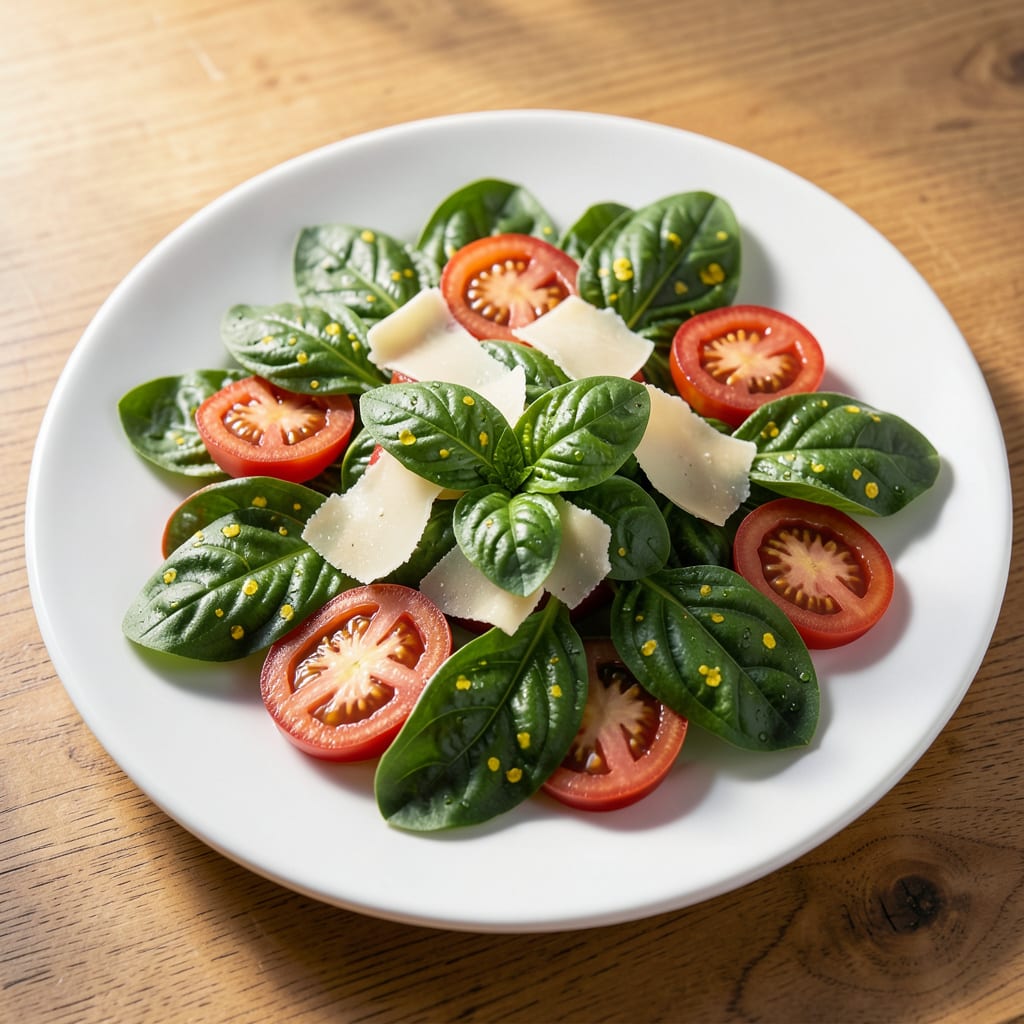
Yellow spots on basil leaves hit me hard last summer. 🌿 I watched my thriving plants turn patchy overnight, and the frustration was real.
Turns out, it’s usually one of three culprits: too much water, not enough light, or a fungal party crashing on your leaves. Each leaves its own signature pattern.
Here’s the thing—you can fix this. I recovered my entire crop with a few simple adjustments to watering, airflow, and sunlight.
By next week, you’ll see new growth replacing those yellow spots, and your basil will be back to its vibrant green self. Let’s troubleshoot this together.
Yellow spots on basil leaves are a distress signal, and understanding the root causes can help you fix the issue quickly. Here are the most common culprits:
Fungi like Downy Mildew (Peronospora belbahrii) thrive in humid, poorly ventilated environments. These pathogens infect the leaves, disrupting chlorophyll production and creating yellow patches. Look for fuzzy growth on the undersides of leaves—this is a telltale sign. Overhead watering and crowded plants worsen the problem by keeping foliage wet.
A lack of essential nutrients, particularly magnesium or iron, can manifest as yellow spots. Magnesium deficiency often starts with interveinal chlorosis (yellowing between veins), while iron deficiency causes uniform yellowing of younger leaves. Poor soil quality or imbalanced pH (below 6.0) can block nutrient uptake, even if the nutrients are present.
Excess moisture suffocates basil roots, leading to root rot and impaired nutrient absorption. Yellow spots appear as the plant struggles to transport water and minerals. Check your soil—if it’s soggy or smells foul, drainage is likely the issue. Basil prefers moist but well-draining soil.
Sap-sucking pests like aphids or spider mites leave behind yellow stippling or spots as they feed. Their piercing mouthparts damage leaf cells, and their honeydew residue can promote sooty mold growth. Inspect the undersides of leaves for tiny insects or webbing.
Too much direct sunlight (especially in hot climates) can scorch basil leaves, causing yellow or brown patches. Conversely, insufficient light weakens the plant, leading to pale or yellowed foliage. Aim for 6–8 hours of morning sun and partial afternoon shade in extreme heat.
Addressing yellow spots on basil leaves starts with pinpointing the cause. Here’s a targeted approach to revive your plant:
If the spots are small, yellow, and spreading, a fungicide is your best bet. Use a copper-based fungicide or a homemade mix of 1 tsp baking soda + 1 quart water + a few drops of dish soap. Spray evenly on both sides of the leaves, focusing on affected areas. Repeat every 5–7 days until the spots fade. Prevention tip: 💡 Improve airflow around plants and avoid overhead watering to keep leaves dry.
Yellowing between leaf veins often signals a magnesium or iron deficiency. Use a balanced, water-soluble fertilizer (10-10-10 or 20-20-20) and supplement with Epsom salt (1 tbsp per gallon of water) for magnesium. For iron, a chelated iron foliar spray works quickly. Prevention tip: ✨ Test soil pH (ideal: 6.0–7.0) and amend with compost for long-term nutrient balance.
Overwatering or underwatering can both cause yellow spots. Check soil moisture by sticking your finger 1 inch deep—if it’s bone-dry, water thoroughly; if soggy, let it dry out. Ensure pots have drainage holes to prevent root rot. Prevention tip: 🎯 Water at the base in the morning, and use a well-draining potting mix.
Tiny yellow spots with webbing or sticky residue? Spider mites or aphids may be to blame. Wipe leaves with a neem oil solution (1 tbsp neem oil + 1 tsp dish soap + 1 quart water) or spray with insecticidal soap. Repeat every 3–4 days until pests are gone. Prevention tip: 🌡️ Keep humidity moderate and inspect new plants before bringing them near your basil.
Yes! Overwatering leads to root rot, which blocks nutrient uptake. Yellow spots appear as the plant struggles. Check soil moisture 1 inch deep—if soggy, let it dry before watering again.
Look for fuzzy growth on leaf undersides or spreading yellow patches. Fungi thrive in humidity, so improve airflow and avoid overhead watering. A copper-based fungicide can help.
Use a balanced fertilizer (10-10-10) and add Epsom salt (1 tbsp per gallon) for magnesium. For iron, try a chelated foliar spray. Test soil pH to prevent future issues.
Not always. Check undersides for tiny insects or webbing. A neem oil solution (1 tbsp per quart) works well. Repeat every 3-4 days until pests are gone.
