
Beautiful Plants For Your Interior
Beautiful Plants For Your Interior
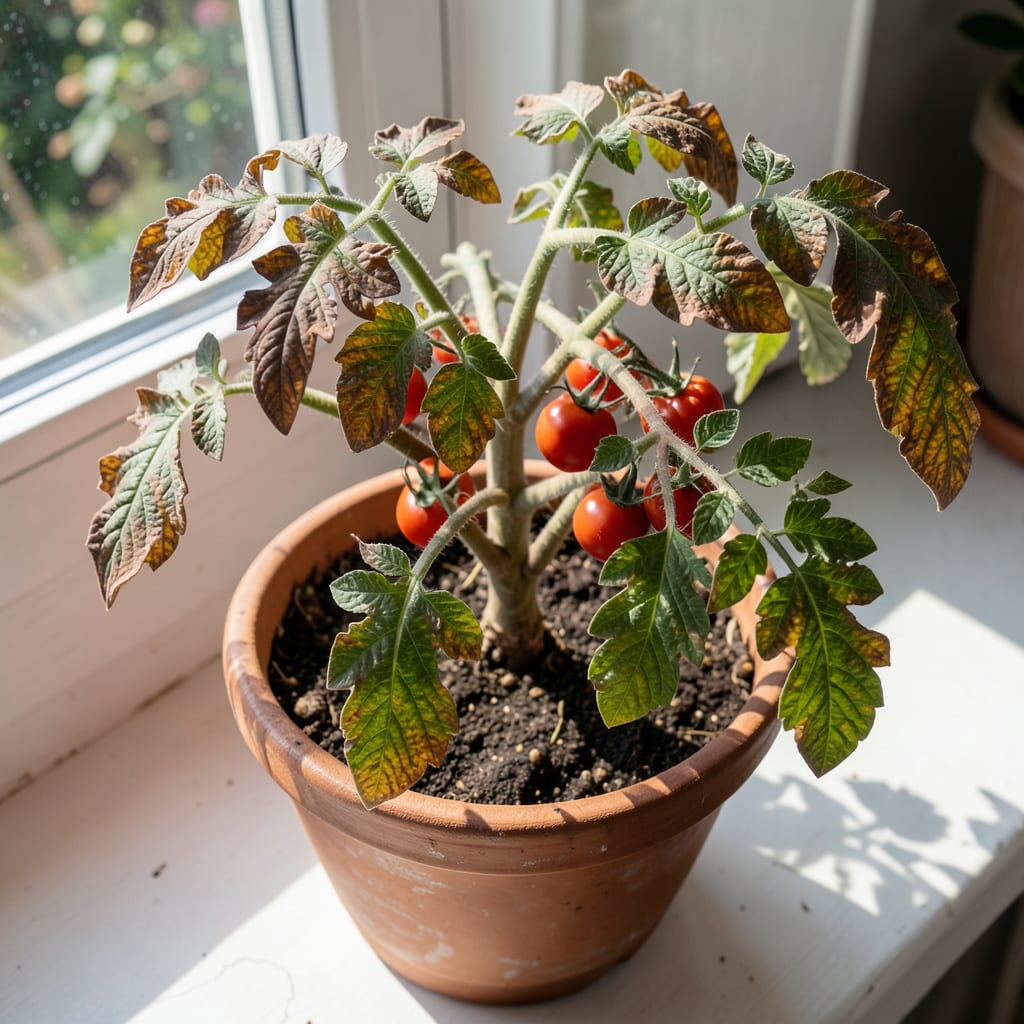
Brown leaves on your tomato plants aren’t just unsightly—they’re a cry for help. I’ve seen healthy vines turn crispy overnight, and the fix always starts with pinpointing the exact cause.
It could be underwatering, overwatering, or even a sneaky fungal infection. Each leaves a distinct pattern: dry edges, yellowing between veins, or dark spots with halos. The sooner you identify it, the better your chances.
Most brown leaf problems are reversible with the right adjustments. I rescued a near-dead plant last season by tweaking its watering schedule and adding a simple fungicide spray. Within 10 days, new green growth appeared.
Don’t panic—this isn’t the end. With a close look and quick action, your tomatoes can bounce back stronger than ever.
Brown leaves on tomato plants can signal several underlying issues, often tied to environmental stress or diseases. Here’s a breakdown of the most common causes:
Tomatoes are particular about water. Overwatering suffocates roots, preventing oxygen uptake and leading to root rot, which manifests as brown, wilted leaves. Conversely, underwatering causes dehydration, turning leaves crispy and brown at the edges. Aim for consistent soil moisture—1-2 inches of water per week—and ensure proper drainage.
Tomatoes thrive in 70-85°F (21-29°C) ranges. Exposure to frost or heatwaves above 90°F (32°C) stresses the plant, disrupting chlorophyll production. Heat stress often causes leaf scorch—brown, papery edges—while cold damage leads to blackened or mushy brown patches.
Pathogens like Early Blight (Alternaria solani) or Septoria Leaf Spot create circular brown spots with concentric rings. These thrive in humid, wet conditions. Bacterial speck or spot (Pseudomonas syringae) causes small, dark brown lesions. Prevent spread by removing infected leaves, improving airflow, and avoiding overhead watering.
A lack of magnesium (interveinal chlorosis turning brown) or potassium (leaf edges browning, aka “scorch”) often triggers discoloration. Test soil pH (ideal: 6.0-6.8); imbalances can lock out nutrients. Amend with compost or targeted fertilizers (e.g., Epsom salt for magnesium).
Sap-sucking pests like spider mites or whiteflies cause stippling (tiny brown specks) as they drain plant fluids. Severe infestations lead to widespread browning. Inspect leaf undersides and treat with neem oil or insecticidal soap at first signs.
Once you’ve identified why your tomato plant’s leaves are browning, these targeted fixes can bring it back to health.
Let the soil dry out slightly between waterings. Fix: Check moisture by sticking your finger 1-2 inches into the soil—if it’s damp, wait. Ensure pots have drainage holes, or amend garden soil with compost to improve drainage. Prevention tip: Use a moisture meter 💡 to avoid guesswork.
Tomatoes need consistent moisture, especially in hot weather. Fix: Water deeply at the base in the early morning to reduce evaporation. Mulch around plants to retain moisture. Prevention tip: Install drip irrigation ✨ for steady hydration.
Remove infected leaves immediately to prevent spread. Fix: Apply a copper-based fungicide or a homemade mix of water and baking soda (1 tsp per quart). Improve airflow by pruning dense foliage. Prevention tip: Avoid overhead watering and space plants properly 🎯 to reduce humidity.
Inspect leaves for pests like aphids or spider mites. Fix: Spray with neem oil or insecticidal soap, focusing on the undersides of leaves. For severe cases, introduce beneficial insects like ladybugs. Prevention tip: Regularly check plants 🔍 and keep the garden free of debris.
Yellowing or browning leaves may signal a lack of nitrogen, potassium, or magnesium. Fix: Use a balanced fertilizer or add compost to the soil. For magnesium, try Epsom salt (1 tbsp per gallon of water) as a foliar spray. Prevention tip: Test soil annually 🌱 to catch deficiencies early.
Once leaves turn brown, they won’t recover. Focus on fixing the underlying issue to protect healthy foliage. New green growth will appear within 1-2 weeks if conditions improve.
Yes, prune brown or diseased leaves right away. This prevents the spread of fungi or bacteria and redirects energy to healthy parts. Use clean shears to avoid contamination.
Water deeply 2-3 times per week, providing 1-2 inches total. Adjust based on weather—daily in extreme heat, less in cool periods. Always water at the base.
Space plants 2-3 feet apart for airflow. Water early in the day so leaves dry quickly. Apply a copper fungicide preventatively every 2 weeks.
