
Beautiful Plants For Your Interior
Beautiful Plants For Your Interior
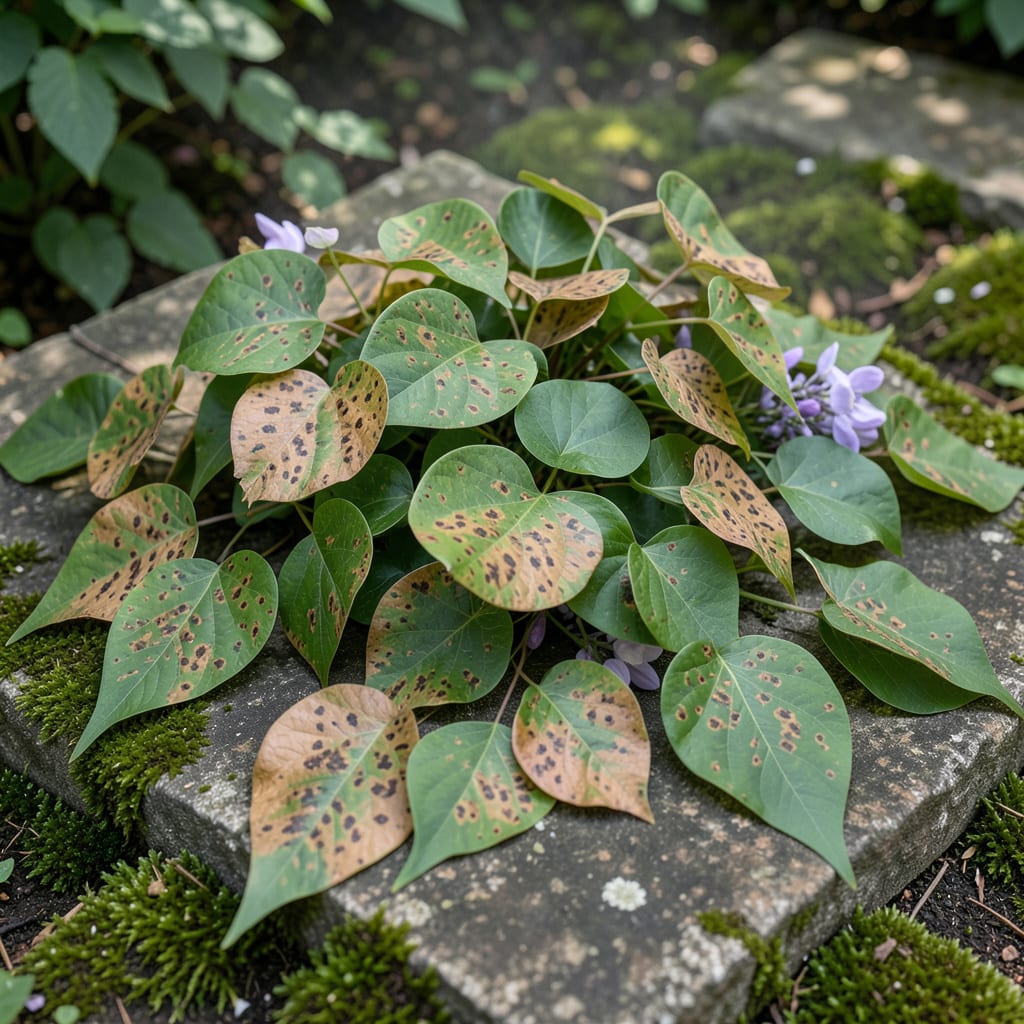
Brown spots on wisteria leaves always signal trouble. I’ve seen this issue turn a thriving vine into a stressed, unsightly mess within weeks if left unchecked.
The culprits are usually fungal infections, pest damage, or environmental stress like poor drainage or extreme heat. Early diagnosis is key—catch it fast, and you can treat it with organic remedies before it spreads.
Simple fixes like improving airflow, adjusting watering, or applying neem oil often solve the problem. You’ll see recovery within 2-3 weeks if you act quickly.
Works for established vines and new plantings alike. Let’s figure out what’s causing those spots and how to stop them.
Brown spots on wisteria leaves are a red flag that something’s disrupting your plant’s health. Below are the most common causes, explained with science-backed clarity so you can act fast.
Fungi like Cercospora or Phyllosticta thrive in warm, humid conditions, infecting leaves through spores. These pathogens break down cell walls, creating tan to dark brown spots with yellow halos. Overhead watering or poor air circulation accelerates their spread.
Pseudomonas or Xanthomonas bacteria enter through wounds or stomata (leaf pores), multiplying in wet conditions. They produce enzymes that kill tissue, forming water-soaked, irregular brown spots that may merge into blighted patches.
Sap-sucking pests like aphids or spider mites pierce leaf cells, causing stippling or necrotic spots. Their feeding stress weakens the plant, while honeydew (a sticky byproduct) fosters sooty mold, which can darken existing spots.
Extreme heat, drought, or nutrient deficiencies (e.g., potassium or magnesium) disrupt photosynthesis. Stressed leaves develop scorched, crispy brown margins or interveinal spots as cells die from moisture loss or metabolic imbalance.
Overuse of fertilizers or herbicides can cause chemical phytotoxicity, manifesting as sudden brown spotting. High salt concentrations in soil draw water out of roots, leading to leaf necrosis.
Addressing brown spots on wisteria leaves starts with identifying the root cause. Here’s how to tackle each issue with practical, organic solutions:
Mix 1 tablespoon of baking soda and 1 teaspoon of neem oil in a gallon of water. Spray the solution on affected leaves every 7–10 days until spots disappear. Prevention tip: 💡 Improve air circulation by pruning dense foliage and watering at the base to keep leaves dry.
For aphids or mites, spray leaves with a soapy water solution (1 tsp mild dish soap per quart of water) to dislodge pests. Repeat every 3–4 days. Introduce beneficial insects like ladybugs for long-term control. Prevention tip: 🌡️ Regularly inspect the undersides of leaves for early signs of pests.
Adjust your watering schedule: give wisteria 1–2 inches of water weekly, more during droughts. Use mulch to retain soil moisture. For overwatering, let the soil dry out between waterings. Prevention tip: ✨ Stick your finger 2 inches into the soil—if it’s dry, it’s time to water; if soggy, hold off.
Apply a balanced organic fertilizer (10-10-10) or compost in early spring. For iron deficiency, use chelated iron or amend soil with sulfur to lower pH. Prevention tip: 🎯 Test soil every 2–3 years to monitor nutrient levels.
Protect wisteria from extreme heat with shade cloth or move potted plants to a cooler spot. In cold climates, mulch heavily before winter. Prevention tip: 🌱 Plant in a location with partial shade if your climate has intense afternoon sun.
Yes, if fungal or bacterial, spots can spread quickly in warm, wet conditions. Isolate affected leaves and treat immediately with neem oil or baking soda solution.
Chemical fungicides work but may harm beneficial insects. For organic care, use copper fungicide or potassium bicarbonate instead for safer results.
With proper treatment, new growth should appear spot-free in 2-3 weeks. Damaged leaves won’t heal but will be replaced by healthy ones.
This suggests chemical burn. Flush soil with water to remove excess salts and hold off on fertilizing for 4-6 weeks.
