
Beautiful Plants For Your Interior
Beautiful Plants For Your Interior
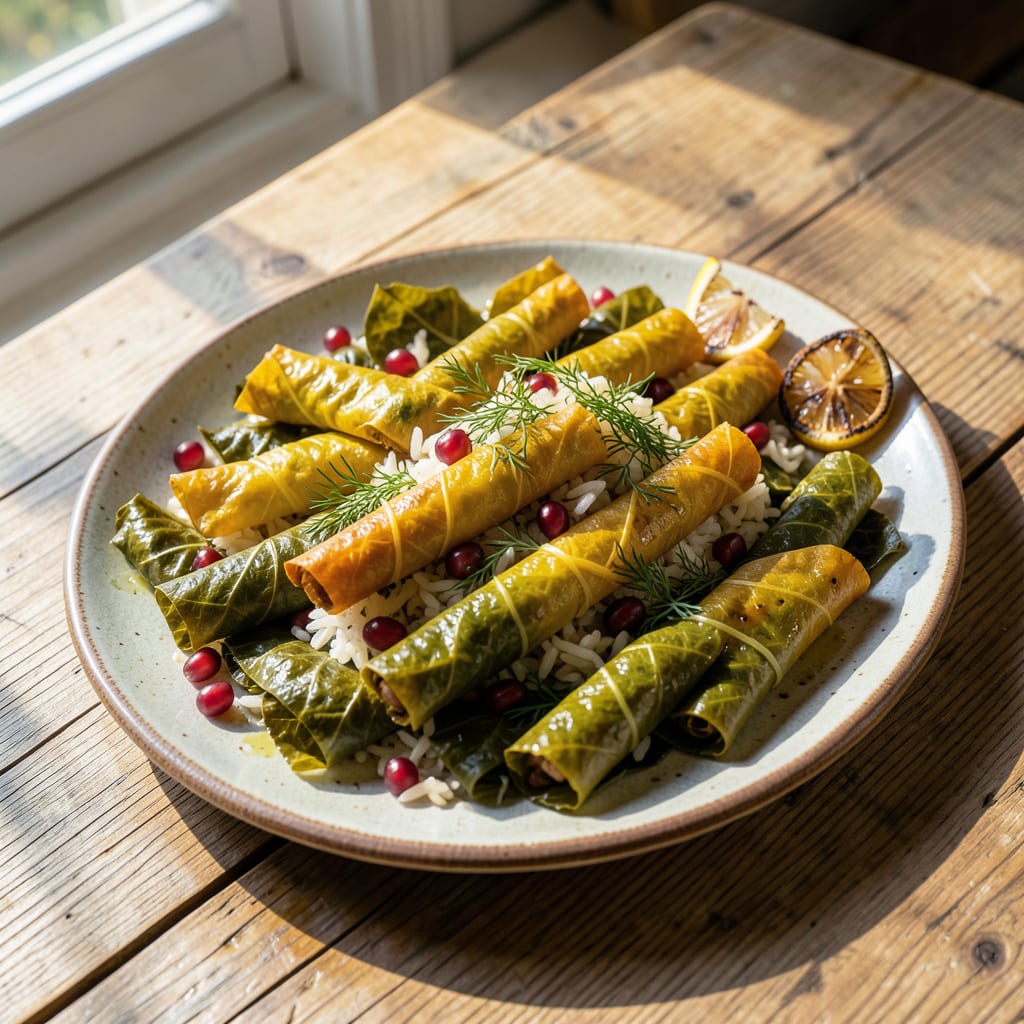
Yellow grape leaves told me my vines needed help before the fruit even formed. I’ve seen this in my own backyard—healthy vines one week, pale leaves the next, and it’s always a sign something’s off.
Water stress, hungry soil, or sneaky pests usually cause the color change. The good news? Most fixes are simple once you spot the real issue. I’ve saved entire harvests by catching it early.
You’ll get your vines back to deep green and productive with the right adjustment. The cure often takes just a few days to show results.
Works for young plants and old vines alike. Here’s how to diagnose and fix it fast.
Yellowing grape leaves signal distress, often tied to environmental, nutritional, or pathological factors. Below are the most common causes, explained with actionable insights.
Grapevines require a balanced diet. Nitrogen deficiency is a primary culprit, causing uniform yellowing (chlorosis) in older leaves first, as the plant redirects nitrogen to new growth. Magnesium or iron shortages also trigger yellowing—magnesium deficiency appears as interveinal chlorosis (yellowing between veins) in older leaves, while iron deficiency does the same but in younger leaves. Test soil pH (ideal: 5.5–6.5) and amend with compost or targeted fertilizers.
Both overwatering and underwatering stress grapevines. Overwatering suffocates roots, reducing oxygen uptake and nutrient absorption, leading to yellow, wilted leaves. Drought stress, conversely, causes leaves to yellow and crisp at the edges. Check soil moisture 2–3 inches deep—it should feel like a damp sponge. Adjust irrigation to maintain consistent moisture without waterlogging.
Pathogens like Pierce’s disease (caused by Xylella fastidiosa) or powdery mildew (Erysiphe necator) disrupt photosynthesis, turning leaves yellow or brown. Pierce’s disease often starts with “scorched” leaf margins, while powdery mildew coats leaves in white fungal growth. Apply copper-based fungicides preventatively and remove infected plant debris to curb spread.
Sap-sucking pests like spider mites or aphids drain vital fluids, causing stippled yellowing or curled, distorted leaves. Inspect leaf undersides for webbing (mites) or sticky residue (aphids). Treat with horticultural oil or insecticidal soap, targeting pests early to prevent stress-induced yellowing.
Extreme heat, cold snaps, or excessive sunlight can scorch leaves, turning them yellow or brown. Sunburn often affects exposed leaves, while frost damage creates water-soaked yellow patches. Provide shade cloth during heatwaves or use row covers for frost protection to mitigate stress.
Once you’ve pinpointed why your grape leaves are turning yellow, targeted fixes can restore vigor to your vines. Below are practical solutions mapped to the most common causes, plus prevention tips to keep foliage lush and green.
If the issue is nitrogen, phosphorus, or potassium deficiency, apply a balanced fertilizer (e.g., 10-10-10) or a vine-specific formula. For iron or magnesium shortages, use chelated iron or Epsom salt (1 tbsp per gallon of water) as a foliar spray. Prevention tip: 💡 Test soil annually and amend with compost to maintain nutrient balance.
Let the top 2–3 inches of soil dry out between waterings. If poor drainage is the culprit, improve soil structure by mixing in perlite or sand. For potted grapes, ensure containers have drainage holes. Prevention tip: ✨ Use drip irrigation to deliver water directly to roots and avoid wetting foliage.
For spider mites or aphids, spray leaves with neem oil or insecticidal soap, focusing on the undersides. Remove heavily infested leaves by hand. Prevention tip: 🎯 Introduce beneficial insects like ladybugs to keep pest populations in check naturally.
Remove and destroy infected leaves and stems to prevent spread. Apply a copper-based fungicide or baking soda solution (1 tbsp baking soda + 1 tsp dish soap per gallon of water) every 7–10 days. Prevention tip: 🌡️ Space vines for good airflow and avoid overhead watering to reduce humidity.
If excessive sun is scorching leaves, use shade cloth during peak hours. For wind damage, install a windbreak or trellis for support. Prevention tip: 🔥 Acclimate young vines gradually to full sun and harsh conditions.
Nutrient issues often show as yellowing between veins, while water stress causes uniform yellowing with wilting or crisp edges. Test soil moisture 2-3 inches deep to confirm.
Severely yellowed leaves may not recover, but fixing the root cause will help new growth stay green. Focus on improving conditions for future leaves.
Apply a balanced fertilizer (like 10-10-10) or compost tea. Results appear in 1-2 weeks as new growth emerges.
Yes, excess fertilizer burns roots, leading to yellowing. Always follow package instructions and flush soil with water if you suspect over-fertilization.
