
Beautiful Plants For Your Interior
Beautiful Plants For Your Interior
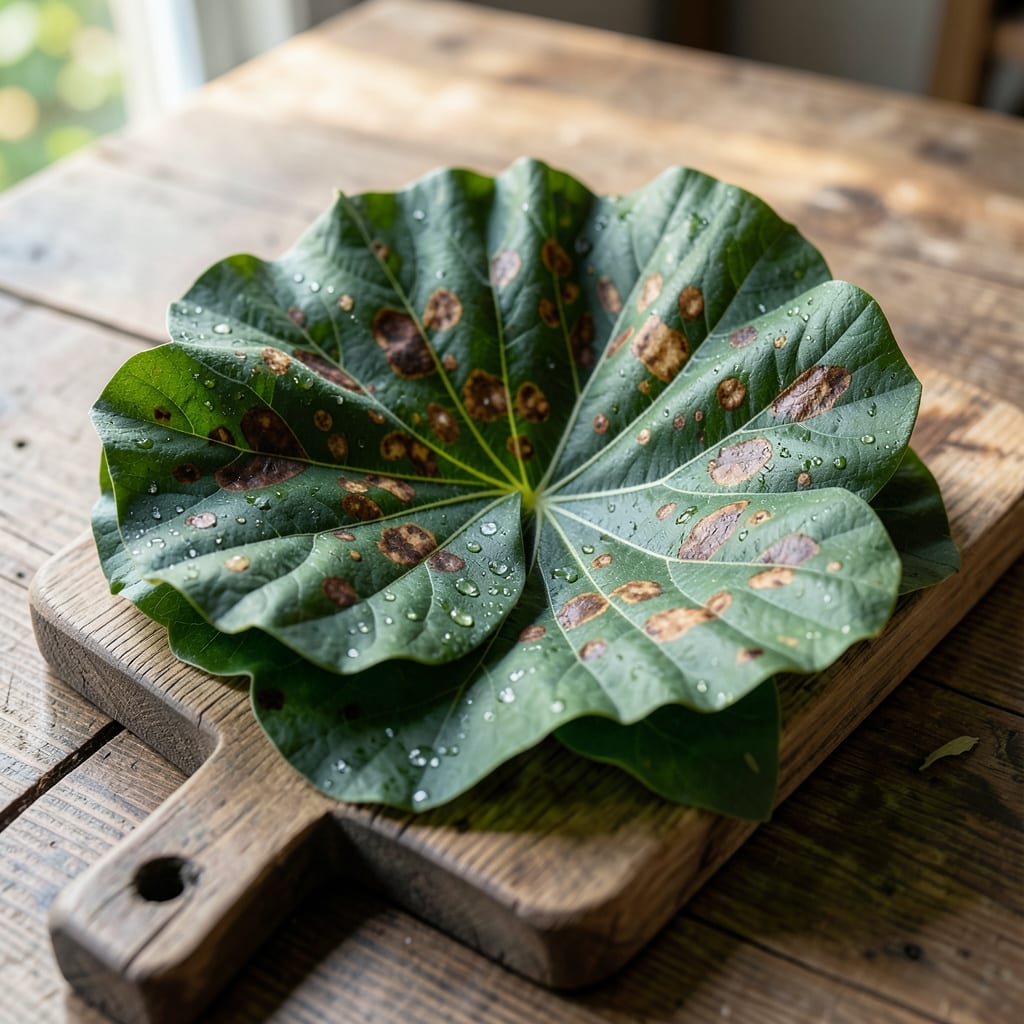
Brown spots on squash leaves ruined my first summer harvest. I watched healthy vines turn spotted overnight, and the panic set in fast.
Turns out, most cases come from three culprits: fungal infections, pests hiding underneath, or simple water stress. The good news? Natural fixes often work better than chemicals, and prevention stops it before it starts.
With the right approach, your plants bounce back within 7-10 days. You’ll see new growth emerge clean, and existing leaves stop spreading the damage.
Works for zucchini, pumpkins, and all summer squash varieties. Here’s how to diagnose and treat it.
Brown spots on squash leaves can stem from several underlying issues, each with distinct triggers. Here’s a breakdown of the most common causes:
Fungi like Alternaria or Cercospora thrive in warm, humid conditions. They produce spores that land on leaves, germinate, and create circular or irregular brown spots with yellow halos. Overhead watering and poor air circulation exacerbate fungal growth.
Pests such as squash bugs or cucumber beetles pierce leaf tissues to feed, leaving behind small wounds. These entry points can turn brown as the plant reacts to the damage. Additionally, pests may transmit bacterial diseases that cause further spotting.
Bacteria like Xanthomonas or Pseudomonas enter through stomata or wounds, multiplying in leaf tissues. This leads to water-soaked lesions that dry into brown, sometimes crispy spots. Splashing water spreads the bacteria, especially during rain or irrigation.
Extreme heat, drought, or sunscald can stress squash plants, causing localized browning. Nutrient deficiencies (e.g., potassium or magnesium) may also manifest as interveinal brown spots, as the plant struggles to maintain healthy foliage.
Tackling brown spots on your squash leaves starts with identifying the cause. Here’s how to address the most common issues and restore your plant’s health:
If the spots are circular with a yellow halo, a fungicide is your best bet. Mix 1 tablespoon of baking soda and 1 teaspoon of dish soap in a gallon of water, then spray the leaves weekly. For severe cases, use a copper-based fungicide. Prevent future outbreaks by watering at the base (not the leaves) and spacing plants for airflow.
💡 Pro Tip: Remove heavily infected leaves to stop the spread!
Check the undersides of leaves for pests like squash bugs or aphids. Blast them off with a strong stream of water, or apply neem oil or insecticidal soap. For stubborn infestations, introduce beneficial insects like ladybugs. Prevent pests by rotating crops and keeping the garden free of debris.
Yellowing leaves with brown edges often signal a magnesium or potassium deficiency. Work compost or a balanced fertilizer into the soil, or apply a foliar spray with Epsom salt (1 tablespoon per gallon of water). Prevent deficiencies with regular soil testing and amending before planting.
If spots appear after extreme heat or drought, shade cloth and consistent watering can help. Mulch around the base to retain moisture. Prevent stress by planting in well-draining soil and providing afternoon shade in hot climates.
Fungal spots often appear as circular or irregular shapes with a yellow halo. They spread quickly in humid conditions.
Yes, pruning heavily spotted leaves reduces the spread of disease. Always disinfect your tools after to prevent contamination.
Overwatering creates soggy conditions that promote fungal growth. Stick to 1 inch per week and water at the base.
Neem oil works well for both fungal infections and pests. Apply in the evening and reapply after rain for best results.
