
Beautiful Plants For Your Interior
Beautiful Plants For Your Interior
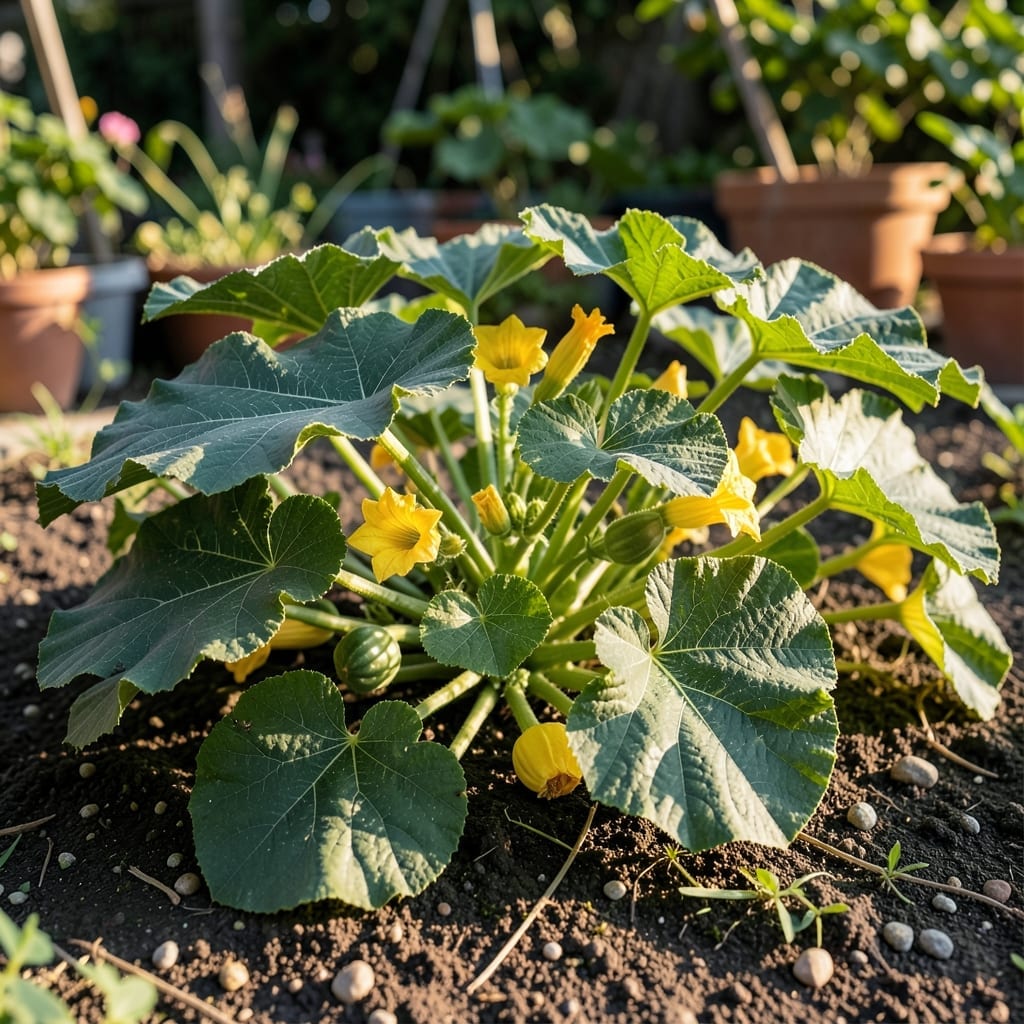
Yellow squash leaves are your garden’s way of waving a red flag. I’ve seen this happen mid-summer, and it’s always a scramble to figure out what the plants are trying to tell us.
Most times, it’s one of four culprits: too much water, not enough food, sneaky pests, or a fungus moving in. The good news? Each has a quick fix once you know what you’re dealing with.
I’ve saved entire patches with a simple soil test and a change in watering habits. The turnaround can be surprisingly fast—sometimes you’ll see greener leaves within a week.
We’ll walk through how to play plant detective and get your squash back on track before the season’s over.
Squash plants turning yellow often signal underlying issues that disrupt their health. Here are the most common causes, broken down for clarity:
Yellow leaves, especially on older growth, may indicate a lack of nitrogen (uniform yellowing) or magnesium (interveinal chlorosis). Nitrogen is mobile, so the plant redistributes it to newer leaves first. Magnesium deficiency often appears as yellow patches between leaf veins. A soil test can confirm imbalances—amend with compost or a balanced fertilizer (e.g., 10-10-10) for nitrogen, or Epsom salt (magnesium sulfate) for quick correction.
Soggy roots suffocate, reducing oxygen uptake and nutrient absorption. This leads to yellowing, wilting, or root rot. Squash thrives in well-draining soil—ensure pots have drainage holes, and avoid waterlogging beds. Let the top 1–2 inches of soil dry between waterings. If root rot is suspected, trim affected roots and repot in fresh, sterile mix.
Extreme temperatures (below 50°F or above 90°F) or sudden temperature swings can stress squash, causing yellowing. Heat stress often targets leaf edges first. Use row covers for cold snaps or shade cloth during heatwaves. Consistency is key—aim for 70–85°F for optimal growth.
Spider mites or aphids sap plant juices, leading to stippled yellow leaves. Check undersides of leaves for webs or tiny insects. Treat with neem oil or insecticidal soap. Fungal diseases like powdery mildew (white powdery spots) or downy mildew (yellow patches on top, gray underneath) thrive in humidity. Improve airflow, avoid overhead watering, and apply copper fungicide if needed.
When your squash plants start turning yellow, quick action can restore their health. Below are targeted fixes for common causes, along with prevention tips to keep your garden thriving.
If yellowing starts with older leaves, your plants may lack nitrogen or magnesium. Fix: Work a balanced fertilizer (10-10-10) into the soil or apply compost. For magnesium, sprinkle 1 tablespoon of Epsom salt per gallon of water around the base. Prevention: Test soil annually and amend before planting.
Yellow leaves with mushy stems? You’re likely overwatering. Let the top inch of soil dry out between waterings. If leaves are crispy and dry, underwatering is the issue—water deeply 1-2 times a week. Prevention: Use mulch to retain moisture and improve drainage with raised beds if needed.
Aphids, cucumber beetles, or spider mites sap plant vitality, causing yellow patches. Fix: Spray leaves with a neem oil solution (1 tbsp per gallon of water) or introduce beneficial insects like ladybugs. Prevention: Inspect plants weekly and remove pests by hand when spotted early.
Powdery mildew (white spots) or bacterial wilt (sudden yellowing) need fast action. Fix: Remove affected leaves and apply a copper fungicide. For bacterial wilt, pull and destroy infected plants. Prevention: Space plants for airflow and avoid overhead watering.
Too much sun or cold snaps can stress squash. Fix: Use shade cloth during heatwaves or cover plants with frost blankets. Prevention: Plant in a spot with 6-8 hours of sun and harden off seedlings before transplanting.
💡 Pro Tip: Rotate crops yearly to prevent soil-borne issues from recurring!
Look for yellow leaves with mushy stems. Squash needs well-draining soil, so let the top 1-2 inches dry between waterings.
Dissolve 1 tablespoon of Epsom salt in a gallon of water and apply at the base. Yellow patches between veins often signal this issue.
Severely damaged leaves won’t recover, but fixing the cause (like adding nutrients) helps new growth stay green.
Apply at the first sign of pests like aphids or spider mites. Mix 1 tablespoon per gallon of water and spray undersides of leaves.