
Beautiful Plants For Your Interior
Beautiful Plants For Your Interior
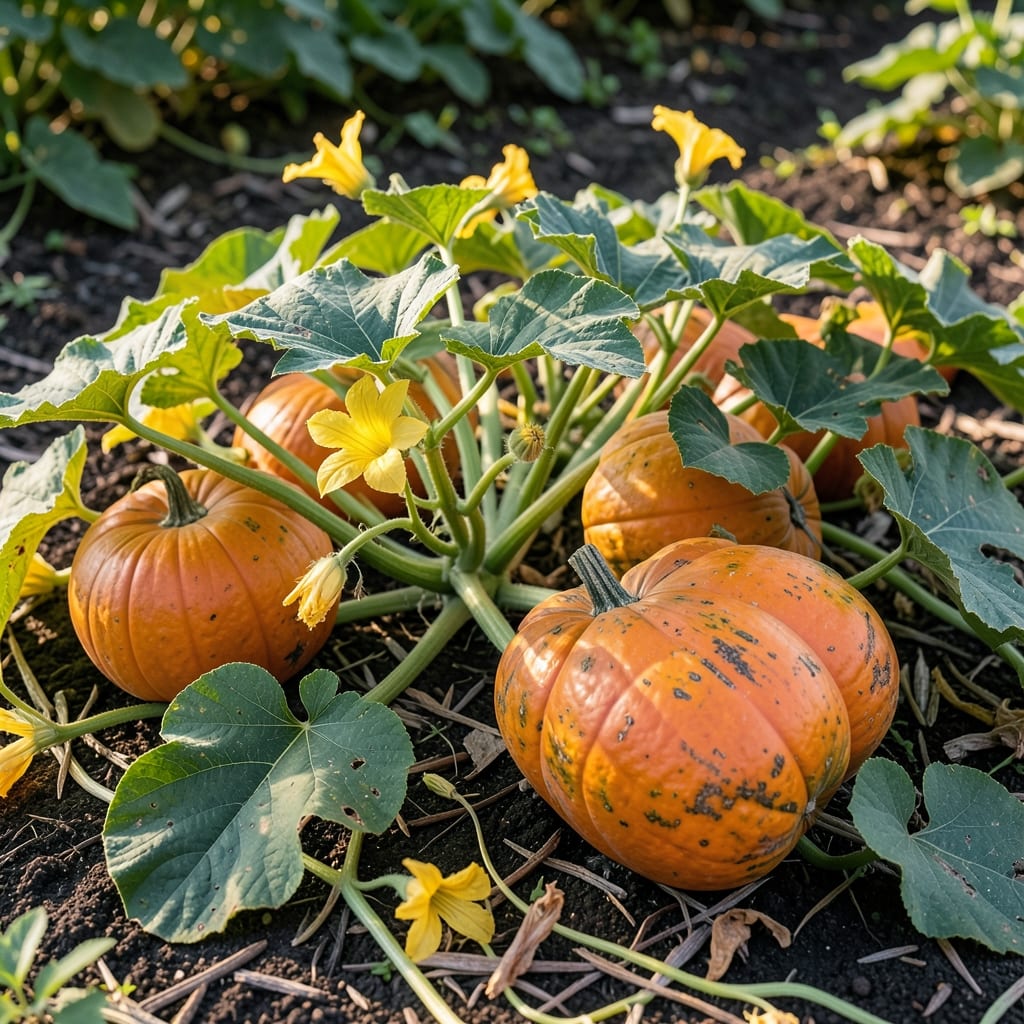
Those dark spots on your pumpkins aren’t just ugly—they’re a warning sign. I’ve lost entire patches to mysterious blemishes before learning how to read the early clues.
Most spots fall into three categories: fungal infections, pest damage, or environmental stress. Each leaves a distinct fingerprint on the rind, from powdery mildew’s white dust to squash bugs’ yellowing bite marks.
The good news? Natural remedies work surprisingly well if you catch it early. Neem oil, copper sprays, and even baking soda solutions can turn the tide in 48-72 hours.
By season’s end, you’ll be harvesting spot-free pumpkins with that deep orange glow. Prevention is simpler than you think—often just better air circulation and consistent watering.
Spots on pumpkins can be frustrating, but understanding the root causes helps you tackle them effectively. Here are the most common reasons:
Fungi like Alternaria or Powdery Mildew thrive in damp, warm conditions. These pathogens spread through spores, leaving dark, circular spots on leaves and fruit. Overhead watering or poor air circulation worsens the issue. Action: Improve airflow and use copper-based fungicides preventatively.
Insects such as squash bugs or cucumber beetles pierce pumpkin skin, creating entry points for bacteria and fungi. Their feeding also causes yellow or brown spots. Action: Inspect plants regularly and remove pests by hand or with neem oil.
Extreme heat, drought, or nutrient deficiencies (like calcium or potassium) can cause discoloration or spotting. For example, blossom end rot appears as dark, sunken spots due to calcium imbalance. Action: Maintain consistent watering and test soil for deficiencies.
Bacteria like Pseudomonas or Xanthomonas create water-soaked or angular spots, often with a yellow halo. These spread via contaminated tools or water. Action: Rotate crops, avoid overhead irrigation, and sanitize tools to prevent spread.
Spots on your pumpkins can be frustrating, but most issues are treatable with the right approach. Below are targeted solutions for common causes, along with prevention tips to keep your pumpkins healthy.
Fix: Remove infected leaves immediately to prevent spread. Apply a neem oil or baking soda spray (1 tbsp baking soda + 1 tsp dish soap + 1 gallon of water) weekly until the issue clears. For severe cases, use a copper-based fungicide.
Prevention: Improve air circulation by spacing plants 3–4 feet apart. Water at the base (avoid wetting leaves) and do it in the morning so foliage dries quickly.
Fix: Handpick pests or blast them off with a strong water spray. Introduce beneficial insects like ladybugs or use insecticidal soap. For squash bugs, place cardboard traps under plants to catch and remove them.
Prevention: Rotate crops yearly and use row covers early in the season to block pests. Companion planting with nasturtiums or marigolds can deter invaders.
Fix: Adjust your watering schedule—pumpkins need 1–1.5 inches of water per week. If leaves are yellowing, reduce water and ensure soil drains well. For drought stress, mulch around plants to retain moisture.
Prevention: Use drip irrigation to deliver water directly to roots. Test soil moisture with your finger (water if the top inch is dry).
Fix: For yellow spots (magnesium deficiency), apply Epsom salt spray (1 tbsp Epsom salt + 1 gallon of water) to leaves. For blossom-end rot (calcium deficiency), add crushed eggshells to soil or use a calcium-rich foliar spray.
Prevention: Test soil before planting and amend with compost or balanced fertilizer. Maintain a soil pH of 6.0–6.8 for optimal nutrient uptake.
💡 Pro Tip: Regularly inspect pumpkins for early signs of trouble—catching spots early makes treatment easier and more effective!
Not always. Small, superficial spots may just be cosmetic. But dark, spreading, or sunken spots often signal disease or pest damage that needs attention.
Pest damage often looks like small holes or chewed areas. Fungal or bacterial spots are usually circular, discolored, or have a powdery texture. Inspect closely for clues.
If the spots are only on the skin and the flesh inside looks healthy, it’s usually safe. But if the flesh is discolored or mushy, it’s best to discard it.
Remove affected leaves or areas immediately. Apply neem oil or a baking soda solution for fungal issues. For pests, use insecticidal soap. Act within 24-48 hours for best results.