
Beautiful Plants For Your Interior
Beautiful Plants For Your Interior
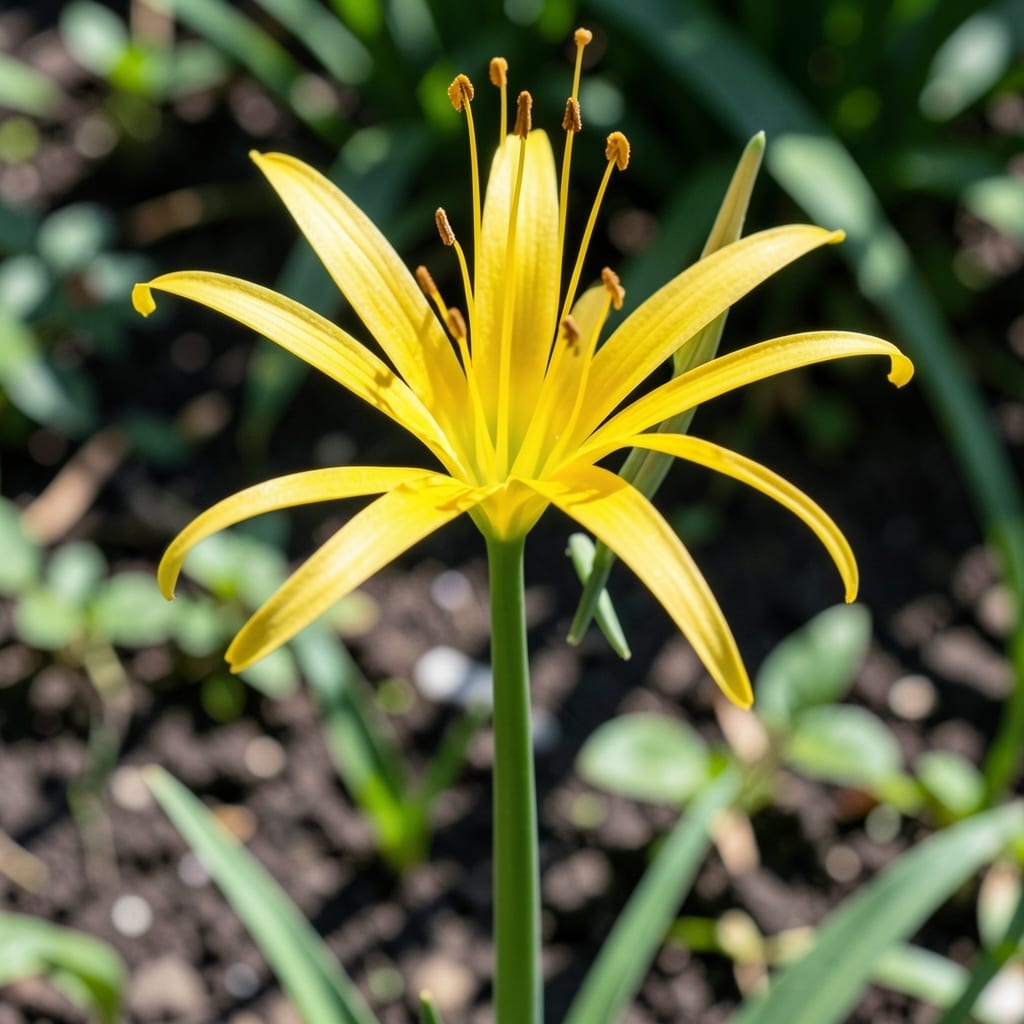
Yellow spider lilies bring drama to any garden with their bold, strappy blooms. I was skeptical about their fussy reputation until I planted my first cluster and watched them thrive with minimal effort.
These plants love well-draining soil and full sun, but they’ll tolerate partial shade. The key is planting the bulbs at the right depth—4-6 inches—and giving them space to naturalize over time.
You’ll get long-lasting flowers that return year after year, often multiplying into larger clumps. Their unique shape and vibrant color make them a standout in borders or as focal points.
Best of all, they’re surprisingly low-maintenance once established. Here’s how to get them started in your space.
The vibrant spider lily can lose its lush green hue for several reasons, often signaling underlying stress. Below are the most common causes, explained with actionable insights.
A lack of essential nutrients, particularly nitrogen, magnesium, or iron, can turn leaves yellow. Nitrogen deficiency often starts in older leaves, while magnesium shortages create interveinal chlorosis (yellowing between veins). Iron deficiency, common in alkaline soils, also causes yellowing. Action: Test soil pH and amend with compost or a balanced fertilizer (e.g., 10-10-10). For iron, use chelated iron supplements.
Excess water suffocates roots, preventing oxygen uptake and leading to root rot. Yellowing leaves, often wilting or mushy, are classic signs. Spider lilies prefer moist but well-draining soil. Action: Check soil moisture 2 inches deep—water only if dry. Improve drainage by mixing in perlite or sand. Use pots with drainage holes if growing in containers.
Too much direct sun can scorch leaves, causing yellow or brown patches (sunburn). Conversely, insufficient light leads to pale, yellowish growth as chlorophyll production drops. Action: Provide partial shade (4–6 hours of morning sun) in hot climates. In low-light areas, supplement with grow lights or relocate to a brighter spot.
Sap-sucking pests like aphids, spider mites, or scale insects drain nutrients, causing yellow streaks or stippling. Check leaf undersides for webbing (mites) or sticky residue (aphids). Action: Spray with insecticidal soap or neem oil weekly until pests are gone. Introduce beneficial insects like ladybugs for prevention.
Older leaves naturally yellow and die as the plant reallocates resources to new growth. This is normal and typically affects only lower leaves. Action: Trim yellowed foliage at the base to maintain appearance and redirect energy to healthier growth.
When your spider lilies start turning yellow, quick action can restore their vibrant health. Below are targeted solutions for the most common causes, along with prevention tips to keep your plants thriving.
Yellow leaves often signal root rot from excessive moisture. Stop watering immediately and check the soil—if it’s soggy, let it dry out completely. Repot the plant in fresh, well-draining soil and ensure the container has drainage holes. Prevention tip: Water only when the top inch of soil feels dry, and use a mix with perlite or sand to improve drainage. 💡
Spider lilies need bright, indirect light. If leaves turn yellow and appear weak, move the plant to a sunnier spot (e.g., an east-facing window). Avoid harsh direct sunlight, which can scorch the foliage. Prevention tip: Rotate the pot weekly for even light exposure and consider grow lights in dim spaces. ✨
A lack of essential nutrients, especially nitrogen or magnesium, can cause yellowing. Apply a balanced, water-soluble fertilizer (10-10-10) every 4–6 weeks during the growing season. For magnesium, use Epsom salt (1 tablespoon per gallon of water) as a foliar spray. Prevention tip: Test your soil annually and amend it with compost for long-term fertility. 🎯
Pests like spider mites or aphids sap plant vitality, leading to yellowing. Wipe leaves with a damp cloth and treat with neem oil or insecticidal soap. Isolate heavily infested plants to prevent spread. Prevention tip: Inspect leaves regularly and maintain humidity to deter pests. 🌡️
With these fixes, your spider lilies should bounce back to their lush, green glory!
Water when the top 1-2 inches of soil feel dry. These plants prefer moist but well-draining soil, so avoid soggy conditions. In hot climates, this may mean watering 2-3 times per week.
They tolerate partial shade but thrive in 4-6 hours of morning sun. Full shade often leads to weak growth and fewer blooms. For best results, provide bright, indirect light.
Use well-draining, slightly acidic soil with a pH of 6.0-6.5. Amend heavy clay with compost or sand. This prevents waterlogging, which can cause yellowing and root rot.