
Beautiful Plants For Your Interior
Beautiful Plants For Your Interior
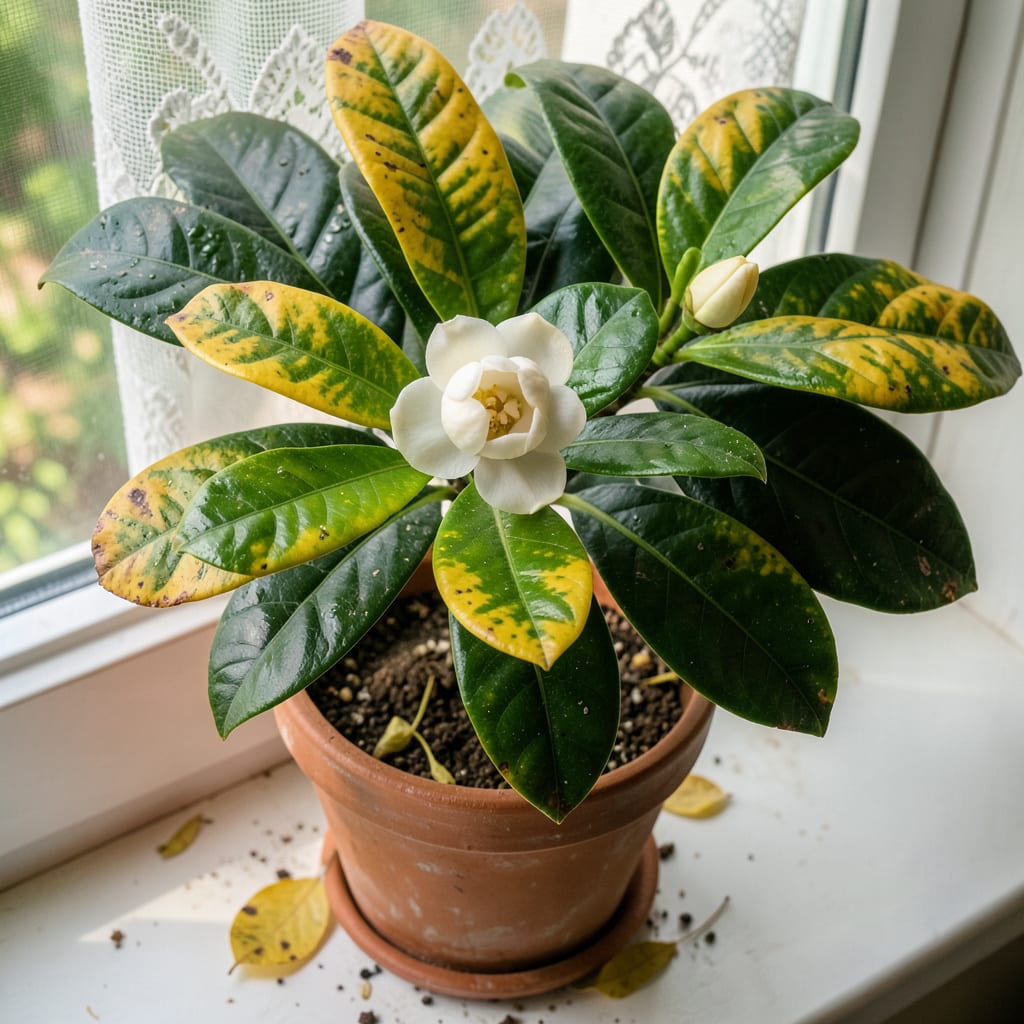
Yellow leaves on gardenias always signal a plant in distress. I’ve seen this happen when iron deficiency hits or when roots drown in soggy soil. The fix starts with understanding what your plant is trying to tell you.
Most cases come down to four culprits: poor drainage, wrong pH, nutrient gaps, or pest pressure. Gardenias need acidic soil and consistent moisture—not too much, not too little. Get this right, and you’ll see greener leaves within weeks.
I’ve saved countless plants by adjusting watering schedules and testing soil pH. A simple at-home test kit costs $10 and gives you the answers you need. No guesswork, just results.
Prevention is easier than cure. Regular checks on soil moisture and leaf color catch problems early. Your gardenias will thank you with glossy, vibrant foliage and abundant blooms.
Gardenias are stunning but finicky plants, and yellow leaves often signal an underlying issue. Here’s a breakdown of the most common causes, backed by science and actionable insights.
Gardenias thrive in acidic soil (pH 5.0–6.0). When the pH is off, essential nutrients like iron, magnesium, or nitrogen become unavailable. Iron deficiency, for example, causes interveinal chlorosis—yellowing between leaf veins—while nitrogen deficiency leads to uniform yellowing, starting with older leaves. A soil test can confirm imbalances, and amendments like chelated iron or sulfur can restore harmony.
Root rot from soggy soil suffocates roots, blocking nutrient uptake. Gardenias hate “wet feet,” so ensure pots have drainage holes and use well-draining, peat-based mixes. Yellowing leaves paired with wilting or black stems scream overwatering. Let the top inch of soil dry between waterings, and adjust based on humidity.
Too little light causes pale, yellow leaves as chlorophyll production drops. Conversely, harsh direct sun can scorch leaves, turning them yellow or brown. Gardenias prefer bright, indirect light (4–6 hours daily). If indoors, place near an east or south-facing window with sheer curtains to filter intensity.
Sap-sucking pests like spider mites, aphids, or scale drain nutrients, leading to stippled yellowing. Check leaf undersides for webs, sticky residue, or tiny bugs. Treat with neem oil or insecticidal soap, and isolate the plant to prevent spread.
Once you’ve identified the cause of your gardenia’s yellow leaves, these targeted fixes will help restore its lush green foliage. Act quickly for the best results!
If your soil test reveals a lack of iron, magnesium, or nitrogen, apply a balanced, acid-loving plant fertilizer (like one for azaleas or camellias). For iron deficiency, use chelated iron as a soil drench or foliar spray. Prevention tip: Fertilize every 4-6 weeks during growing season but avoid overdoing it—too much can burn roots. 💡 Yellow leaves won’t turn green again, but new growth will!
Let the top inch of soil dry out before watering again. Ensure your pot has drainage holes, and use a well-draining, peat-based potting mix. For gardenias in the ground, amend heavy clay soil with compost. Prevention tip: Water deeply but less frequently—gardenias hate soggy roots! 🌡️ Use a moisture meter to take the guesswork out.
Move potted gardenias to a spot with bright, indirect light (east or west-facing windows are ideal). If outdoors, provide dappled shade during the hottest part of the day. Prevention tip: Avoid sudden light changes—acclimate plants gradually to new conditions. ✨ Leggy growth with yellow lower leaves? It’s begging for more light!
For scale, mealybugs, or spider mites, wipe leaves with a soapy water solution (1 tsp mild soap per quart of water) or use neem oil spray. Repeat every 5-7 days until pests are gone. Prevention tip: Inspect new plants before bringing them home and isolate infested plants immediately. 🎯 Yellow stippling on leaves? Spider mites might be the culprit.
Keep gardenias in 60-75°F (15-24°C) ranges. Avoid cold drafts, AC vents, or sudden temperature swings. If moving plants indoors for winter, do so before night temps drop below 50°F (10°C). Prevention tip: Use a thermometer near your plants to monitor conditions. 🔥 Yellowing after a move? Give it time to adjust!
Water when the top 1 inch of soil feels dry. Typically, this means watering 2-3 times per week in warm weather and less in cooler months. Always check soil moisture first.
Gardenias thrive in acidic soil with a pH between 5.0-6.0. Test your soil regularly and amend with sulfur or peat moss if needed to maintain this range.
No, yellow leaves won’t regain their green color. Focus on correcting the underlying issue to ensure new growth is healthy and vibrant.
Lower leaves often yellow first due to nitrogen deficiency or insufficient light. Check your fertilizer and adjust the plant’s position for better light exposure.
