
Beautiful Plants For Your Interior
Beautiful Plants For Your Interior
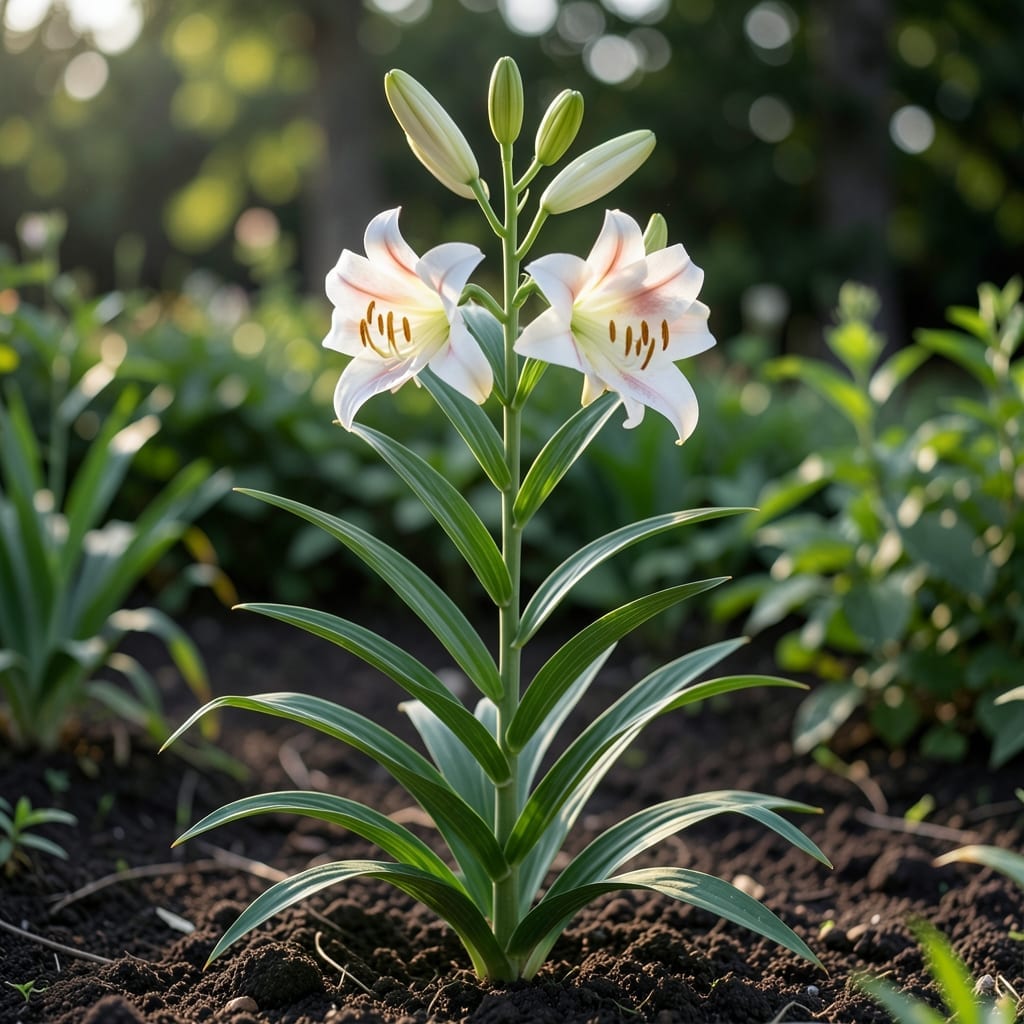
I’ve seen too many gardeners struggle with wilting 🌸 Lilies simply because they got the light conditions wrong. The truth is, these stunning flowers have specific needs that vary by type.
Whether you’re growing Asiatic, Oriental, or trumpet varieties, nailing the sun-to-shade ratio can mean the difference between lackluster and spectacular blooms. And yes, some can handle shadier spots better than others.
Discover how to place your Lilies for maximum impact and health. Your garden will thank you with vibrant colors and longer-lasting flowers.
 Best Window Placement
I’ve found that most lilies thrive in full sun, but the exact needs vary by type. Asiatic lilies love 6-8 hours of direct sunlight daily for vibrant blooms. They’re the sun-worshippers of the lily family. ☀️
On the other hand, Oriental lilies prefer a bit more protection. They do best with morning sun and afternoon shade, especially in hotter climates. This balance keeps their petals from scorching while still promoting strong growth.
| Variety | Sunlight Needs | Notes |
|---|---|---|
| Asiatic | 6-8 hours | Full sun, drought-tolerant |
| Oriental | 4-6 hours | Morning sun, afternoon shade |
| Trumpet | 6+ hours | Full sun, tall stems |
| Daylilies | 4-6 hours | Tolerates partial shade |
Trumpet lilies are another sun-loving variety, often needing 6+ hours of direct light. Their tall stems and fragrant blooms reward gardeners who give them plenty of sunlight. I’ve seen them reach 6 feet in ideal conditions.
Daylilies are the most adaptable. They’ll flourish with 4-6 hours of sun but can handle partial shade. This makes them perfect for gardens with mixed light conditions. I often recommend them for beginners. 🌱
If you’re in a hot climate, even sun-loving lilies benefit from dappled afternoon shade. This prevents petal scorch and keeps the soil from drying out too quickly. I’ve saved many a lily from heat stress with this trick.
For container gardening, place pots where they’ll get morning sun and some afternoon shade. This mimics natural conditions and helps regulate soil temperature. I’ve had great success with Asiatics in pots on my east-facing patio.
Seasonal changes matter too. In spring and fall, lilies can handle more sun. But during the peak summer, even full-sun varieties appreciate a bit of relief from the harshest rays.
Remember, soil quality affects sun tolerance. Well-draining soil helps lilies handle more sun by preventing waterlogged roots. I always amend my beds with compost before planting. ✂️
Finally, observe your garden’s microclimates. A spot that gets full sun in summer might be shadier in spring. I use a sunlight calculator app to track light patterns throughout the year.
While most lilies prefer sun, some varieties can thrive in partial shade. I’ve had success with Oriental lilies in shadier spots, though they bloom best with 4-6 hours of dappled light. ☀️
Daylilies are the shade champions. They’ll grow in full shade, but you’ll get fewer blooms. For best results, aim for 3-4 hours of morning sun. I’ve seen them flourish under tall trees. 🌿
For deep shade, focus on Martagon lilies. These woodland natives can handle almost full shade and still produce beautiful, downward-facing blooms. I’ve planted them under dense canopies with great success.
Soil adjustments are crucial in shade. I always mix in organic matter to improve drainage, as shaded areas often stay damp. This prevents bulb rot while giving roots the aeration they need.
Companion planting helps too. Pair shade-tolerant lilies with hostas or ferns to create a layered look. The ferns’ delicate fronds contrast beautifully with lily blooms. 🌱
Remember that seasonal changes affect shade gardens. In winter, bare trees let in more light. I track these patterns to place my lilies where they’ll get the most consistent light throughout the year.