
Beautiful Plants For Your Interior
Beautiful Plants For Your Interior
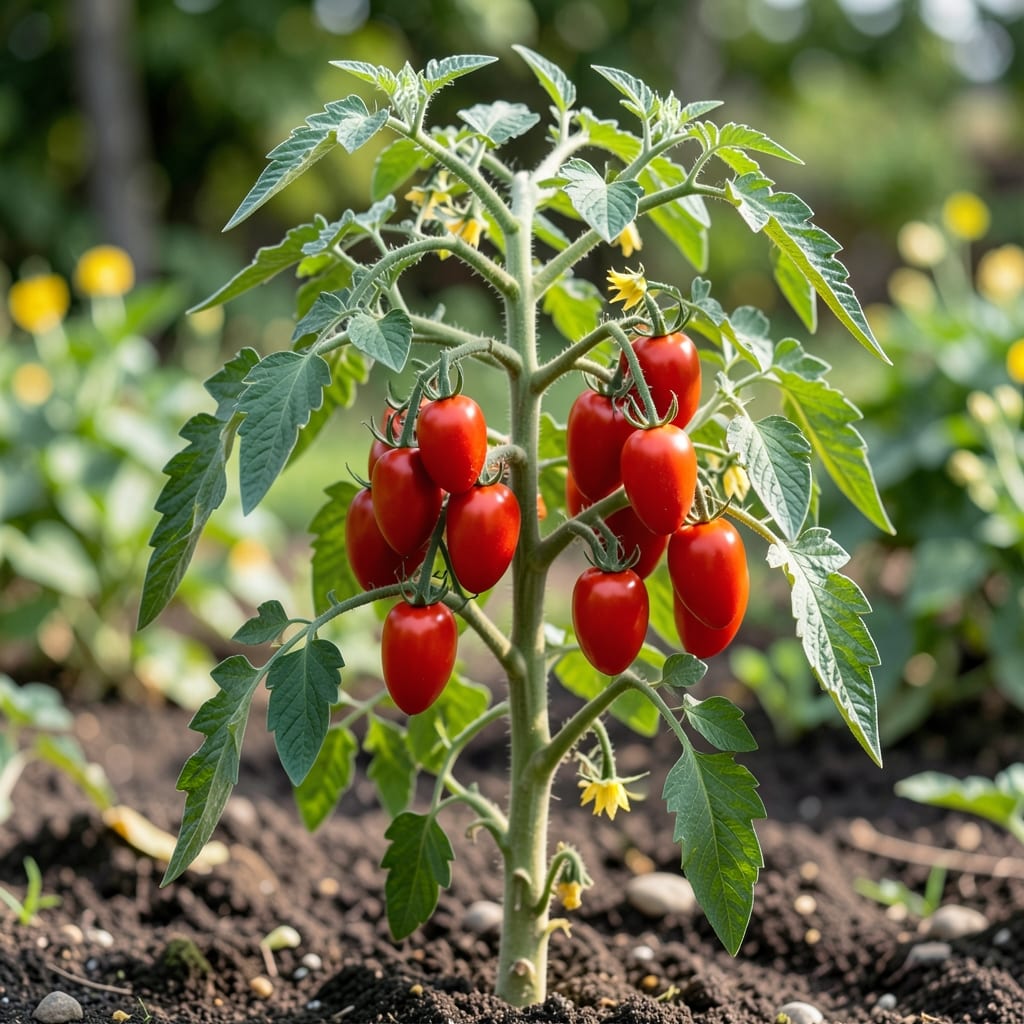
Yellowing leaves on your San Marzano tomatoes aren’t just ugly—they’re a warning sign. I’ve seen entire plants defoliate overnight when these issues go unchecked in my own garden.
Most problems start with overwatering, nutrient deficiency, or early blight. The organic solutions are simpler than you’d expect: adjust your watering schedule, add compost tea, or remove affected leaves before the issue spreads.
Your plants will bounce back with healthier growth within 1-2 weeks of treatment. The key is catching it early and acting fast with natural methods.
Works for container gardens, raised beds, or in-ground plants. Here’s exactly what to look for and how to fix it.
Understanding why San Marzano tomato leaves develop problems starts with recognizing the common culprits behind their decline. These issues often stem from environmental, biological, or cultural factors that disrupt the plant’s health.
Extreme temperatures, either too hot or too cold, can stress San Marzano plants, leading to leaf discoloration or wilting. High heat (above 90°F) may cause leaf scorch, while sudden cold snaps can trigger purple veins or stunted growth due to reduced phosphorus uptake. Inconsistent watering—either drought or waterlogging—also weakens roots, making leaves turn yellow or brown.
San Marzano tomatoes are prone to early blight (Alternaria solani) and late blight (Phytophthora infestans), which create dark spots or lesions on leaves. Bacterial speck or spot (Pseudomonas syringae) causes small, water-soaked spots that turn brown. These pathogens thrive in humid conditions and spread via water splashes or contaminated tools.
Sap-sucking pests like aphids, whiteflies, and spider mites drain nutrients from leaves, causing curling, yellowing, or stippling. Aphids also excrete honeydew, which promotes sooty mold growth. Thrips and tomato hornworms may chew leaves, leading to ragged edges or holes.
Imbalances in soil nutrients often manifest in the leaves first. Nitrogen deficiency turns older leaves yellow (chlorosis), while magnesium deficiency causes interveinal chlorosis (yellowing between veins). A lack of calcium leads to blossom end rot but may also trigger leaf tip burn. Over-fertilization, especially with high nitrogen, can result in lush but weak growth prone to disease.
When your San Marzano tomato plants show troubled leaves, quick and targeted action can restore their health. Below are practical solutions for the most common leaf issues, paired with prevention tips to keep your plants thriving.
Yellow leaves often signal a nitrogen or magnesium deficiency. Fix it by applying a balanced, organic fertilizer (like 10-10-10) or a foliar spray of Epsom salt (1 tablespoon per gallon of water). Water deeply after application.
Prevention: Test soil before planting and amend with compost. Rotate crops yearly to avoid depletion.
Spots with dark edges usually mean fungal diseases like early blight. Fix it by removing infected leaves and spraying with copper fungicide or a DIY mix of baking soda (1 tsp), water (1 quart), and a drop of dish soap. Repeat every 7–10 days.
Prevention: Space plants for airflow, water at the base (not leaves), and mulch to prevent soil splash.
Curling or holes point to pests like aphids or hornworms. Fix it by blasting aphids off with water or picking off hornworms by hand. For severe infestations, use neem oil or insecticidal soap.
Prevention: Encourage beneficial insects (ladybugs, lacewings) with companion plants like basil or marigolds.
Wilting can mean both over- and under-watering. Fix it by checking soil moisture: if dry 2 inches down, water deeply; if soggy, hold off and improve drainage.
Prevention: Use drip irrigation for consistent moisture and mulch to retain water without suffocating roots.
With these fixes and a little vigilance, your San Marzano plants will bounce back stronger! 🌱
This is classic magnesium deficiency. Apply 1 tablespoon Epsom salt per gallon of water as a foliar spray weekly until recovered.
Remove all infected leaves immediately and apply copper fungicide every 7 days. Prevent spread by avoiding overhead watering.
Plant basil or marigolds nearby to attract beneficial insects. A strong water spray dislodges aphids naturally.
No—this spreads pathogens. Burn or bag infected leaves. Healthy trimmings can be composted if the pile reaches 140°F.