
Beautiful Plants For Your Interior
Beautiful Plants For Your Interior
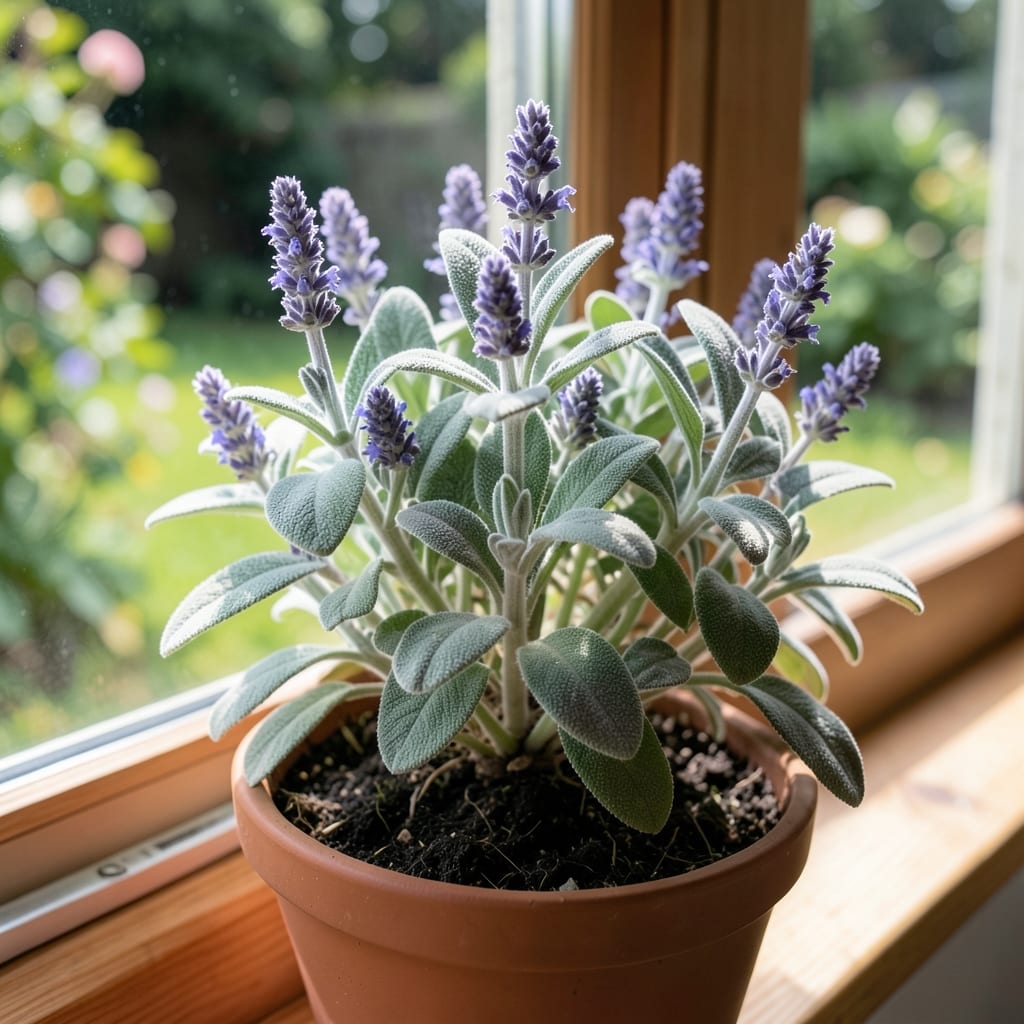
Brown leaves on your sage aren’t a death sentence. I’ve seen this happen with both new and established plants, and the fix is often simpler than you think.
Usually it’s one of three culprits: too much water, not enough light, or a sudden temperature change. Sage is tough, but it has limits. The leaves turn crispy at the edges first, then spread inward if you don’t act.
You’ll spot the difference between underwatering (dry, papery) and overwatering (soft, mushy) with a quick touch test. 90% of cases improve within 2 weeks of adjusting care.
Works for potted plants, garden beds, or windowsill herbs. Here’s how to diagnose and fix it fast.
Sage leaves turning brown is often a sign of stress, and several environmental or care-related factors can trigger it. Here’s a breakdown of the most common causes:
Sage thrives in warm, moderate conditions. Heat stress (temperatures above 90°F) can scorch leaves, while cold damage (below 40°F) causes browning and wilting. Sage is hardy but not invincible—sudden frost or prolonged heat waves disrupt its cellular processes, leading to discoloration.
Sage is a Mediterranean herb that hates soggy roots. Overwatering or poorly draining soil suffocates the roots, preventing oxygen uptake and promoting fungal growth. Root rot is a silent killer—brown, mushy roots spread upward, turning leaves brown and crispy.
While sage loves sunlight, intense, direct UV rays (especially in dry climates) can cause sunburn. Leaves develop brown, papery patches as chlorophyll breaks down. This is common in container-grown sage exposed to afternoon sun without shade.
Dry indoor air or arid outdoor conditions sap moisture from sage leaves faster than the plant can replenish it. Dehydration starts at the leaf edges, turning them brown and brittle. This is especially problematic for potted sage near heaters or air conditioners.
Sap-sucking pests like spider mites and aphids drain vital fluids from sage, causing yellowing that progresses to brown. Their feeding also introduces toxins, accelerating leaf death. Check leaf undersides for webbing or tiny insects.
If your sage is turning brown, don’t panic—there’s usually a simple fix! Below are targeted solutions for the most common causes, paired with prevention tips to keep your plant thriving long-term.
Fix: Stop watering immediately and check the soil. If it’s soggy, repot the sage in fresh, well-draining soil (mix in perlite or sand). Trim any blackened, mushy roots with clean scissors. Water only when the top 1-2 inches of soil are dry.
Prevent: Use pots with drainage holes and a gritty soil mix. Water deeply but infrequently—sage prefers dry conditions over damp ones. 💡 Pro tip: Stick your finger in the soil to test moisture before watering.
Fix: Move potted sage to a spot with 6+ hours of sunlight daily. If outdoors, provide afternoon shade in extreme heat. For cold damage, prune dead growth and protect the plant with mulch or a frost cloth.
Prevent: Acclimate sage gradually to new conditions. In winter, bring potted sage indoors near a sunny window. ✨ Remember: Sage is drought-tolerant but not frost-proof!
Fix: Flush the soil with water to remove excess salts from fertilizers. For nutrient-poor soil, amend with compost or a balanced, water-soluble fertilizer (diluted to half strength). Yellowing leaves often signal a nitrogen deficiency.
Prevent: Fertilize sparingly—once in spring and once mid-summer is plenty. Sage thrives in lean soil, so avoid overfeeding. 🎯 Key: Less is more with herbs!
Fix: Inspect leaves for pests like spider mites or aphids. Spray with neem oil or insecticidal soap, focusing on the undersides. For fungal diseases (e.g., powdery mildew), improve airflow and apply a copper fungicide.
Prevent: Space plants 12-18 inches apart for circulation. Avoid overhead watering to keep foliage dry. 🌿 Natural defense: Plant sage near rosemary or thyme to deter pests.
Check the soil—if it feels soggy 2 inches down, it’s overwatered. Leaves may appear soft and mushy rather than crisp. Stop watering and let soil dry out completely.
No, once leaves turn brown they won’t recover. Trim them off to redirect energy to healthy growth. New leaves will emerge with proper care within 2-3 weeks.
This usually signals low humidity or underwatering. Increase misting or move to a more humid spot. Water deeply when the top 1 inch of soil feels dry.
Yes, as long as the browning is from environmental stress and not disease. Remove brown portions—the rest is fine to use. Avoid if leaves show mold or unusual spots.