
Beautiful Plants For Your Interior
Beautiful Plants For Your Interior
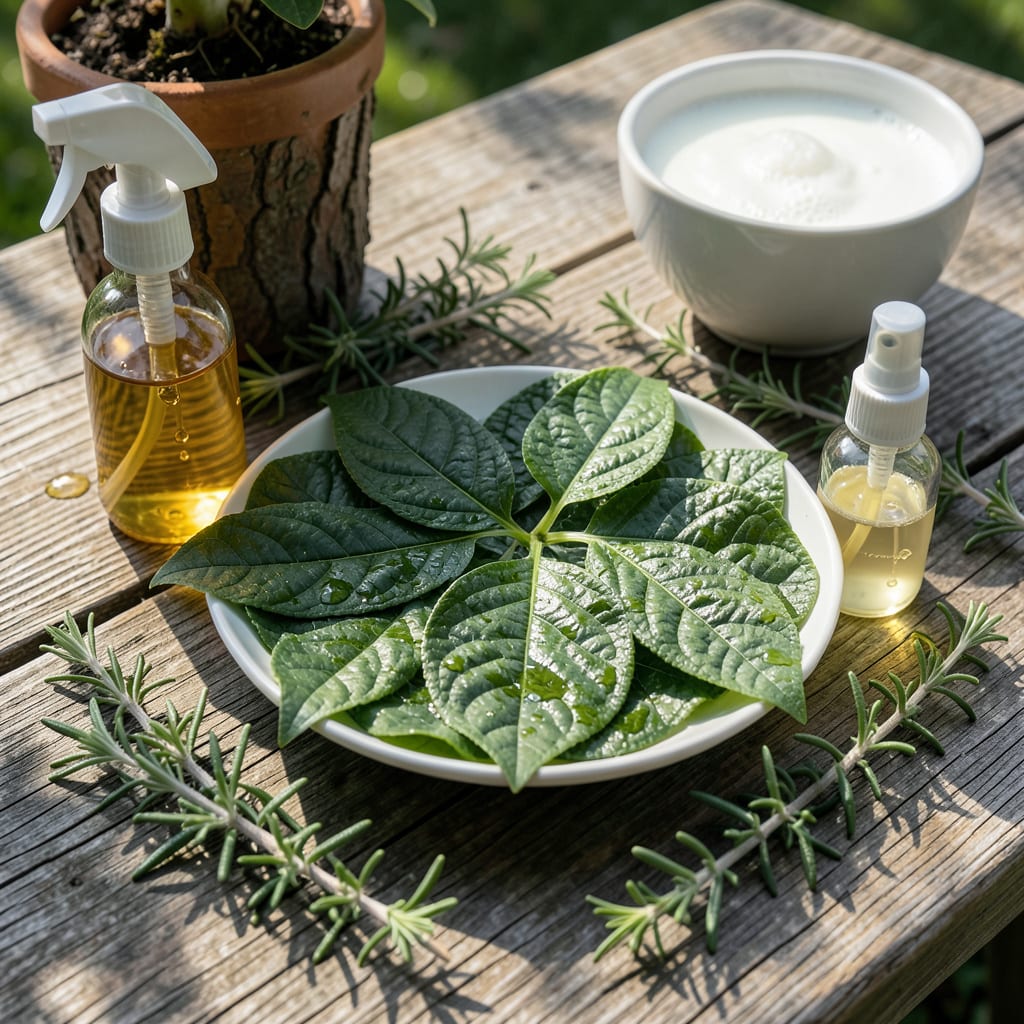
That white powder on your leaves isn’t dust—it’s a fungus throwing a party on your plants. I’ve lost entire crops to powdery mildew before learning how to stop it in its tracks.
Here’s the thing—this problem spreads fast in humid weather but responds well to simple treatments. A spray bottle, some household items, and 10 minutes of your time can turn the tide.
You’ll see leaves clear up within a week of treatment, with new growth coming in clean. The key is catching it early and staying consistent with your approach.
Works for cucumbers, roses, squash—any plant showing those telltale white spots. Let’s tackle this together.
Powdery mildew is a common fungal disease that thrives under specific conditions. Understanding its causes helps you prevent and address it effectively. Below are the primary triggers for this unsightly white coating on leaves.
This fungus flourishes in environments with 60-90% humidity but low moisture on the leaf surface. Unlike other fungi, powdery mildew doesn’t require water to grow—just high ambient humidity. Stagnant air (common in crowded plantings or indoor settings) traps spores, accelerating infection. Ensure proper spacing and ventilation to disrupt its lifecycle.
Powdery mildew thrives in moderate temperatures (60-80°F or 15-27°C). Daytime warmth encourages spore production, while cooler nights create the ideal humidity balance. Regions with temperate climates or greenhouses often see frequent outbreaks. Monitoring temperature swings can help you preemptively treat vulnerable plants.
Some plants are genetically predisposed to powdery mildew, including roses, cucumbers, squash, zinnias, and phlox. These species have thinner cuticles or slower defensive responses, making them easy targets. If you grow high-risk plants, prioritize resistant cultivars (e.g., ‘Powdery Mildew Resistant’ labeled seeds) and practice vigilant scouting.
While powdery mildew doesn’t need water to germinate, wet leaves can worsen infections by promoting secondary fungal growth. Overhead watering, especially in the evening, prolongs leaf wetness. Switch to drip irrigation or water at the base of plants to keep foliage dry and less inviting to spores.
Powdery mildew may look stubborn, but these targeted fixes will clear it up and keep your plants thriving. Address the root cause first, then apply the right remedy for fast, visible results.
Stagnant air is a breeding ground for mildew. Space plants apart to allow airflow, and prune dense foliage to open up the center. For indoor plants, use a small fan on low to keep air moving. Prevention tip: 💡 Avoid crowding plants—give them room to breathe from the start.
Wet leaves and soggy soil invite fungal growth. Water at the base of the plant (not overhead) and do it in the early morning so leaves dry quickly. If humidity is high, consider a dehumidifier or move plants to a drier spot. Prevention tip: 🌡️ Use a moisture meter to avoid overwatering—most plants prefer soil to dry slightly between waterings.
Start by pruning infected leaves (disinfect your tools with rubbing alcohol between cuts!) and dispose of them in the trash—not compost. Then, apply a treatment: mix 1 tbsp baking soda + 1 tsp dish soap + 1 gallon water, and spray lightly on leaves. Reapply every 7–10 days until gone. Prevention tip: ✨ Regularly inspect leaves (especially undersides) to catch mildew early.
Stressed plants are more vulnerable. Fertilize with a balanced, organic option (like compost tea) to strengthen their defenses. Ensure they’re getting the right light—too much shade can weaken them. Prevention tip: 🎯 Rotate crops annually if growing outdoors to prevent fungal buildup in soil.
No, a properly diluted baking soda solution (1 tbsp per gallon of water) is safe for most plants. Always test on a small area first and apply in the early morning to prevent leaf burn.
Yes, but dilute it carefully—1 tbsp white vinegar per gallon of water. Vinegar’s acidity can be harsh, so avoid using it on sensitive plants or during peak sun. Reapply every 5-7 days.
With consistent treatment, you’ll typically notice a reduction in 3-5 days. Full recovery may take 1-2 weeks, depending on the severity. Remove heavily infected leaves to speed up progress.
Recurring mildew usually signals poor airflow or high humidity. Increase spacing between plants, improve ventilation, and water at the base to keep foliage dry.
