
Beautiful Plants For Your Interior
Beautiful Plants For Your Interior
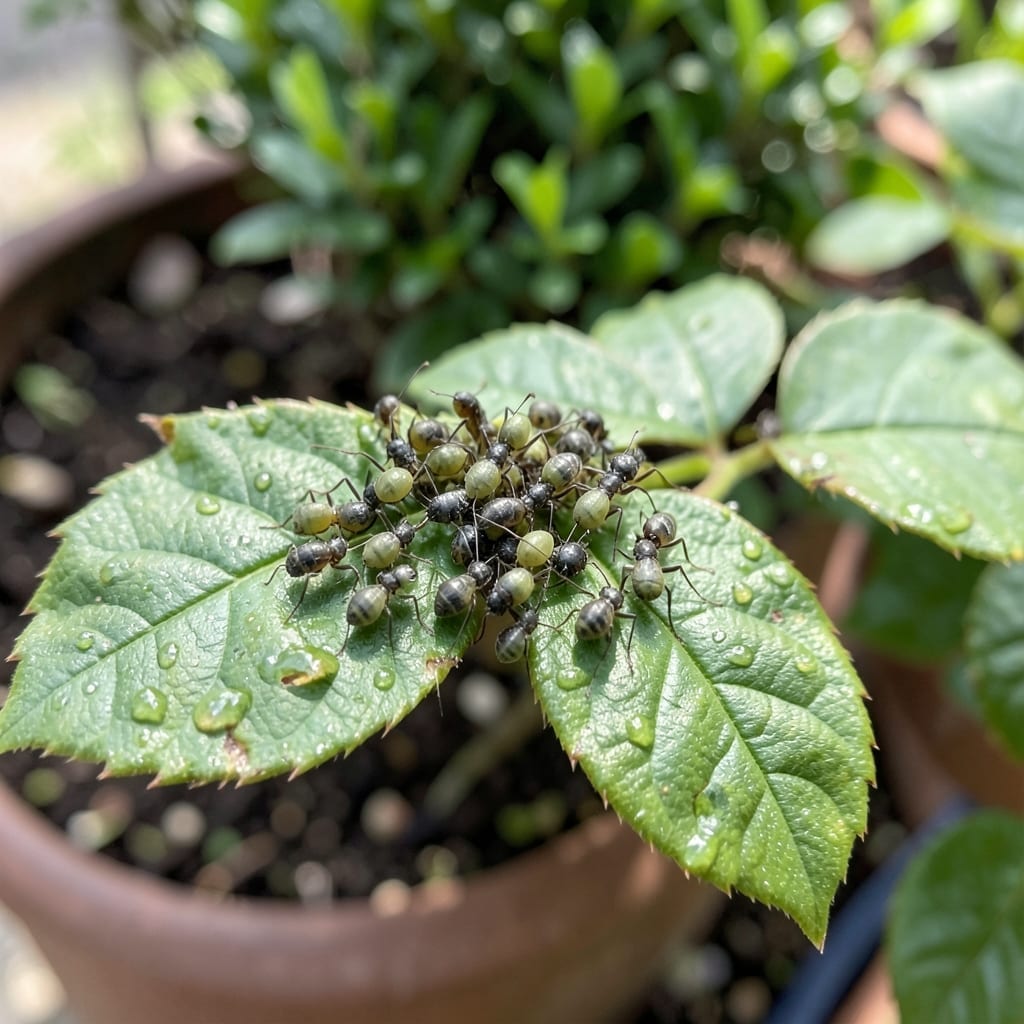
Those tiny green dots on your potting soil aren’t soil—they’re trouble. 🌱 I lost three potted roses to aphids before discovering the neem oil trick that saves plants without harsh chemicals.
Outdoor pots are aphid magnets because the pests love the confined space and consistent moisture. The solution is simpler than you think: a weekly spray of diluted neem oil disrupts their life cycle before they multiply.
You’ll notice the difference within 48 hours—new growth stays uncurled, and the sticky residue disappears. The treatment works on everything from petunias to pepper plants.
Prevention is even easier: inspect leaves weekly and keep ants away (they farm aphids). This method protects your pots all season.
Aphids thrive on outdoor potted plants due to a mix of environmental and plant health factors. Understanding these triggers helps you prevent and manage outbreaks effectively.
Excess nitrogen in soil promotes tender, new growth—aphids’ favorite food. These pests are drawn to the high sap content in soft, succulent leaves, which they pierce to feed. Action: Balance your fertilizer with phosphorus and potassium to toughen plant tissues and deter aphids.
Both overwatering and underwatering stress plants, weakening their natural defenses. Stressed plants emit volatile organic compounds (VOCs) that attract aphids. Action: Maintain consistent moisture levels and avoid wetting foliage, which can also encourage fungal growth that aphids exploit.
Outdoor potted plants often lack the biodiversity of in-ground gardens, reducing the presence of aphid predators like ladybugs, lacewings, and parasitic wasps. Without these checks, aphid populations explode. Action: Introduce beneficial insects or plant companion species (e.g., marigolds or yarrow) to restore balance.
Aphids reproduce rapidly in temperatures between 60–80°F (15–27°C) with low humidity. These conditions speed up their life cycle, leading to crowded colonies on undersides of leaves. Action: Use shade cloth or mist plants lightly to create a less favorable environment for aphids.
Potted plants in poor health or cramped conditions are more susceptible to pests. Aphids target weak plants because their defenses (like thick cuticles or bitter compounds) are compromised. Action: Space pots adequately, prune regularly, and ensure plants receive proper light and nutrients.
Tackle aphid infestations on your outdoor potted plants with these targeted solutions, each mapped to its root cause. Act fast to restore your plants’ health! 🌿
Dense foliage traps moisture and blocks airflow, creating an aphid paradise. Fix: Prune overgrown stems and space pots at least 12–18 inches apart. Trim back leggy growth to improve air circulation and reduce hiding spots for pests. Prevention tip: 💡 Avoid over-planting containers—give each plant room to breathe.
Aphids thrive in damp conditions, especially when leaves stay wet. Fix: Water at the base of the plant in the early morning so foliage dries quickly. Switch to drip irrigation or a soaker hose if overhead watering is your usual method. Prevention tip: ✨ Use well-draining soil and pots with drainage holes to prevent soggy roots.
Stressed or malnourished plants are aphid magnets. Fix: Apply a balanced, slow-release fertilizer to strengthen your plants. Opt for organic options like compost tea or fish emulsion for a gentle nutrient boost. Prevention tip: 🎯 Regularly check for yellowing leaves or stunted growth—early signs of plant stress.
For active aphid colonies, act fast with DIY or organic treatments. Fix: Spray plants with a neem oil solution (1 tbsp neem oil + 1 tsp dish soap + 1 quart water) every 5–7 days until pests are gone. Alternatively, blast aphids off with a strong jet of water. Prevention tip: 🌡️ Inspect new plants before bringing them near others to avoid spreading pests.
No ladybugs or lacewings? Your plants are missing their natural defenders. Fix: Plant aphid-repelling companions like marigolds, basil, or nasturtiums nearby. You can also purchase ladybugs or lacewing larvae from garden centers. Prevention tip: 🔥 Avoid broad-spectrum pesticides—they kill beneficial insects too!
Inspect leaves, especially undersides, at least once a week. Early detection prevents large infestations.
A mild dish soap solution (1 tsp per 1 quart of water) can work for small outbreaks. Avoid harsh soaps that may damage leaves.
Reinfestations often happen from nearby colonies or ants farming them. Remove ant trails and treat surrounding plants too.
Yes, tender new growth on roses, petunias, and peppers are prime targets. Strengthen these with balanced fertilization.