
Beautiful Plants For Your Interior
Beautiful Plants For Your Interior
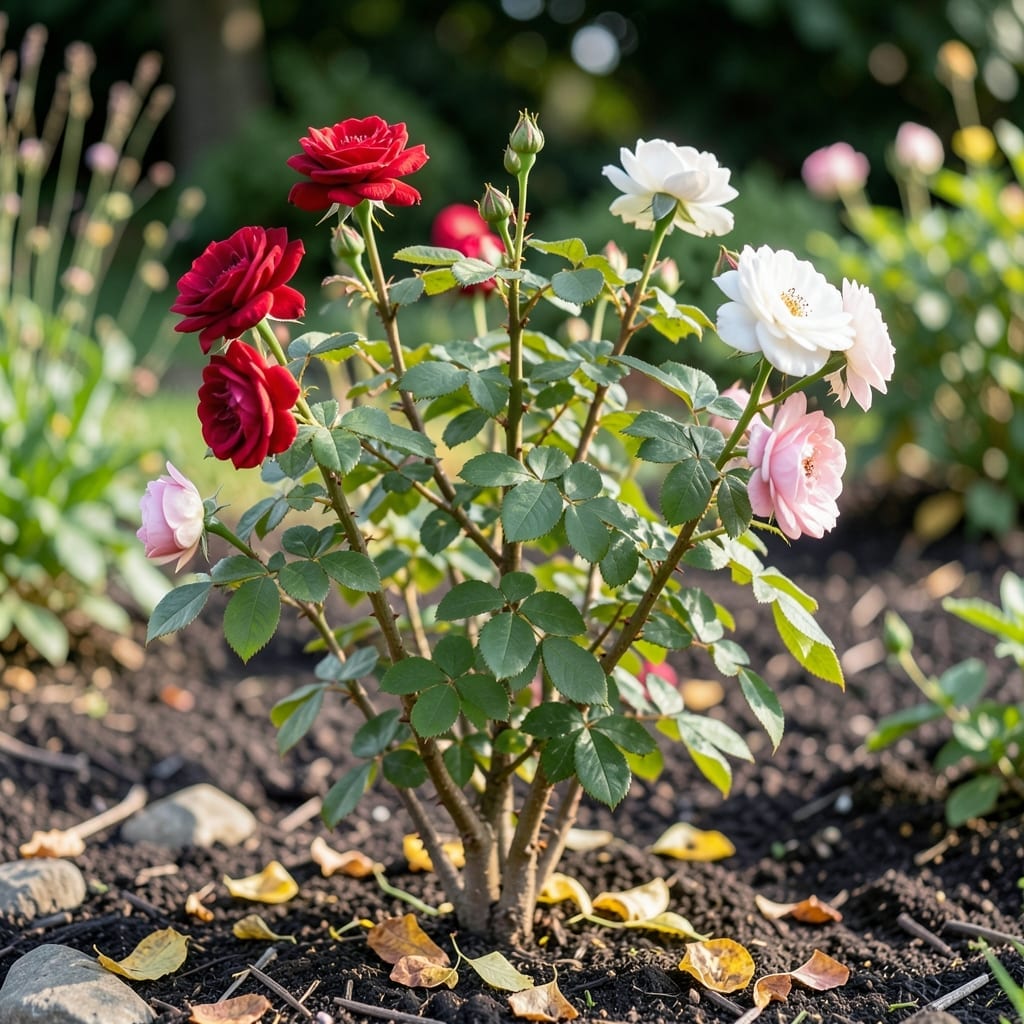
My rose bush looked like a skeleton overnight. 🌿 Black spot, powdery mildew, or just plain stress—each culprit leaves its own calling card on the leaves before they drop.
I’ve brought more than a few roses back from the brink with organic fixes. The key is catching the early signs, then hitting the problem with the right natural treatment before it spreads.
📚 In This Guide
Here’s my go-to method for diagnosing and reviving struggling roses—simple and effective.
Start by checking the undersides of leaves and stems for tiny invaders. Aphids, spider mites, and thrips are frequent culprits. Look for webbing, sticky residue, or speckled damage as telltale signs. I use a magnifying glass—these pests are often too small to spot with the naked eye.
If you find pests, don’t panic. A strong blast of water can dislodge many, but for stubborn infestations, I recommend a neem oil spray applied at dusk to avoid harming beneficial insects. Reapply every 5-7 days until the problem clears.
Roses hate extremes—both drought and soggy soil stress them. Stick your finger 1-2 inches into the soil. If it feels bone dry, your rose is likely thirsty. If it’s mushy, you’re overwatering. I water deeply at the base 2-3 times a week in hot weather, less in cooler months.
Always water in the early morning so foliage dries quickly. Wet leaves overnight invite fungal diseases like black spot, which causes yellowing and leaf drop. A 2-3 inch layer of mulch helps retain moisture and keeps roots cool.
Roses need 6-8 hours of direct sun daily. If yours is in shade, it may drop leaves from lack of energy. On the flip side, intense afternoon sun in extreme heat can scorch leaves. I’ve found that a spot with morning sun and afternoon shade works best in scorching climates.
Poor airflow traps humidity and encourages disease. Prune nearby plants blocking breezes, and space roses 3-4 feet apart. If your rose is in a crowded bed, consider transplanting it to a breezier location. You’ll see improvement in 2-3 weeks.
Nutrient deficiencies often show up as leaf drop. A soil test kit is worth the small investment—it reveals pH and nutrient levels. Roses prefer slightly acidic soil (pH 6.0-6.5). If your soil is off, amend with compost or organic matter to balance it.
Yellow leaves with green veins? That’s classic iron deficiency. I mix chelated iron into the soil or apply a foliar spray. For general health, I top-dress with 1 inch of compost every spring. Healthy soil equals resilient roses that bounce back faster.
Dead or diseased leaves won’t recover, so remove them immediately to prevent spread. Use clean, sharp pruners and cut at a 45-degree angle just above a leaf node. This encourages new growth and improves airflow.
Real talk: If over half the leaves are gone, don’t despair. Roses are tough. Focus on the steps above, and new foliage will emerge in 3-4 weeks. I’ve revived roses that looked like bare sticks—patience and consistency are key.
These practical insights will help you catch problems early and treat them effectively.
The Inspection Trick: In Step 1, use a magnifying glass to spot early signs of trouble. I missed tiny rust pustules once and the disease spread rapidly. Look at leaf undersides too—many problems start there before becoming visible on top.
Pruning Precision: For Step 2, cutting 1-2 inches below damage isn’t just a suggestion—it’s how you ensure you’ve removed all infected tissue. I learned this the hard way after a canker returned because I didn’t prune far enough back. Always sterilize tools between cuts.
Watering Wisdom: The early morning timing in Step 3 is crucial because it gives foliage time to dry before evening humidity sets in. I switched from night watering and saw fungal issues disappear within weeks. Drip irrigation is worth the investment for serious rose growers.
Treatment Timing: That 5-7 day spray interval in Step 4 isn’t arbitrary—it matches the fungal life cycle. Confession: I stretched it to 10 days once and had to start over. Consistency beats intensity with organic treatments.
Yellowing leaves often indicate overwatering, poor drainage, or nutrient deficiencies. Check soil moisture and adjust watering habits. A balanced organic fertilizer can help restore health.
Yes! With proper care—adequate water, sunlight, and organic treatments—roses can regrow leaves. Prune dead branches and ensure the plant isn’t stressed by pests or disease.
Neem oil or compost tea can combat pests and fungi naturally. Apply weekly until symptoms improve. Also, remove fallen leaves to prevent disease spread.
Water deeply 1-2 times per week, depending on climate. Morning watering is best to avoid fungal growth. Always check soil moisture before watering again.
Yes! Disease-resistant varieties like Knock Out® or Earth-Kind® roses are hardier. They require less maintenance and are less prone to common issues causing leaf loss.