
Beautiful Plants For Your Interior
Beautiful Plants For Your Interior
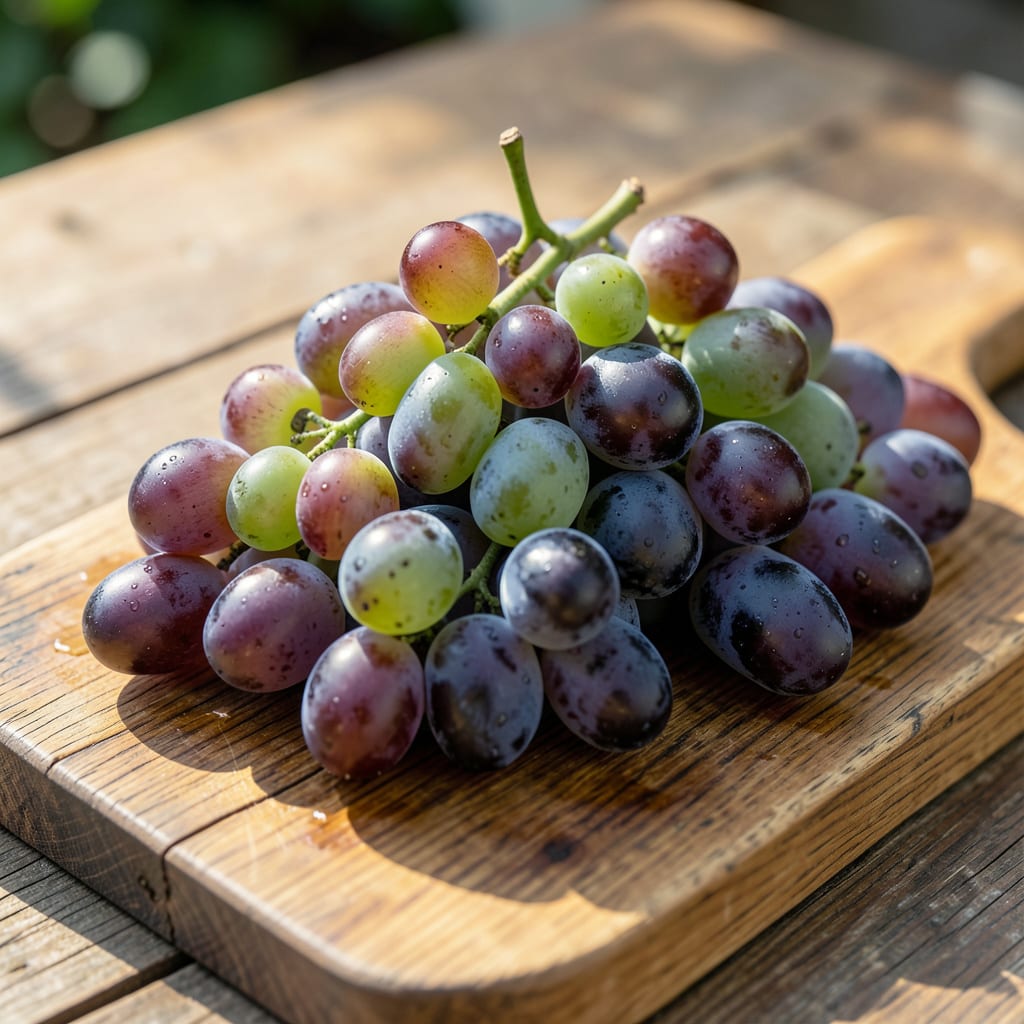
Those dark spots on your grape leaves aren’t just ugly—they’re a warning. Black spot is usually anthracnose or black rot, and ignoring it means losing next year’s harvest.
I first noticed it on my Concord vines three seasons ago. The leaves looked scorched, then the fruit started dropping before ripening. The fix starts with removing all infected material and keeping the vines dry.
Organic solutions like copper sprays and baking soda mixes work if you catch it early. Better airflow through proper pruning stops it from spreading next season.
Left unchecked, this fungus overwinters in fallen leaves and strikes again next spring. Here’s how to break the cycle for good.
Black spots on grapes can stem from several biological and environmental factors. Below are the primary causes, explained with scientific clarity to help you identify and address the issue.
The most common culprit is Phomopsis viticola, a fungus that thrives in warm, humid conditions. It infects grapevines through wounds or natural openings, leading to black, sunken lesions on berries. Another offender, Guignardia bidwellii (black rot), causes circular black spots with purplish halos, often spreading rapidly in wet weather.
Prolonged exposure to excess moisture (rain, poor drainage, or high humidity) weakens grape skins, making them susceptible to fungal spores. Similarly, heat stress or sunburn can cause localized cell death, appearing as dark, dry spots. These are often irregular and lack the defined edges of fungal infections.
Overuse of pesticides or herbicides can burn grape tissues, creating blackened areas. Physical injuries from hail, harvesting tools, or rough handling also invite secondary infections, accelerating spot formation. Always inspect for cracked skins or bruises as entry points for pathogens.
Identifying the root cause is the first step toward effective organic revival strategies.
Tackle those unsightly black spots on your grapes with these targeted solutions. Each cause has a clear fix—plus prevention tips to keep your vines healthy long-term.
If the spots are caused by anthracnose or downy mildew, spray affected vines with copper-based fungicides or neem oil at the first sign of trouble. Reapply every 7–10 days during wet seasons. Prevention tip: Prune vines to improve airflow and reduce humidity, which fungi love. 💡 Remove fallen leaves to eliminate fungal spores.
Soggy soil invites rot and spots. Switch to drip irrigation to water at the base, keeping leaves dry. Ensure your vineyard has good drainage—amend heavy clay soil with compost. Prevention tip: Water in the early morning so foliage dries by noon. ⏰
Pests like thrips or mites can create entry points for infections. Use insecticidal soap or release ladybugs and lacewings to control populations. Prevention tip: Inspect vines weekly and remove pests by hand when spotted. ✨
Extreme heat or cold weakens grapes, making them vulnerable. Apply mulch to regulate soil temperature and shade cloth during heatwaves. Prevention tip: Feed vines with balanced organic fertilizer to boost resilience. 🌿
Yes, but only if they’re minor surface blemishes. Cut away any sunken or moldy areas first. Heavily infected fruit should be discarded, as fungi can produce toxins.
Fungal spores travel fast in wet conditions. Without treatment, nearby vines can show signs within 1-2 weeks. Prune infected areas immediately and improve airflow to slow the spread.
if left unchecked. Fungi overwinter in fallen leaves and canes. Remove all debris after harvest and apply dormant oil spray in early spring to prevent recurrence.
