
Beautiful Plants For Your Interior
Beautiful Plants For Your Interior
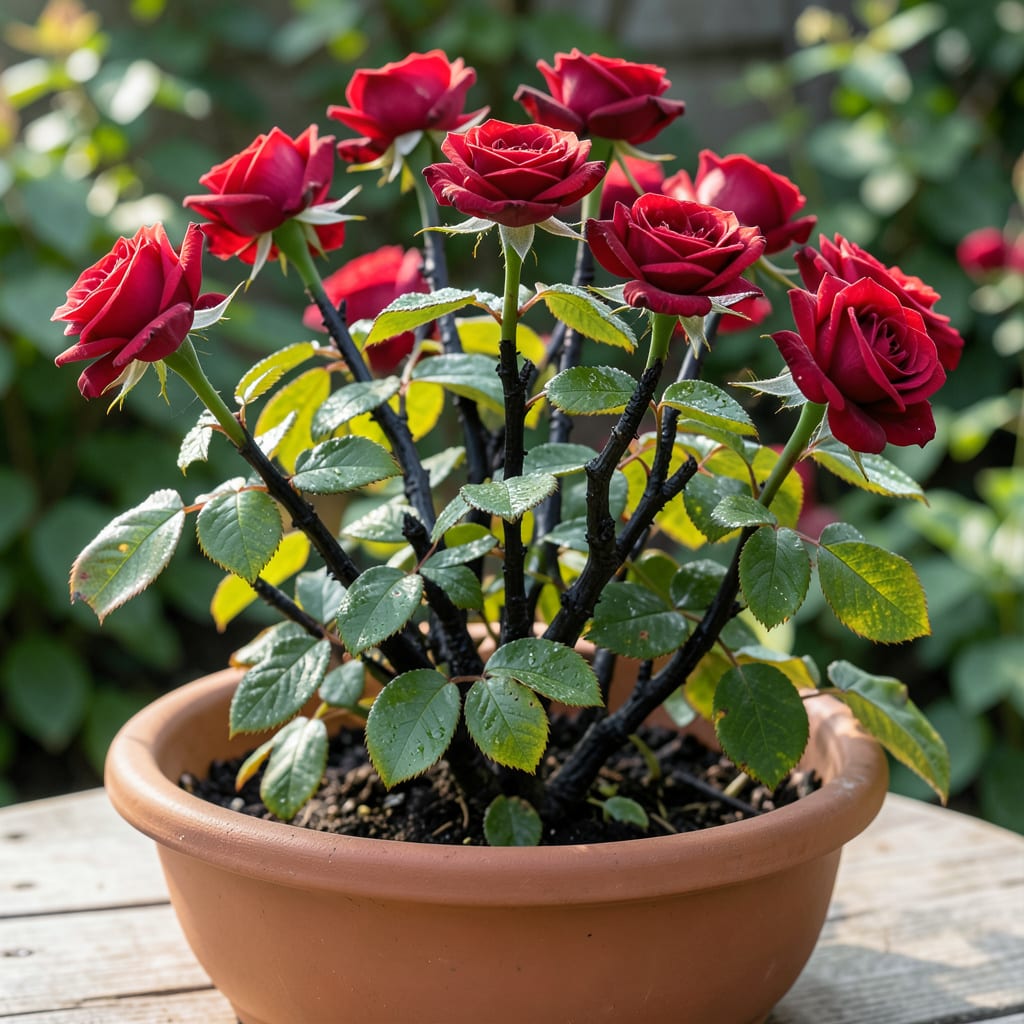
Black stems on your rose bush are a distress signal, not a death sentence. I’ve saved countless roses by catching this early—usually it’s fungus, frost, or a sneaky pest working behind the scenes.
The good news? Most cases are fixable with organic treatments and better growing conditions. Prune the blackened parts immediately to stop the spread, then dig into why it happened in the first place.
You’ll often see new healthy growth within 2-3 weeks once you address the root cause. The key is acting fast and staying consistent with prevention.
Works for all rose types, whether you’re growing climbers, shrubs, or hybrid teas. Let’s get those stems green again.
Black stems on rose bushes are a distress signal, often tied to environmental stress or disease. Below are the most common causes, explained with actionable insights.
Canker diseases (e.g., Botryosphaeria or Coniothyrium) are primary culprits. These fungi enter through wounds or pruning cuts, blocking the plant’s vascular system. Infected stems darken, dry out, and may ooze sap. Prevention: Sterilize pruning tools with rubbing alcohol and remove infected wood immediately.
Freezing temperatures rupture plant cells, leading to blackened, shriveled stems. Roses in harsh climates (USDA Zones 3–6) are especially vulnerable. Solution: Apply a thick layer of mulch (4–6 inches) around the base in late fall to insulate roots and stems.
Soggy soil suffocates roots, promoting Phytophthora root rot. As roots decay, they fail to deliver water and nutrients, causing stems to blacken and collapse. Fix: Ensure containers have drainage holes and amend heavy clay soil with compost to improve aeration.
Sap-sucking pests like rose stem girdlers or bark beetles weaken stems, making them susceptible to secondary infections. Look for tiny entry holes or sawdust-like frass. Action: Prune out infested stems below the damage and apply horticultural oil to deter pests.
Intense sunlight can scorch stems, especially in young or newly transplanted roses. Blackened patches often appear on south-facing sides. Remedy: Provide afternoon shade with a shade cloth (30–50% opacity) during heatwaves.
Act fast to save your roses! Below are targeted fixes for each common cause of black stems, paired with prevention tips to keep your bushes thriving. 🌹
If black spots or cankers appear, remove infected stems immediately with sterilized pruners (dip in rubbing alcohol between cuts). Dispose of debris away from the garden. Apply copper fungicide or a baking soda spray (1 tbsp baking soda + 1 tsp dish soap + 1 gallon water) every 7–10 days until symptoms fade.
Prevent it: Improve airflow by spacing plants 3–4 feet apart. Water at the base in the morning to keep foliage dry. 💡
After a freeze, wait until spring to prune damaged stems—healthy tissue may still emerge. Mulch heavily with straw or leaves to insulate roots. For potted roses, move them to a sheltered spot or wrap containers in burlap.
Prevent it: Cover bushes with frost cloth before cold snaps. Avoid late-season fertilizing, which encourages tender new growth. ❄️
Let soil dry slightly between waterings. If the root zone stays soggy, stop watering and amend heavy clay soil with compost or sand. For container roses, ensure pots have drainage holes.
Prevent it: Use a moisture meter or the finger test (stick your finger 2 inches into soil—if it’s damp, wait). Water deeply but less frequently. 💧
Check for aphids, scale, or borers. Blast pests off with water or apply neem oil or insecticidal soap. For borers, prune out infested stems and burn them. Introduce beneficial insects like ladybugs.
Prevent it: Inspect stems weekly. Encourage biodiversity with companion plants like marigolds or garlic. 🐞
Yellowing leaves with black stems often signal a lack of potassium or phosphorus. Apply a balanced organic fertilizer (5-10-5) or work compost into the soil. Avoid high-nitrogen feeds, which promote weak growth.
Prevent it: Test soil every 2–3 years. Top-dress with worm castings or banana peels (for potassium) monthly in growing season. 🌱
Scratch the stem lightly with your fingernail. If it’s green underneath, it’s still alive. If it’s brown or black, the stem is dead and should be pruned away. Always check multiple spots for accuracy.
Yes, especially with fungal infections like canker. Remove affected stems immediately and dispose of them far from your garden. Sterilize pruning tools between cuts to prevent contamination.
Most roses bounce back quickly with proper care. Focus on watering at the base and providing afternoon shade if needed. New growth typically appears within 2-3 weeks.
Early morning is ideal. This allows foliage to dry before evening, reducing fungal risks. Avoid overhead watering—always aim for the soil at the plant’s base.
