
Beautiful Plants For Your Interior
Beautiful Plants For Your Interior
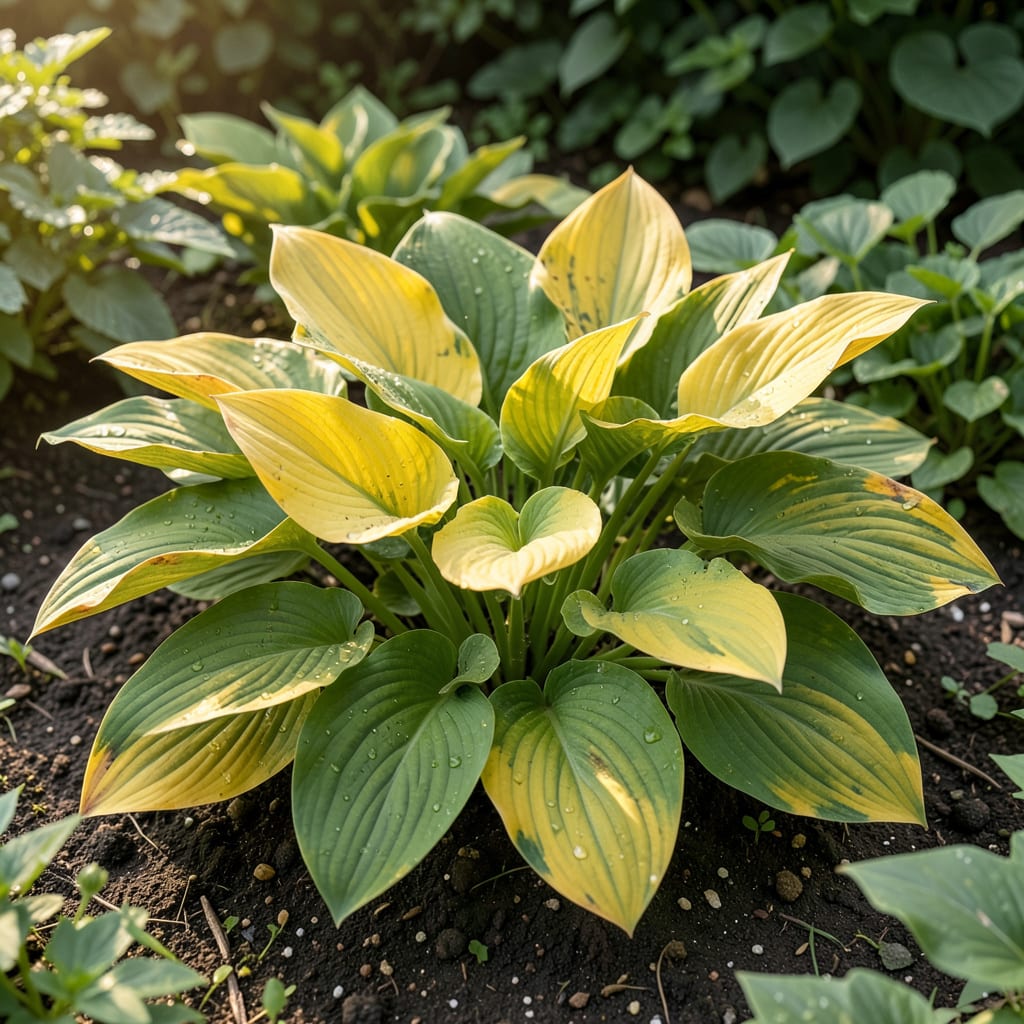
Yellow hosta leaves hit me hard last summer. I’d babied those plants for years, so seeing them fade was frustrating. Turns out, most causes are fixable once you know what to look for.
Overwatering, poor drainage, or even too much sun can turn leaves yellow. Sometimes it’s pests or nutrients missing from the soil. The good news? Hostas are tough and bounce back fast with the right care.
I fixed mine by adjusting water, checking light, and boosting soil health. Within 2-3 weeks, fresh green growth replaced the yellow. Simple changes, big results.
This method works for any hosta variety, in any garden setup. Let’s get those plants thriving again.
Hostas are hardy, but their lush green leaves can turn yellow due to several stress factors. Here’s a breakdown of the most common causes, explained simply so you can diagnose and fix the issue.
Too much water suffocates the roots, preventing them from absorbing oxygen. This leads to root rot, a fungal issue that blocks nutrient uptake. Signs: Yellowing starts at the base of the plant, and leaves may feel mushy. Hostas thrive in moist but well-draining soil—if your soil stays soggy, amend it with compost or organic matter to improve drainage.
Hostas are shade-loving plants. When exposed to direct, intense sunlight (especially afternoon sun), their leaves can scorch, turning yellow or brown. Solution: Relocate the plant to a spot with dappled or partial shade, or use shade cloth to filter harsh light. Blue and green hosta varieties are especially sun-sensitive.
Yellow leaves often signal a lack of essential nutrients. Nitrogen deficiency causes uniform yellowing (starting with older leaves), while iron or magnesium deficiency leads to yellowing between the veins (interveinal chlorosis). Fix: Test your soil and apply a balanced, slow-release fertilizer (10-10-10) or organic options like compost tea or fish emulsion.
Sap-sucking pests like aphids, slugs, or spider mites drain nutrients from hosta leaves, causing yellowing, curling, or distortion. Check undersides of leaves for pests or their sticky residue (honeydew). Action: Blast pests off with water, apply neem oil, or use organic slug baits (like iron phosphate).
Pathogens like anthracnose, leaf spot, or crown rot can turn leaves yellow, often with brown or black spots. These thrive in wet, humid conditions. Prevent spread: Remove infected leaves, avoid overhead watering, and improve air circulation. Copper-based fungicides can help in severe cases.
Reviving your hostas starts with pinpointing the issue. Below are targeted fixes for the most common causes, plus tips to keep your plants thriving long-term.
Fix: Let the soil dry slightly between waterings. If the soil stays soggy, improve drainage by mixing in compost or perlite. For potted hostas, ensure containers have drainage holes. Trim any black, mushy roots with clean shears and repot in fresh, well-draining soil.
Prevention: Water deeply but less frequently—about 1 inch per week—and always check the top inch of soil first. 💡 Pro tip: Use a moisture meter to avoid guesswork.
Fix: Move hostas to a shadier spot, especially during peak afternoon sun. If transplanting isn’t an option, use shade cloth (30-50% shade) to protect them. Mulch with organic material like bark or straw to keep roots cool and retain moisture.
Prevention: Plant hostas in partial to full shade from the start. In hot climates, choose sun-tolerant varieties like ‘Halcyon’ or ‘Blue Angel.’
Fix: Test your soil with a home kit to identify shortages. For nitrogen deficiency (pale yellow leaves), apply a balanced, slow-release fertilizer (10-10-10). For iron deficiency (yellowing between veins), use a chelated iron supplement or amend soil with compost.
Prevention: Feed hostas in early spring with compost or organic fertilizer. Repeat mid-season if leaves show signs of stress. ✨ Pro tip: Avoid over-fertilizing—it can burn roots and worsen the problem.
Fix: For slugs, set up beer traps or sprinkle diatomaceous earth around plants. Use deer repellent sprays or install a fence for larger pests. For insects like aphids, spray with neem oil or insecticidal soap, focusing on the undersides of leaves.
Prevention: Keep the garden free of debris where pests hide. Plant deer-resistant varieties like ‘Francee’ or ‘Patriot’ in high-risk areas.
Fix: Remove and destroy infected leaves to prevent spread. For fungal issues (e.g., anthracnose), apply a copper-based fungicide. Improve air circulation by thinning crowded plants. For bacterial leaf blight, avoid overhead watering and use a bactericide if needed.
Prevention: Water at the base of the plant and space hostas 18-24 inches apart. Clean up fallen leaves in autumn to reduce overwintering pathogens.
Check the soil: if it feels soggy or smells sour, overwatering is likely. Yellowing starts at the base with mushy leaves. Let soil dry slightly between waterings.
Yes! Move them to shade immediately and trim damaged leaves. New growth will be green if the roots are healthy. Use shade cloth for gradual adjustment.
Apply a balanced 10-10-10 fertilizer or compost tea. For iron deficiency, use chelated iron. Results appear in 1-2 weeks with proper care.
Use beer traps or sprinkle diatomaceous earth around plants. Handpick slugs at night when they’re most active. Copper tape barriers also work well.
