
Beautiful Plants For Your Interior
Beautiful Plants For Your Interior
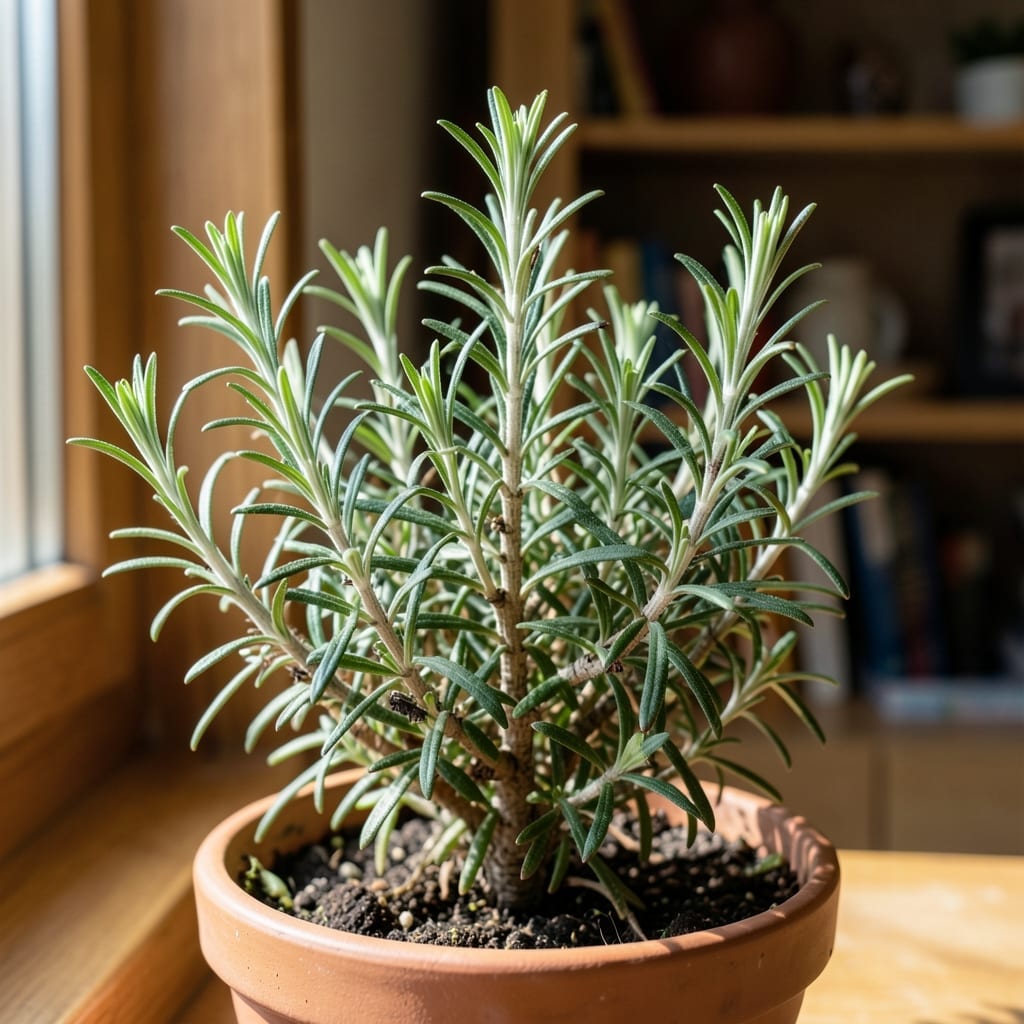
That sinking feeling when your rosemary turns black hits hard. I’ve been there—healthy green one week, dark and crispy the next. The culprit is usually overwatering or soggy soil, but frost and fungus can strike too.
Here’s the thing—rosemary hates wet feet. Roots rot, stems blacken, and the plant gives up. I killed three before realizing they thrive on neglect, not attention. Dry soil between waterings is non-negotiable.
You’ll spot the difference: soft black stems mean rot, while dry black tips scream drought. The fix starts with well-draining soil and a pot with holes. No exceptions.
Fair warning: once it goes black, some damage is permanent. But catch it early, adjust your care, and your rosemary can bounce back stronger than ever.
Rosemary turning black is often a sign of underlying stress, usually tied to environmental or care-related factors. Below are the most common causes, explained with actionable insights to help you diagnose and fix the issue.
Rosemary is a drought-tolerant Mediterranean herb that thrives in dry conditions. Overwatering or poorly draining soil can lead to root rot, where fungal pathogens (like Phytophthora or Pythium) attack the roots. This cuts off nutrient and water uptake, causing the foliage to turn black as cells die from oxygen deprivation. Fix: Ensure pots have drainage holes, use a gritty, well-draining soil mix, and water only when the top 1–2 inches of soil are dry.
Sudden cold snaps (below 30°F/-1°C) or prolonged exposure to freezing temperatures can cause frost damage, turning rosemary leaves black and brittle. Conversely, heat stress from temperatures above 90°F (32°C)—especially with high humidity—can scorch the plant. Fix: Protect plants with frost cloth in winter or provide afternoon shade during heatwaves.
High humidity or wet foliage creates ideal conditions for fungal diseases like Alternaria or Botrytis (gray mold). These pathogens manifest as black or dark brown spots that spread rapidly. Fix: Improve air circulation, avoid overhead watering, and apply a copper-based fungicide if needed.
While less common, excess nitrogen or a calcium/magnesium deficiency can cause blackening. Too much nitrogen leads to soft, vulnerable growth, while a lack of calcium weakens cell walls. Fix: Use a balanced, slow-release fertilizer and test soil pH (aim for 6.0–7.0).
If your rosemary is turning black, don’t panic—there are clear fixes for each underlying cause. Below are targeted solutions to nurse your plant back to health, along with prevention tips to keep it thriving.
Let the soil dry out completely between waterings. Rosemary is drought-tolerant and hates soggy roots. Stick your finger 2 inches into the soil—if it’s dry, it’s time to water. Fix: Stop watering immediately and move the plant to a sunny, well-ventilated spot to help the soil dry faster. If the roots are mushy or black, trim them and repot in fresh, well-draining soil.
Prevention: Use terracotta pots (they wick away moisture) and ensure the container has drainage holes. A moisture meter can also help avoid guesswork. 💡 Pro tip: Water deeply but infrequently—once every 1-2 weeks is plenty for established plants.
Fungal issues like root rot or leaf spot thrive in damp, stagnant conditions. Fix: Remove any blackened or mushy stems and leaves with clean shears. Treat the plant with a copper-based fungicide or a DIY mix of 1 tsp baking soda + 1 quart water + a drop of dish soap. Spray every 7-10 days until symptoms subside.
Prevention: Space plants at least 12 inches apart for airflow, and water at the base (not the leaves) to keep foliage dry. Prune regularly to open up the center of the plant. 🌡️ Pro tip: Avoid overhead watering in the evening—damp leaves overnight invite fungi.
Rosemary can’t handle freezing temps. Fix: If frost has turned leaves black, prune the damaged parts and move the plant indoors or to a sheltered area (like a greenhouse or covered porch). Gradually reintroduce it to sunlight to avoid shock.
Prevention: In colder climates, grow rosemary in containers so you can bring it inside before the first frost. Use frost cloths or mulch heavily around outdoor plants in mild winters. ✨ Pro tip: A south-facing window indoors gives it the light it needs to recover.
Heavy or clay soil suffocates roots. Fix: Gently remove the plant, shake off old soil, and repot in a mix of 60% potting soil + 40% perlite or sand for drainage. Add a handful of compost for nutrients.
Prevention: Always use well-draining soil, and refresh the top layer every spring. If planting in the ground, amend the soil with grit or organic matter first. 🎯 Pro tip: Raised beds are ideal for rosemary—they prevent waterlogging and improve drainage.
Water only when the top 1-2 inches of soil are completely dry. This typically means once every 1-2 weeks, depending on your climate and pot size.
If the roots are still firm and white, prune the black parts and adjust care. The plant can regrow from healthy stems. But if the entire plant is mushy, it’s likely beyond saving.
Use a well-draining mix of 60% potting soil and 40% perlite or sand. Add compost for nutrients, but avoid heavy or clay-based soils that retain too much moisture.
Improve airflow by spacing plants 12 inches apart and water at the base. Avoid overhead watering in the evening to keep foliage dry.