
Beautiful Plants For Your Interior
Beautiful Plants For Your Interior
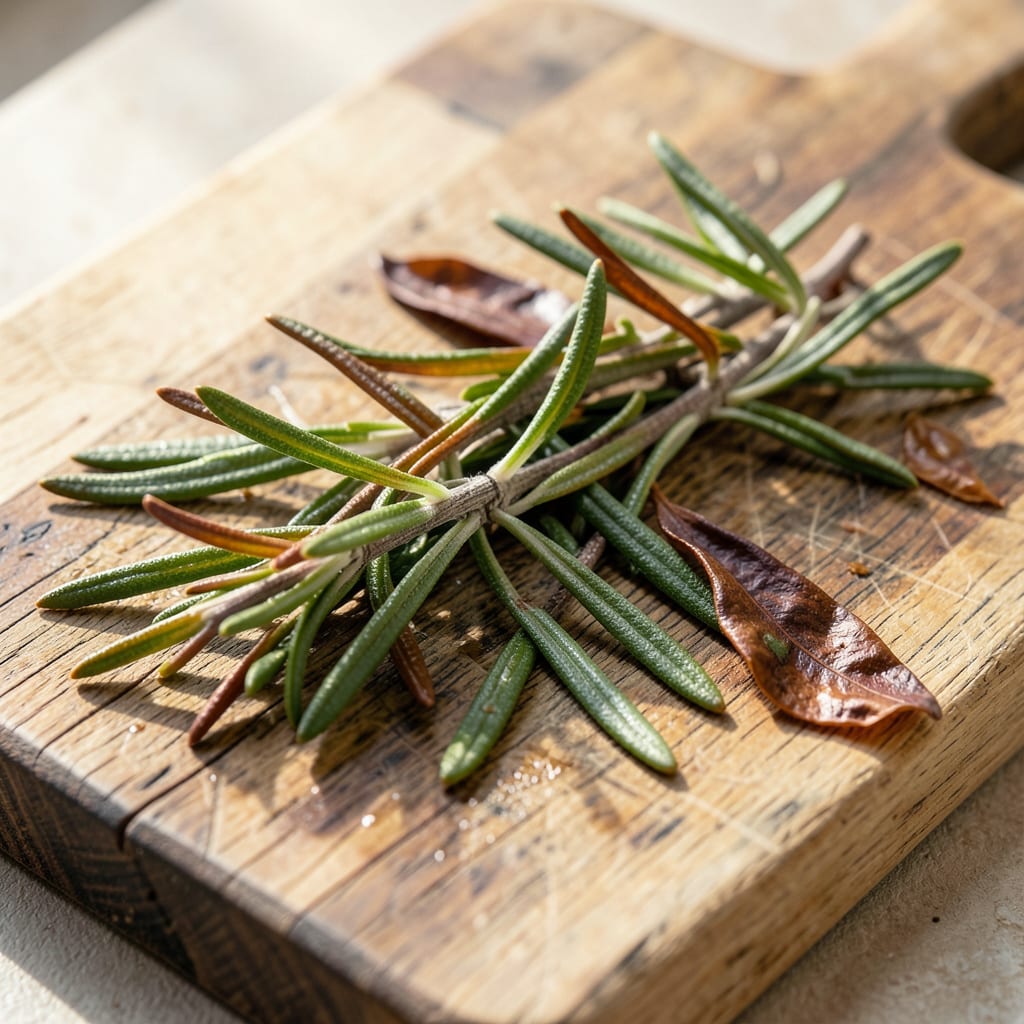
Brown leaves on rosemary always mean one thing: your plant is screaming for help. I’ve saved dozens from this exact fate, and the fix is usually simpler than you think.
Most cases come down to water—either too much or too little. Rosemary hates wet feet but also won’t tolerate bone-dry soil for long. The leaves turn crispy at the tips first, then work their way inward.
Sunlight matters too. Without 6-8 hours of direct light daily, the plant weakens and those lower leaves brown off. Even full-sun lovers need protection from scorching afternoon rays in peak summer.
Catch it early and your rosemary bounces back fast. Ignore it, and you’ll be shopping for a replacement within weeks.
Brown leaves on your rosemary plant are a sign that something is amiss. Here are the most likely culprits:
Rosemary is a Mediterranean herb that thrives in dry, well-drained soil. Overwatering or poor drainage leads to root rot, which prevents the roots from absorbing oxygen and nutrients. This stress manifests as brown, wilting leaves. Ensure your pot has drainage holes and use a sandy, loamy soil mix to prevent waterlogging.
While rosemary loves sunlight, intense, direct heat (especially in scorching climates) can scorch its leaves, turning them brown and crispy. This is often called sunburn. If your plant is in a container, move it to a spot with partial shade during peak afternoon hours.
Too little water can also cause browning, especially if the soil dries out completely. Rosemary is drought-tolerant but not drought-proof. Check soil moisture by inserting your finger an inch deep—if it’s bone-dry, it’s time to water. Low humidity can also dry out leaves, so misting occasionally may help in arid environments.
Fungi like Phomopsis or Botrytis thrive in damp conditions and can cause brown spots or patches on leaves. Improve air circulation around the plant, avoid wetting the foliage when watering, and remove any infected leaves immediately to prevent spread.
Pests such as spider mites or aphids suck sap from the leaves, leading to discoloration and browning. Inspect the undersides of leaves for tiny webs or bugs. Treat with neem oil or insecticidal soap for a natural solution.
If your rosemary’s leaves are turning brown, don’t worry—most issues are fixable with a few simple adjustments. Below are targeted solutions for the most common causes, along with prevention tips to keep your plant thriving.
Fix: Check the soil moisture. If it’s bone-dry, water deeply until it drains from the bottom, then let the top 1–2 inches dry out before watering again. If the soil is soggy, stop watering immediately and let it dry. For severe overwatering, repot the plant in fresh, well-draining soil.
Prevention: Use a moisture meter or the finger test (stick your finger in the soil) to gauge water needs. Rosemary prefers dry conditions, so err on the side of underwatering. Ensure pots have drainage holes.
Fix: Move potted rosemary to a spot with 6–8 hours of direct sunlight daily. If it’s scorched from intense midday sun, provide afternoon shade. For indoor plants, place near a south-facing window or use a grow light.
Prevention: Acclimate rosemary gradually to new light conditions to avoid shock. Rotate pots weekly for even sun exposure.
Fix: Rosemary thrives in 60–75°F. If indoors, keep it away from drafts, heaters, or AC vents. Outdoors, protect it from frost with a cloche or mulch. For dry air, mist lightly or place a tray of water with pebbles nearby.
Prevention: Monitor temperature fluctuations. In winter, bring potted rosemary indoors before the first frost.
Fix: Inspect leaves for spider mites, aphids, or whiteflies. Spray with neem oil or insecticidal soap weekly until pests are gone. For fungal problems (like powdery mildew), improve airflow and avoid wetting the leaves. Prune affected areas with sterilized shears.
Prevention: Keep the plant clean and avoid overcrowding. Water at the base to keep foliage dry.
With these adjustments, your rosemary should bounce back in 2–4 weeks. Consistency is key—stick to a care routine and observe how your plant responds!
Water when the top 1-2 inches of soil feel dry. Typically, this means watering every 1-2 weeks, but adjust based on your climate and pot size. Always ensure excess water can drain freely.
No, once leaves turn brown, they won’t recover. Remove them to help the plant focus energy on healthy growth. Prevent future browning by addressing water, light, or humidity issues.
Underwatering is safer. Rosemary thrives in dry conditions and can handle brief droughts. Overwatering often leads to root rot, which is harder to fix than dry soil.
Use a well-draining mix with sand or perlite. A blend of 60% potting soil and 40% sand/perlite works well. Avoid heavy, clay-rich soils that retain moisture.
