
Beautiful Plants For Your Interior
Beautiful Plants For Your Interior
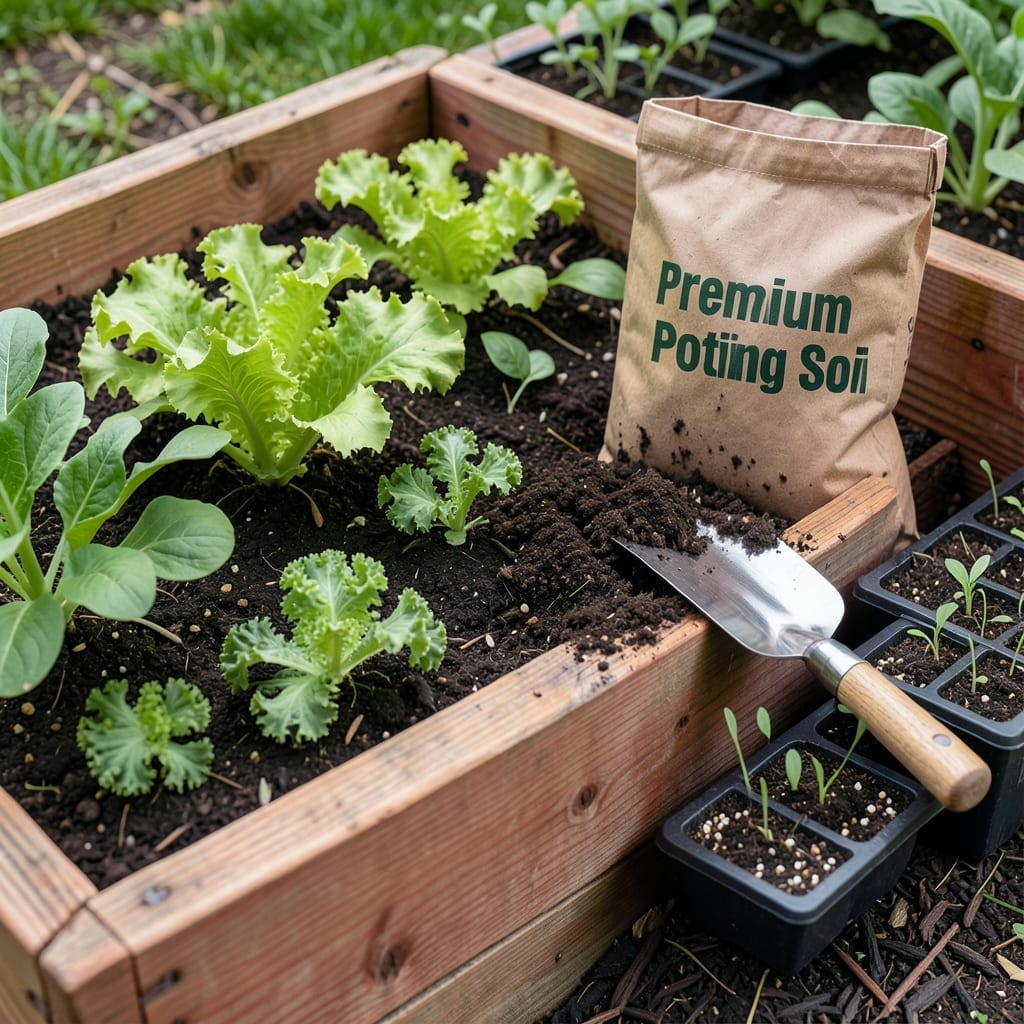
Your raised beds hold immense potential, but are you giving them the foundation they need to thrive? The soil you choose can transform your gardening experience from frustrating to phenomenal.
Unlike traditional in-ground planting, raised beds require a specialized mix for proper drainage and aeration. I’ve seen firsthand how the right composition turns struggling plants into vibrant, productive ones.
We’ll explore what makes the perfect blend for your 🌱 Potting Soil, from essential organic matter to components you should avoid. This isn’t just about filling space—it’s about creating an environment where your plants can truly flourish.
Discover how to build, maintain, and refresh your raised bed soil for seasons of healthy growth. Let’s dig into the details that will make your garden the envy of the neighborhood.
Creating the perfect potting soil for raised beds starts with understanding what plants need. Unlike ground soil, raised beds require a light, airy mix that drains well while holding moisture and nutrients. I always begin with a base of high-quality garden soil to provide structure.
Avoid heavy clay soils or mixes with too much sand, as these can compact and suffocate roots. Instead, focus on organic matter like compost or aged manure to enrich the soil with essential nutrients. This ensures your plants get a strong start and continue thriving.
| Component | Purpose | Recommended Amount |
|---|---|---|
| Garden Soil | Base structure | 60% |
| Compost | Nutrient boost | 30% |
| Perlite | Drainage improvement | 10% |
I recommend adding perlite or vermiculite to improve drainage and prevent compaction. These materials create air pockets in the soil, allowing roots to breathe and water to flow freely. For vegetable gardens, this is especially crucial to avoid waterlogged roots.
Another key ingredient is peat moss or coconut coir, which helps retain moisture without waterlogging. These materials are particularly useful in hot climates where soil can dry out quickly. I find that a 10% addition works well for most raised bed setups.
Don’t forget about organic fertilizers like worm castings or bone meal. These provide slow-release nutrients that feed plants over time. A handful mixed into the top layer of soil can make a noticeable difference in plant vitality.
If you’re growing root crops like carrots or beets, ensure your mix is loose and free of large chunks. I’ve found that sifting the soil before use helps create a fine, uniform texture that these plants love.
For acid-loving plants such as blueberries, consider adding pine bark fines to lower the pH naturally. This small adjustment can significantly improve growth and yield for these specific plants.
Finally, top off your raised beds with a layer of mulch to conserve moisture and suppress weeds. Straw or wood chips work well and break down over time, adding more organic matter to your soil 🌱
Choosing between DIY potting soil and store-bought mixes for raised beds can feel overwhelming. I’ve tested both and found each has unique advantages depending on your needs and budget.
DIY mixes let you customize ingredients like compost, perlite, and coconut coir for your specific plants. Store-bought options, however, offer convenience and consistent quality.
For budget-conscious gardeners, DIY is often the winner. A cubic yard of homemade mix can cost as little as $20-$30 compared to $50-$100 for premium bagged soil.
However, if you’re short on time or new to gardening, store-bought mixes provide reliable results. Brands like Miracle-Gro or FoxFarm offer blends specifically for raised beds.
I recommend starting with store-bought and gradually transitioning to DIY as you gain confidence. This way, you can learn your plants’ needs while ensuring a solid foundation.
Remember, the best choice depends on your goals and resources. Both options can yield fantastic results with the right approach 🌱