
Beautiful Plants For Your Interior
Beautiful Plants For Your Interior
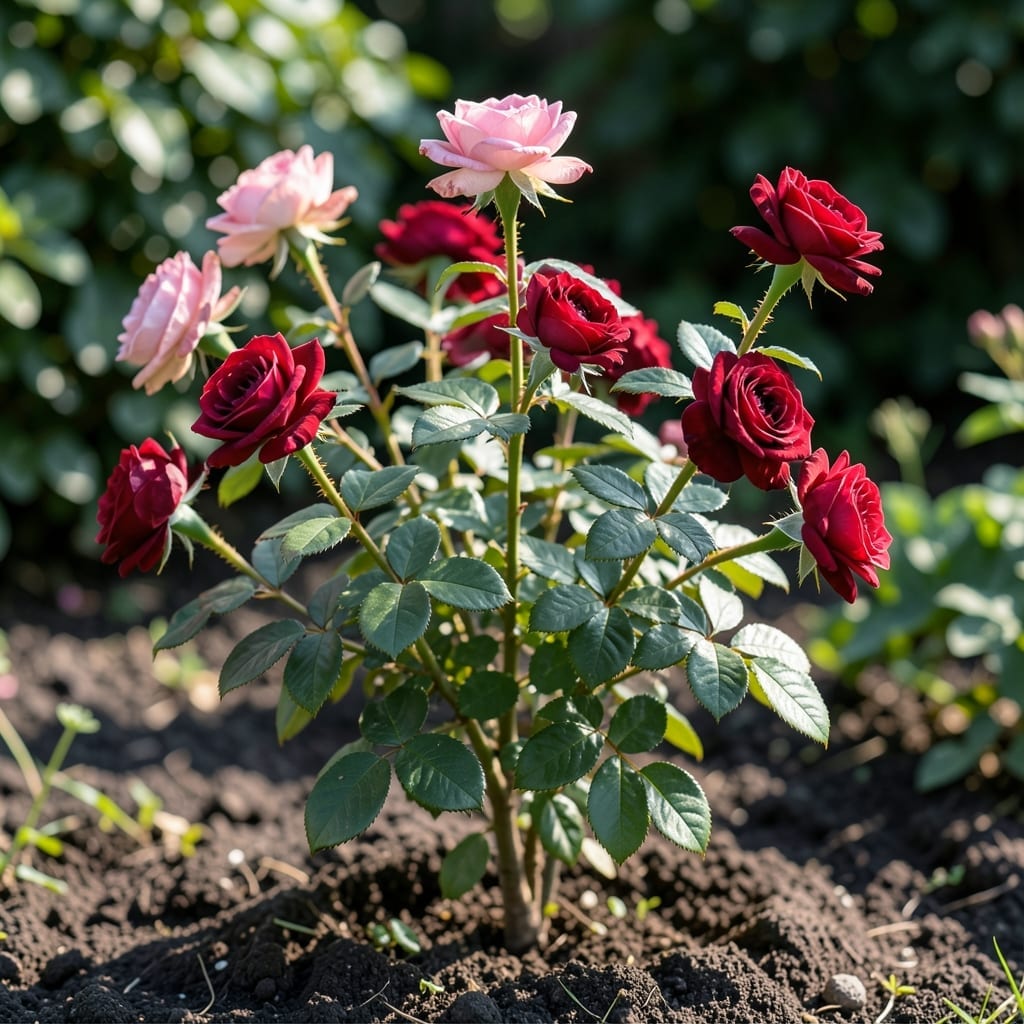
Nothing stings like watching your rose bush droop overnight. I’ve been there—panicked, Googling at 2 AM, convinced my prized climber was a goner. Turns out, wilting is often a simple fix.
Most cases boil down to 3 things: too much water, too little, or something chewing on the roots. The fix usually takes 24-48 hours once you pinpoint the issue. No fancy tools required.
You’ll know it’s working when the leaves perk up by evening. By morning, that bush will look like it never missed a beat. Prevention? Even easier—just a little daily attention.
Works for all rose types, from hybrid teas to old garden varieties. Here’s how to play detective with your plants.
A wilting rose bush is often a cry for help, and pinpointing the cause is the first step to revival. Here are the most common reasons your roses might be drooping, along with the science behind each issue.
Roses are sensitive to inconsistent moisture levels. Overwatering suffocates roots by depleting oxygen in the soil, while underwatering prevents the plant from absorbing essential nutrients. Rhizosphere (root zone) imbalance disrupts osmotic pressure, causing cells to lose turgidity—the internal pressure that keeps stems and leaves rigid. Check soil moisture 2 inches deep; it should feel like a wrung-out sponge.
Pathogens like Verticillium or Fusarium wilt block the xylem (water-conducting vessels), starving the plant of hydration. Look for blackened stems or yellowing leaves with brown edges. These fungi thrive in poorly drained soil or when overhead watering leaves foliage wet for extended periods. Prune infected areas immediately and avoid working with wet plants to prevent spread.
Aphids, spider mites, and rose slugs pierce plant cells to feed, draining vital fluids and introducing toxins. This direct damage reduces the rose’s ability to photosynthesize and transport water. Inspect the undersides of leaves for clusters of pests or webbing. A strong blast of water or neem oil spray can disrupt their lifecycle without harsh chemicals.
Extreme temperatures (above 90°F or below 32°F) disrupt cellular function, leading to temporary wilting. Transplant shock occurs when roots are disturbed, severing their connection to the soil microbiome. Mulch heavily (2–3 inches of organic matter) to insulate roots, and water deeply at dawn to reduce heat stress. Newly planted roses may take 2–4 weeks to recover.
Don’t panic if your rose bush looks sad—most wilting issues are fixable with the right care. Below are targeted solutions for common causes, plus prevention tips to keep your blooms thriving.
If the soil is dry 2–3 inches down, your rose needs a drink. Water deeply at the base (not leaves) early in the morning, giving 1–2 gallons per bush. Use a soaker hose to avoid runoff. Prevention: Mulch with 2–3 inches of organic matter (like wood chips) to retain moisture.
Yellowing leaves or soggy soil? Stop watering immediately. Improve drainage by mixing in compost or sand. For potted roses, ensure containers have drainage holes. Prevention: Water only when the top 1–2 inches of soil are dry—stick your finger in to check!
Aphids and spider mites suck sap, causing wilting. Blast them off with a strong water spray, or apply neem oil (mix 1 tbsp oil + 1 tsp dish soap per gallon of water). Prevention: Attract ladybugs (natural predators) by planting marigolds nearby.
Black spots or powdery mildew? Prune infected leaves (sterilize shears with rubbing alcohol between cuts) and discard them—don’t compost. Spray with a baking soda solution (1 tsp baking soda + 1 quart water + a few drops of dish soap). Prevention: Space bushes for airflow and avoid overhead watering.
Drooping in extreme heat? Provide afternoon shade with a cloth or move potted roses. Water deeply in the early morning. Prevention: Plant heat-tolerant varieties like Rosa ‘Knock Out’ for future resilience.
💡 Pro Tip: Always sterilize pruning tools to avoid spreading disease between plants. A quick wipe with rubbing alcohol does the trick!
Water deeply 2-3 times per week in hot weather, less in cooler months. Always check soil 2 inches deep—water only if dry. Morning watering prevents fungal growth.
Submerge the root ball in water for 1-2 hours if potted. For in-ground bushes, give 1-2 gallons at the base. Avoid wetting leaves to prevent disease.
Yes! Over-fertilizing burns roots, causing wilting. Use a balanced 10-10-10 fertilizer every 4-6 weeks during growing season. Always follow package instructions.
Only if they’re diseased. Otherwise, wait 24-48 hours after watering to see if they recover. Pruning healthy wilted leaves removes potential recovery points.