
Beautiful Plants For Your Interior
Beautiful Plants For Your Interior
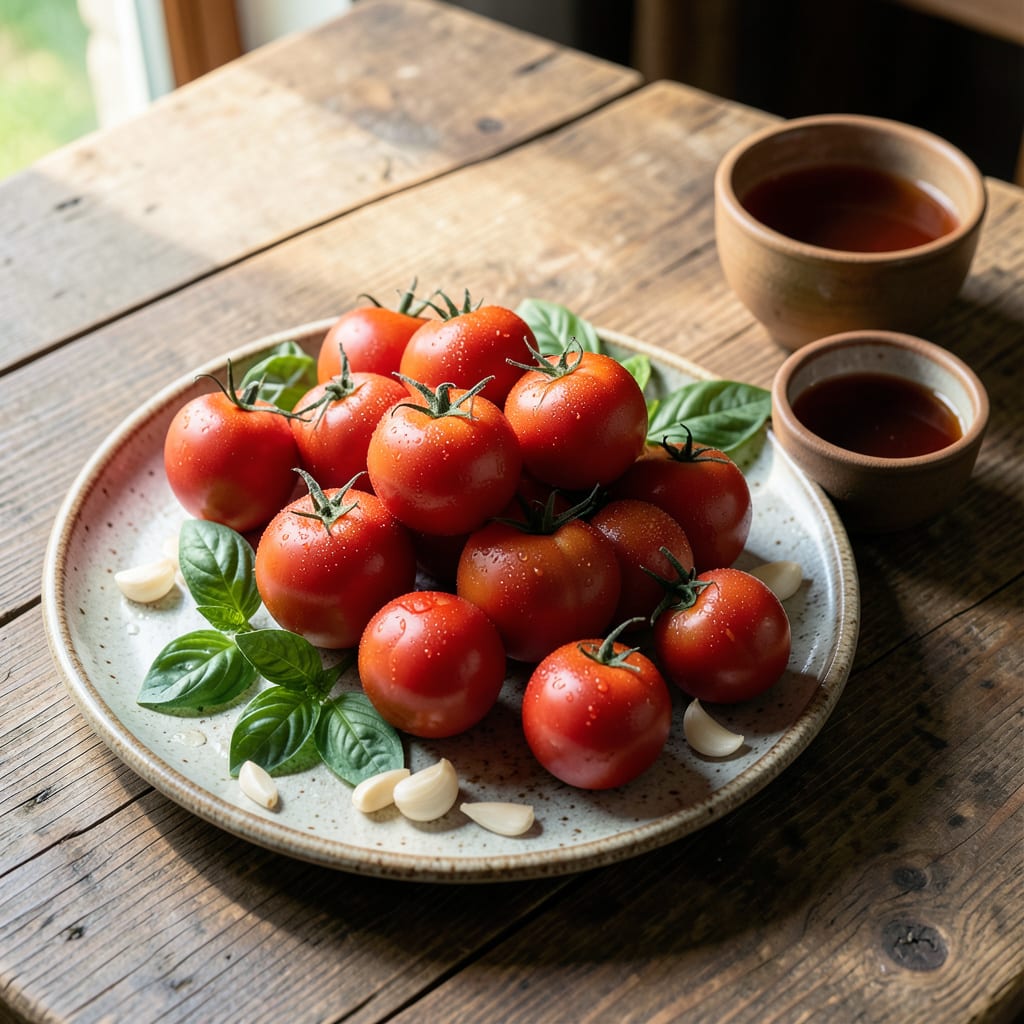
Wilting tomato plants with yellowing leaves broke my heart last season. Turns out, fusarium wilt was the culprit, and I’ve since learned how to fight it without chemicals.
This soil-borne fungus attacks the plant’s vascular system, but organic treatments like beneficial fungi and proper soil management can restore healthy growth. I’ve tested multiple methods to find what works.
Early diagnosis is key—look for yellowing on one side of the leaf and gradual wilting. With the right approach, your plants can bounce back stronger.
Prevention is just as important as treatment. Crop rotation and resistant varieties keep this problem from returning next year.
Fusarium wilt in tomatoes is caused by the soilborne fungus Fusarium oxysporum f. sp. lycopersici, which invades the plant’s vascular system. Below are the primary triggers that lead to infection and disease development.
The fungus persists in soil for years, especially in warm, well-drained environments. Infected seeds or seedlings can introduce the pathogen into clean fields. Once present, F. oxysporum enters tomato roots, colonizing the xylem and blocking water transport.
Optimal temperatures (75–85°F / 24–29°C) accelerate fungal growth. Drought stress, poor drainage, or compacted soil weaken plants, making them more susceptible. Over-fertilization with nitrogen can also exacerbate stress, creating ideal conditions for infection.
Planting tomatoes or other solanaceous crops (e.g., potatoes, peppers) in the same field year after year increases fungal buildup. Without rotation, the pathogen thrives, as it has no competition or disruption in its life cycle.
Excess moisture promotes fungal sporulation and root infection. Waterlogged soil reduces oxygen availability, stressing the plant and impairing its ability to resist the pathogen. Drip irrigation and raised beds can help mitigate this risk.
Fusarium wilt can be tough, but these targeted fixes will help you save your tomato plants and stop the fungus from spreading. Act fast for the best results!
If your soil is contaminated, remove and replace the top 6–12 inches with fresh, disease-free soil. For a chemical-free fix, try soil solarization:
Prevention tip 💡: Rotate crops yearly—avoid planting tomatoes or other nightshades in the same spot for at least 3 years.
At the first sign of yellowing or wilting leaves:
Prevention tip 🌡️: Water at the base of plants (not overhead) to reduce fungal spread via moisture.
For organic control, apply these natural fungicides every 7–10 days:
Prevention tip ✨: Start with resistant tomato varieties like ‘Celebrity,’ ‘Mountain Merit,’ or ‘San Marzano’.
Soil solarization typically requires 4-6 weeks of direct sunlight during the hottest months. The plastic must remain tightly sealed to trap heat effectively.
No, the fungus can survive in soil for years. Replace the top 6-12 inches of soil or solarize it before replanting. Never reuse untreated soil from infected areas.
Yes! Try resistant varieties like ‘Celebrity’, ‘Mountain Merit’, or ‘San Marzano’. These are bred to tolerate the fungus better than standard types.
Neem oil helps slow fungal growth but won’t cure advanced cases. Combine with pruning, soil treatment, and resistant varieties for best results. Apply every 7-10 days.
