
Beautiful Plants For Your Interior
Beautiful Plants For Your Interior
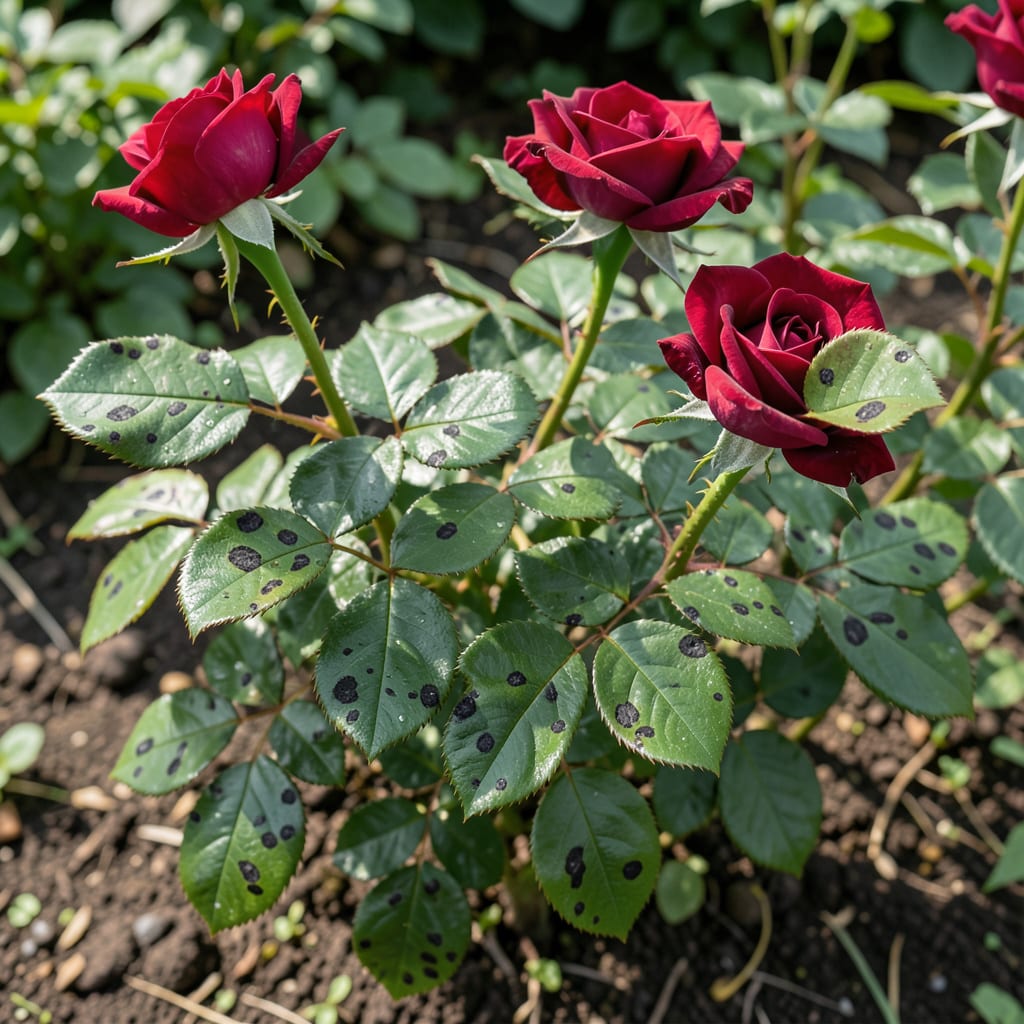
Those black spots on your rose leaves are likely black spot fungus, a common issue I’ve battled in my own garden. It starts small but spreads fast, turning leaves yellow and dropping them prematurely.
Here’s the thing—it’s treatable. A foolproof mix of removing infected leaves, improving air circulation, and applying the right fungicide can save your bushes. Prevention is simpler than you think, too.
📚 In This Guide
These steps will help you eliminate the fungus and protect your plants from future outbreaks.
Start by putting on gloves and inspecting your rose bush carefully. Remove every leaf that shows black spots, even if they’re small or isolated. Don’t compost these leaves—toss them in the trash or burn them. This prevents the fungus from spreading back to your plants later.
Use clean pruners for each cut, and wipe the blades with rubbing alcohol between snips. This keeps you from accidentally transferring spores to healthy parts of the bush. You’ll know you’ve caught it early if most of the bush still looks vibrant and disease-free.
Choose a fungicide labeled for black spot on roses—copper-based or sulfur-based options work well. Mix it according to the package instructions (usually 1-2 tablespoons per gallon of water). Spray it thoroughly on both the top and underside of all remaining leaves until they glisten.
Apply on a dry, wind-free day so the solution doesn’t wash away immediately. Reapply every 7-10 days or after rain, as the fungus thrives in wet conditions. I’ve found that treating in the morning gives the leaves time to dry before evening dew sets in.
Black spot loves damp, still air. Thin out crowded branches in the center of the bush using clean pruners. Aim to create an open, vase-like shape that allows air to flow freely through the plant. This helps leaves dry faster after rain or watering.
Space your rose bushes at least 3-4 feet apart if they’re in the ground. For potted roses, ensure they’re not packed too closely together on the patio. You’ll see better results when the plant can breathe on all sides.
Water at the base of the plant, not from above, to keep leaves dry. A soaker hose or drip irrigation works best. If you must use a sprinkler, do it early in the day so leaves have time to dry before nightfall.
Check that the soil drains well—roses hate soggy roots. If water pools around the base after watering, improve drainage by amending the soil with organic matter. You’ll notice fewer spots when the plant isn’t stressed by poor conditions.
Once the infection is under control, switch to a preventative spray like neem oil or a baking soda solution (1 teaspoon baking soda, 1 quart water, a few drops of dish soap). Apply every 2 weeks during the growing season.
Keep the area around your roses clean by removing fallen leaves and debris regularly. Mulch with 2-3 inches of organic material to prevent spores from splashing up from the soil. This simple step makes a big difference in long-term prevention.
These practical insights will help you tackle black spot fungus more effectively.
Pruning Precision: In Step 1, always sterilize your pruners between cuts with rubbing alcohol. I learned this the hard way after accidentally spreading spores to healthy branches. Even small spots can harbor fungus, so remove every affected leaf completely.
Application Timing: For Step 2, morning treatments work best as they allow the fungicide to dry before evening dew. The 7-10 day reapplication window is crucial—don’t stretch it beyond 10 days, even if the weather seems dry.
Airflow Strategy: When improving circulation in Step 3, focus on the center of the bush where humidity builds up. That 3-4 foot spacing isn’t just for aesthetics; it creates the airflow needed to keep leaves dry and fungus-free.
Prevention Focus: In Step 5, the 2-3 inch mulch layer serves double duty—it prevents splashing spores and maintains consistent soil moisture. I’ve found organic mulch like shredded bark works particularly well for roses.
Black spots are usually caused by Diplocarpon rosae, a fungal disease called black spot. It thrives in warm, humid conditions and spreads through water splashing on leaves. Left untreated, it can weaken your rose bush over time.
Yes! Start by removing and destroying infected leaves. Apply a fungicide (like neem oil or copper-based sprays) and improve air circulation around the plant. Prune affected areas and avoid overhead watering to prevent further spread.
Treat at the first sign of black spots, ideally in early morning or late evening to avoid sunburn on leaves. Repeat fungicide applications every 7–14 days, especially during wet weather or high humidity.
Absolutely! A baking soda spray (1 tsp baking soda + 1 quart water + a few drops of dish soap) can help. Neem oil or a garlic-chili spray also work as organic fungicides. Always test a small area first to avoid leaf damage.
Keep your garden clean by removing fallen leaves and debris. Choose disease-resistant rose varieties, space plants for good airflow, and water at the base. A preventative fungicide spray in early spring can also help.
