
Beautiful Plants For Your Interior
Beautiful Plants For Your Interior
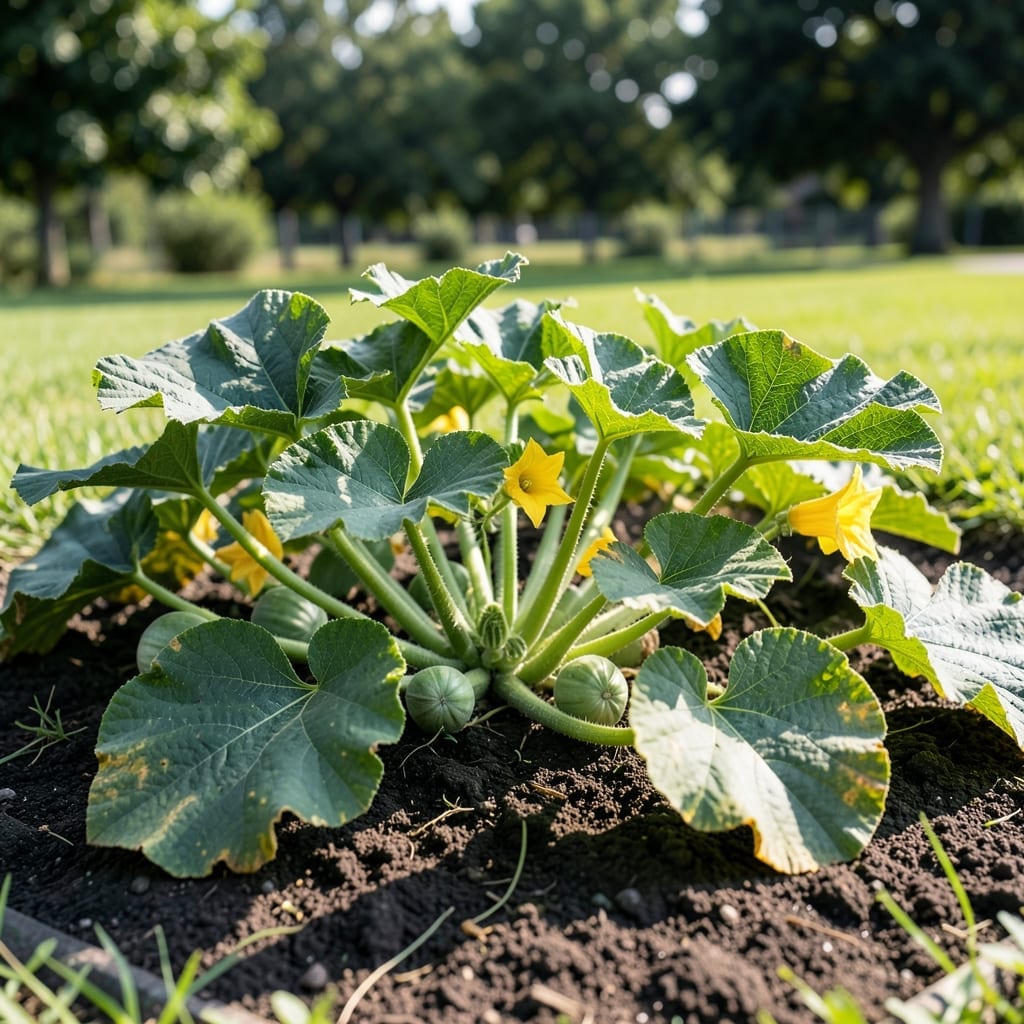
Yellow leaves on pumpkin vines aren’t just unsightly—they’re a cry for help. I’ve seen entire patches turn from vibrant green to sickly yellow overnight, and the culprit is almost always something fixable.
Between you and me, most cases come down to 3 common issues: nitrogen hunger, water stress, or sneaky pests. The pattern of yellowing tells you which one you’re dealing with—older leaves first usually means nitrogen, while mottled spots scream pest problem.
Here’s the thing—once you know what to look for, the fix takes 24-48 hours to show results. A little compost tea here, some neem oil there, and your vines bounce back faster than you’d expect.
Don’t let a yellow leaf turn into a lost harvest. Early action saves the whole plant.
Pumpkin plants turning yellow often signal underlying issues that disrupt their health. Here are the most common causes, explained with actionable insights:
Yellowing leaves, or chlorosis, frequently stem from a lack of essential nutrients. Nitrogen deficiency typically causes uniform yellowing of older leaves first, as the plant redirects nitrogen to new growth. Magnesium or iron deficiencies may lead to interveinal chlorosis—yellowing between leaf veins—while potassium deficiency often appears as yellowing leaf edges (scorching). A soil test can pinpoint the exact deficiency.
Excess water suffocates roots, reducing oxygen uptake and hindering nutrient absorption. This stress manifests as yellow, wilted leaves. Pumpkins thrive in well-draining soil; soggy conditions also encourage fungal diseases like Phytophthora, which cause yellowing and wilting. Check soil moisture 2 inches deep—water only when dry.
Powdery mildew (white powdery spots) and downy mildew (yellow patches on upper leaves) are common culprits. Bacterial leaf spot causes small, water-soaked yellow spots that expand. These pathogens thrive in humid, crowded environments. Improve airflow, avoid overhead watering, and apply copper-based fungicides preventatively.
Spider mites, aphids, and squash bugs sap nutrients from leaves, causing stippling, curling, or yellowing. Inspect leaf undersides for pests or their residue (e.g., honeydew from aphids). Neem oil or insecticidal soap can treat early infestations, while severe cases may require pyrethrin-based sprays.
Extreme heat or cold can stress pumpkin plants, leading to yellowing. Heat stress often causes sunscald (bleached yellow patches), while cold snaps slow nutrient uptake. Use shade cloth during heatwaves and row covers for unexpected frosts to mitigate damage.
Yellowing pumpkin plants can often be revived with the right care. Below are targeted solutions for common causes, along with simple prevention tips to keep your patch thriving.
If yellow leaves appear between the veins, your pumpkins may lack nitrogen, iron, or magnesium. Apply a balanced fertilizer (10-10-10) or a nitrogen-rich option for general yellowing. For iron deficiency (young leaves turn yellow first), use chelated iron or amend soil with compost. Prevention tip: Test soil before planting and mix in compost annually.
Soggy soil causes root rot (yellowing + wilting), while drought stress turns leaves crispy. Water deeply 1-2 times per week (1-2 inches), letting the top inch of soil dry out between sessions. Use mulch to retain moisture. Prevention tip: Improve drainage with raised beds if your soil stays wet.
Check undersides of leaves for aphids, spider mites, or powdery mildew (white spots + yellowing). Blast pests off with water or use neem oil. Remove diseased leaves immediately and avoid overhead watering. Prevention tip: Space plants 3-5 feet apart for airflow and rotate crops yearly.
Scorched leaves (brown edges + yellow patches) may need afternoon shade. If plants are leggy and pale, they likely need more sunlight (6-8 hours daily). Use shade cloth in extreme heat or move pots to sunnier spots. Prevention tip: Start seeds in full-sun locations from the get-go.
Pro tip 💡: Always remove severely yellowed leaves to redirect energy to healthy growth. With quick action, your pumpkins can bounce back to vibrant green!
With the right fix, you’ll often see improvement in 3-5 days. Nitrogen responses appear fastest, while pest-related recovery may take 1-2 weeks for full bounce-back.
Severely damaged leaves won’t recover, but new growth will be healthy. Remove dead leaves to redirect energy to fresh foliage.
Water deeply 1-2 times weekly, providing 1-2 inches per session. Always check soil 2 inches down—water only when dry.
Organic options like compost tea work well and won’t burn roots. If using chemicals, dilute to half-strength and apply to moist soil.