
Beautiful Plants For Your Interior
Beautiful Plants For Your Interior
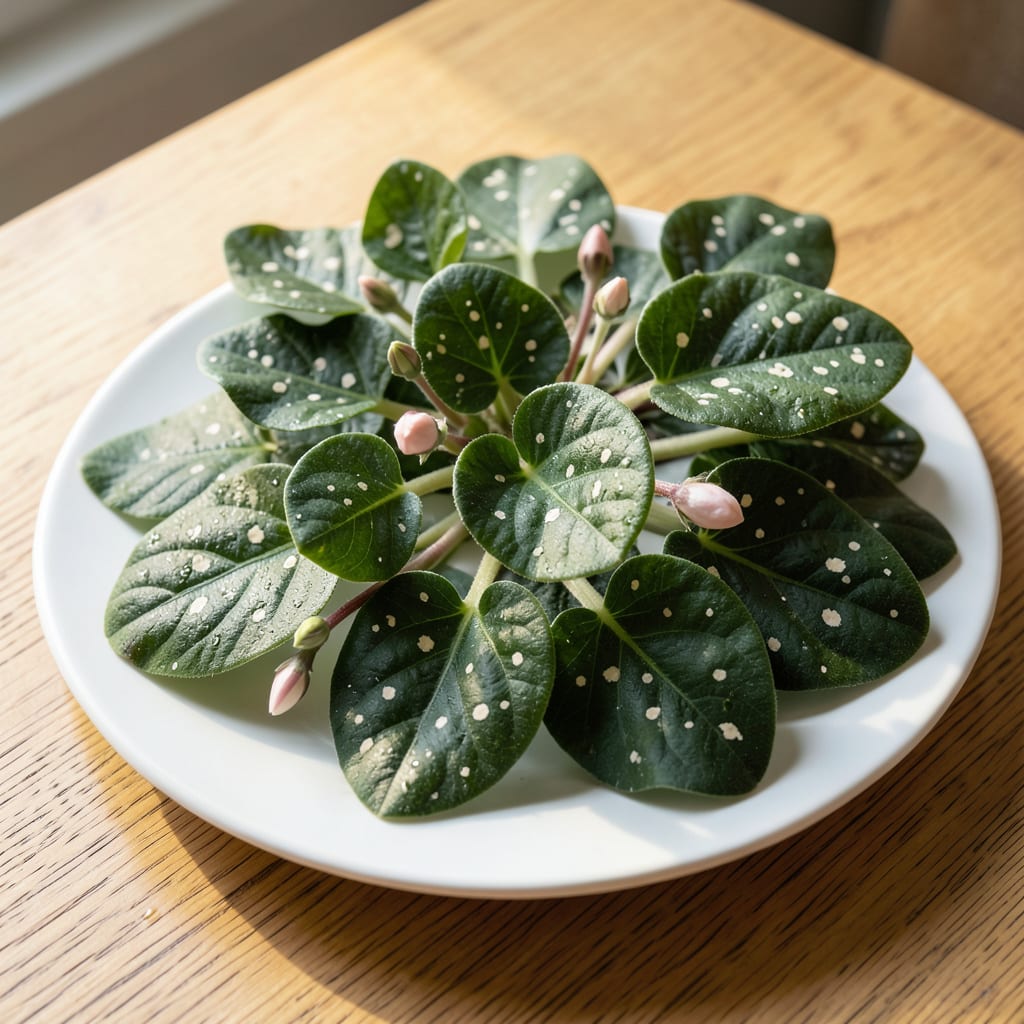
Those white spots on your impatiens aren’t just unsightly—they’re a red flag. I’ve seen entire beds wiped out by ignoring this early warning sign.
Downy mildew often starts as pale patches on the upper leaves before spreading to the undersides. Left unchecked, it turns leaves yellow and drops them prematurely, stunting your plants’ growth and bloom production.
Here’s the thing—organic fixes work, but timing is everything. A simple baking soda spray or neem oil treatment can stop the spread if you catch it early. I’ve saved countless impatiens with just these two methods.
Prevention is even easier: space plants for airflow, water at the base, and avoid overhead irrigation. Your impatiens will thank you with vibrant, spot-free foliage all season long.
White spots on impatiens leaves often signal underlying issues that can range from fungal infections to environmental stressors. Here are the most common causes, explained in detail:
Plasmopara obducens, the pathogen behind downy mildew, thrives in cool, damp conditions. It manifests as pale yellow or white spots on the upper leaf surface, while a fuzzy white or gray growth forms underneath. This fungus spreads via water splashes and can overwinter in soil or plant debris.
Water lingering on leaves creates a perfect breeding ground for fungi. Overhead watering (especially in the evening) and crowded plantings reduce airflow, trapping moisture. Impatiens in shaded, humid areas are especially vulnerable to these conditions.
Extreme temperature swings, prolonged high humidity (above 85%), or sudden cold snaps can weaken impatiens, making them susceptible to infections. White spots may also appear due to edema—a physiological response where cells burst from excess water uptake in cool, damp soil.
Though less common, pests like mealybugs leave cottony white deposits on leaves, while spider mites cause stippling that can resemble spots. Check leaf undersides for webbing or tiny, moving dots to confirm infestations.
Tackling white spots on your impatiens starts with identifying the cause. Here’s a practical guide to common issues and their fixes, plus tips to keep your plants thriving.
If the spots look fuzzy or yellowish, it’s likely downy mildew. Remove infected leaves immediately to stop the spread. Treat the plant with a copper-based fungicide or a homemade mix of 1 tsp baking soda + 1 quart water + a few drops of dish soap. Spray every 7–10 days until the issue clears.
Prevention tip: 💡 Improve air circulation by spacing plants 12–18 inches apart. Water at the base in the morning to keep foliage dry.
Tiny white or silver spots may signal pests. Blast leaves with water to dislodge them, then apply neem oil or insecticidal soap weekly. For severe cases, introduce beneficial insects like ladybugs.
Prevention tip: 🎯 Inspect new plants before bringing them home. Keep the garden free of debris where pests hide.
White, crispy spots on leaves exposed to harsh sun? Move pots to a shadier spot or use shade cloth. If planted in the ground, mulch around the base to retain moisture.
Prevention tip: ✨ Acclimate impatiens gradually to outdoor light. Water consistently to prevent stress.
Hard water or herbicide drift can leave white residue. Rinse leaves gently with distilled water. If chemicals are the culprit, cover plants during lawn treatments.
Prevention tip: 🌡️ Use a water filter if your tap water is high in minerals. Always shield impatiens from nearby spraying.
Check the undersides of leaves. Downy mildew leaves a fuzzy white or gray growth, while pests like mealybugs appear as cottony clusters. Spider mites cause tiny webbing instead.
Yes, if you act quickly! Remove infected leaves, improve airflow, and apply a baking soda spray or neem oil every 7-10 days. Severe cases may need copper fungicide.
Not always, but it increases risk. Water at the base in the morning to let foliage dry. Crowded plants and high humidity make the problem worse.
Downy mildew spreads via water splashes and wind. Isolate infected impatiens and avoid touching healthy plants after handling affected ones.
