
Beautiful Plants For Your Interior
Beautiful Plants For Your Interior
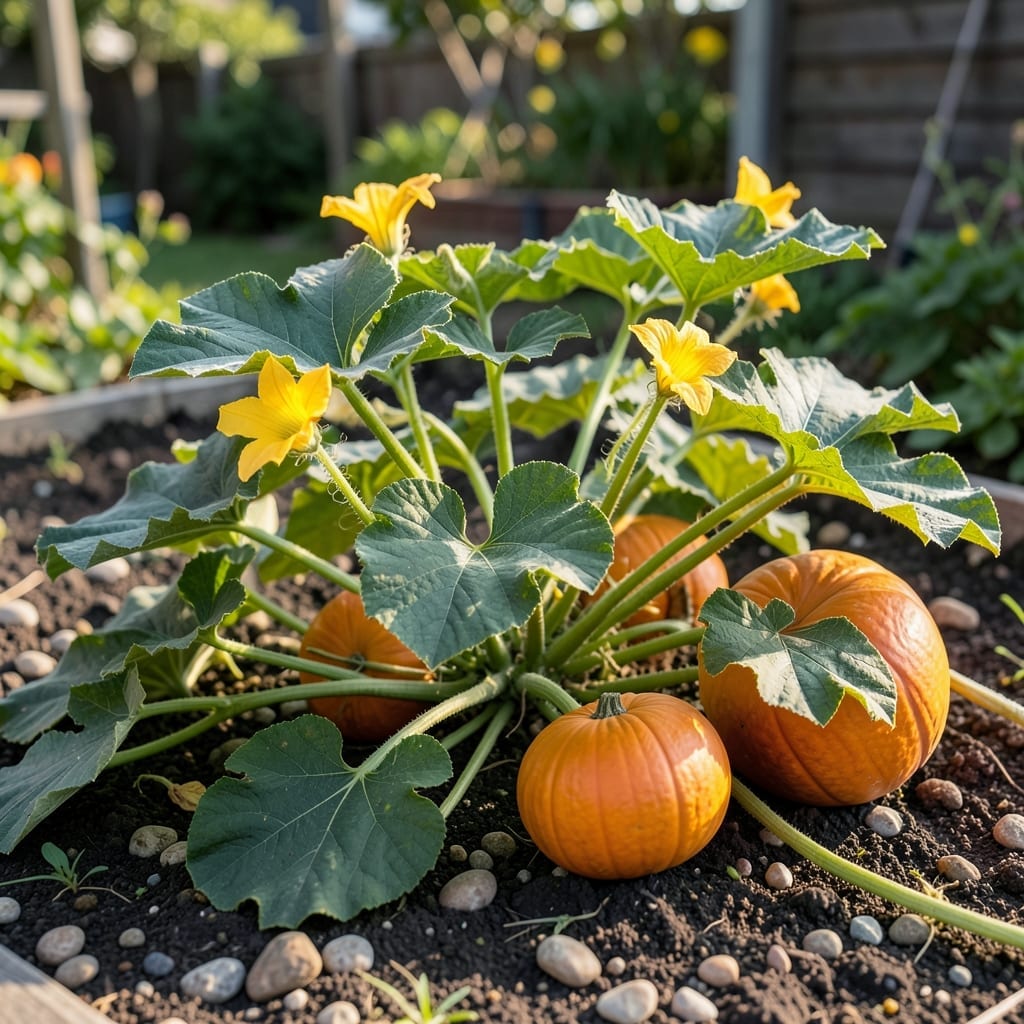
Yellow spots on your pumpkin leaves last week weren’t your imagination. I’ve seen healthy patches turn crisp overnight from what seemed like nothing.
Most issues show up first on the leaves—whether it’s powdery mildew, squash bugs, or simple thirst. Catch these early and your vines will keep pumping out big orange fruits through fall.
📚 In This Guide
Here’s how I protect my pumpkin plants from leaf problems using simple, organic methods.
I start by examining both sides of the leaves every 2-3 days, especially after rain. Look for tiny spots, yellowing, or white powdery residue. Catching issues early means you can act before they spread to the entire patch.
Use a hand lens if available—some pests like spider mites are nearly invisible to the naked eye. Pay special attention to the undersides of leaves, where many problems first appear. Early detection often prevents the need for more drastic measures later.
Pumpkins need space to breathe. I thin out crowded vines by removing a few strategic leaves, especially in the center of the plant where air gets trapped. This reduces humidity that invites fungal diseases like powdery mildew.
Space plants at least 3-4 feet apart when planting. If your patch is already crowded, gently train vines in different directions to create natural airflow channels. A small fan on low setting can help in very still conditions.
Once a week, I spray my plants with a mixture of 1 tablespoon baking soda and 1 teaspoon mild soap per gallon of water. This simple solution helps prevent many common fungal issues without harsh chemicals.
Apply in the early morning so leaves dry quickly in the sun. Always test on a single leaf first to check for sensitivity. For existing problems, neem oil (mixed according to package directions) works well, but I avoid using it during the hottest part of the day.
Water at the base of the plant using a soaker hose or drip irrigation. I give my pumpkins about 1-1.5 inches of water per week, more during extreme heat. Keeping leaves dry prevents many fungal spores from taking hold.
If you must use overhead watering, do it early in the day so foliage has time to dry. Mulch around plants with straw to prevent soil splashing onto leaves during watering, which can spread disease. The mulch also helps maintain consistent soil moisture.
At the first sign of disease or severe pest damage, I immediately remove the affected leaves. Use clean scissors or pruners, and sterilize them with rubbing alcohol between cuts to prevent spreading pathogens.
Don’t compost diseased plant material—this can reinfect your garden. Instead, seal it in a plastic bag and dispose of it with household trash. After removal, wash your hands thoroughly before touching other plants to prevent contamination.
Small adjustments make a big difference when protecting your pumpkin plants from leaf issues.
Inspection Frequency: Those 2-3 days between leaf inspections in Step 1 are critical. After rain is the most important time to check, as damp conditions accelerate fungal growth. I set a calendar reminder so I never miss this window, especially during humid weather.
Airflow Wisdom: When spacing plants 3-4 feet apart as mentioned in Step 2, remember this also helps with harvesting later. Crowded plants not only invite disease but make it harder to spot problems early. If your patch is already established, even removing a few leaves can dramatically improve circulation.
Spray Timing: The early morning application in Step 3 isn’t just about drying time—it’s when plants are most receptive to treatments. I learned the hard way that evening spraying can leave leaves damp overnight, which defeats the purpose. Also, that baking soda mixture is most effective when used consistently, not just when problems appear.
Watering Discipline: The 1-1.5 inches of water per week in Step 4 works best with drip irrigation. If you’re using overhead watering, try to do it before 10 AM so leaves have plenty of time to dry. Mulching with straw not only prevents soil splash but also helps maintain that consistent moisture level between waterings.
Yellowing leaves often signal overwatering, nutrient deficiency (like nitrogen), or fungal diseases like powdery mildew. Check soil moisture and ensure proper drainage.
Act at the first sign of spots, discoloration, or wilting. Early intervention with organic fungicides (e.g., neem oil) prevents spread. Treat in dry weather for best results.
Yes! A baking soda spray (1 tsp baking soda + 1 quart water + a drop of soap) can combat mild fungal issues. Remove severely infected leaves to stop progression.
Rotate crops, space plants for airflow, and avoid overhead watering. Mulch with straw to reduce soil-borne splashes onto leaves. Consistency is key!