
Beautiful Plants For Your Interior
Beautiful Plants For Your Interior
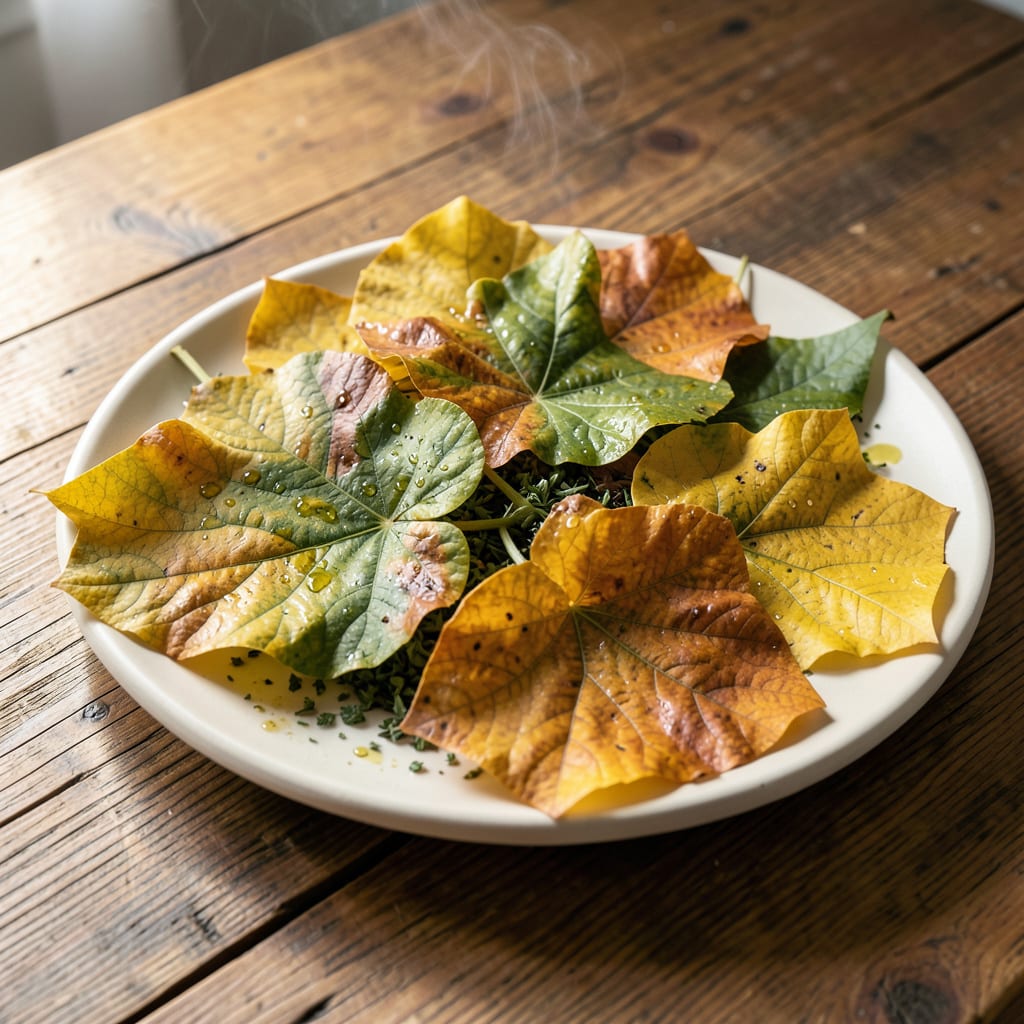
Yellow pumpkin leaves don’t mean the end of your patch. I’ve nursed more than a few vines back from the brink with simple fixes.
The usual suspects are nutrient shortages, uneven watering, or sneaky pests. Nitrogen shows up first—old leaves fade while new growth stays green. Then there’s magnesium, which turns the whole leaf yellow between the veins.
Fixing it starts with checking soil and water habits. A quick tissue test or soil probe reveals what’s missing. Most issues clear up in 7-10 days with the right adjustment.
Prevention is easier than cure. Rotate crops, test soil annually, and water at the base. Healthy vines resist trouble before it starts.
Pumpkin leaves turning yellow often signal underlying issues that disrupt their health. Here are the most common causes, explained with actionable insights:
Yellowing leaves, or chlorosis, frequently stem from a lack of essential nutrients. Nitrogen deficiency typically causes uniform yellowing of older leaves first, as the plant redistributes nitrogen to newer growth. Magnesium deficiency appears as yellow patches between leaf veins, while iron deficiency leads to yellowing between veins in younger leaves. Test your soil to confirm deficiencies and amend with organic matter or targeted fertilizers.
Excess water suffocates pumpkin roots, preventing them from absorbing oxygen and nutrients. This stress triggers yellowing, often accompanied by wilting. Ensure your soil has good drainage, and water only when the top inch of soil feels dry. Raised beds can help improve drainage in heavy or clay soils.
Pathogens like Powdery Mildew or Alternaria leaf spot can cause yellow spots or patches on leaves. These often spread under wet, humid conditions. Remove infected leaves immediately, improve air circulation, and apply organic fungicides like neem oil or copper-based sprays as a preventive measure.
Pests such as aphids, spider mites, or whiteflies sap nutrients from leaves, leading to yellowing and stunted growth. Inspect the undersides of leaves for tiny insects or webbing. Use insecticidal soap or introduce beneficial insects like ladybugs to control infestations naturally.
Extreme temperatures, sudden frost, or excessive heat can shock pumpkin plants, causing leaves to yellow. Protect plants with row covers during cold snaps and provide shade cloth during heatwaves. Consistency in temperature and care helps prevent stress-related yellowing.
If your pumpkin leaves are turning yellow, don’t panic—most causes are fixable with a few targeted adjustments. Below are practical solutions mapped to common problems, along with prevention tips to keep your plants thriving.
Nitrogen: Yellowing starts on older leaves? Apply a balanced fertilizer (10-10-10) or side-dress with compost. Prevention: Test soil annually and amend with organic matter before planting.
Magnesium: Interveinal yellowing (green veins) signals a deficiency. Spritz leaves with 1 tbsp Epsom salt per gallon of water weekly. Prevention: Add dolomitic lime to soil pre-planting if your soil is acidic.
Overwatering: Let soil dry slightly between waterings. Improve drainage by mixing in sand or perlite. Prevention: Use raised beds or containers if your soil retains too much moisture.
Underwatering: Deep-water at the base (1–2 inches per week) and mulch to retain moisture. Prevention: Install a drip irrigation system for consistent hydration.
Spider Mites/Aphids: Blast off pests with water or apply neem oil weekly. Prevention: Introduce beneficial insects like ladybugs early in the season.
Fungal Diseases: Remove infected leaves and treat with copper fungicide. Prevention: Space plants 3–4 feet apart for airflow and avoid overhead watering.
💡 Pro Tip: Always water in the early morning to allow foliage to dry quickly, reducing disease risk. A little care goes a long way!
Yes, if the issue is nutrient-related or minor. Correcting a magnesium deficiency with Epsom salt often restores color in 1-2 weeks. Severely damaged leaves may not recover, but new growth will be healthy.
Generally safe if the cause is non-disease related, like nutrient deficiencies or water stress. If fungal/bacterial issues are present, check pumpkins for rot or spots before consuming.
Remove only severely yellow or diseased leaves to improve airflow. If just slightly yellow, leave them—they still produce energy. Sanitize pruners between cuts to prevent spreading disease.
