
Beautiful Plants For Your Interior
Beautiful Plants For Your Interior
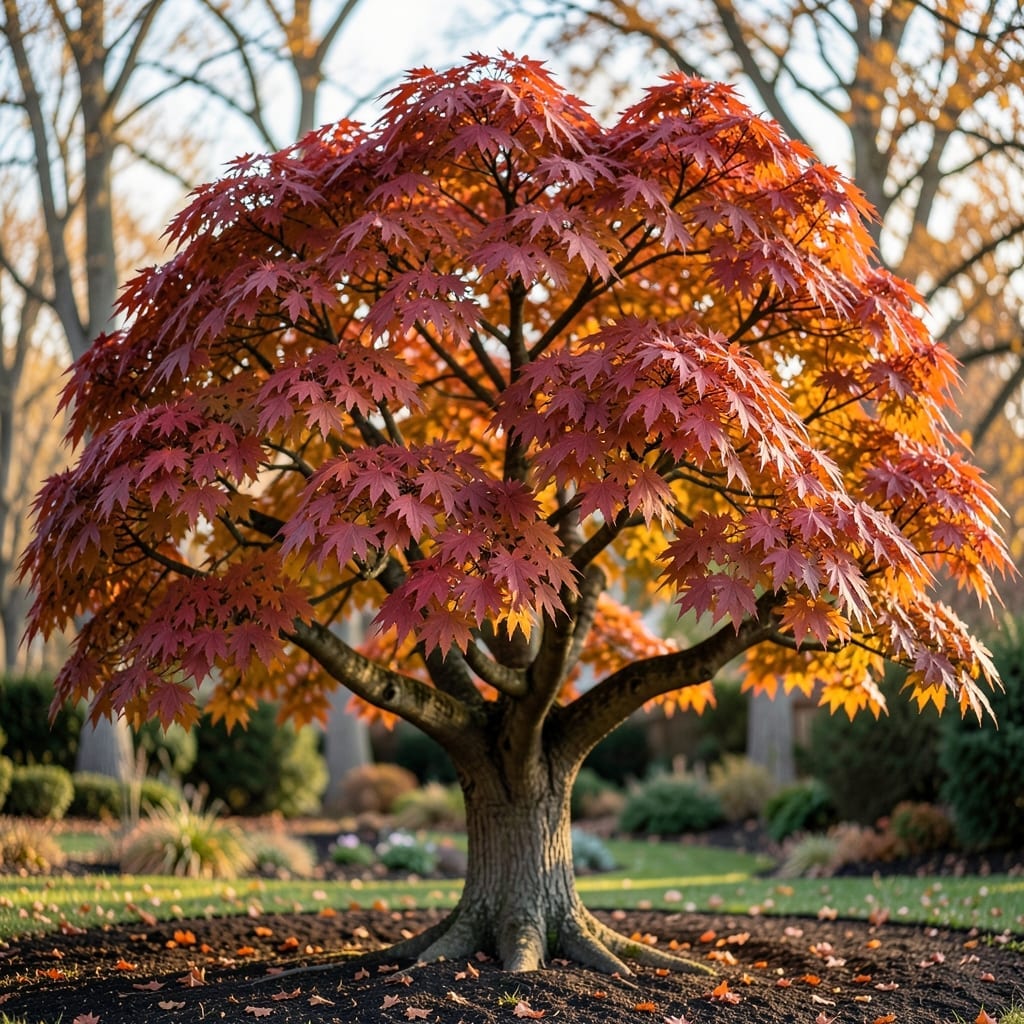
That first crisp October morning when the maples ignite in red stops me every year. 🌿 The science behind autumn’s fiery display is even more fascinating than the view itself.
As days shorten, chlorophyll fades and anthocyanins emerge, painting leaves in shades of crimson. Your garden can enhance this natural show with the right care and plant choices.
📚 In This Guide
Here’s how I track nature’s most vibrant transformation—no tools required, just keen observation.
Start with species that reliably turn crimson in fall: maples, sumacs, and some oaks. I always look for trees with lobed leaves—they’re the classic red producers. Check local parks or your own yard for these varieties, as regional climate affects color intensity.
Walk around the base of the tree and scan the canopy. You’ll notice the first hints of change when edges of leaves start darkening—this is anthocyanin production beginning. Don’t confuse this with early browning, which signals stress rather than seasonal transition.
Red pigments develop best with cool nights (40-50°F) and bright sunny days. I check the forecast and mark my calendar when nights start dipping—this is the trigger. The combination of shortening days and chilly evenings signals trees to halt chlorophyll production.
Observe the same tree at noon and sunset. Morning light enhances red hues, while late-day sun can make them appear deeper. You’ll see the most dramatic changes within 2-3 weeks of the first temperature drop.
Pick a few branches to watch closely. I focus on outer leaves first—they change color before inner ones. Note the shift from green to reddish-purple as chlorophyll fades and anthocyanins dominate. This is the most photogenic stage.
Use your phone to photograph the same spot daily. After 5-7 days, you’ll have a visual timeline showing the transformation. The peak red phase usually lasts 7-10 days before leaves begin to brown and drop.
Once leaves start falling, gather a few at their peak red. I press them between paper towels in a heavy book to preserve the color. Check after 3-4 days—they’ll be dry but retain most of their vibrant hue.
Avoid leaves that are already brown or curled. These are past their prime and won’t hold color well. Store your pressed leaves in a dark, dry place to prevent further fading.
The details that separate casual observation from truly understanding nature’s palette.
Tree Selection Tip: Focus on maples, oaks, or sumacs as mentioned in Step 1—they’re your best bet for vibrant red foliage. I learned the hard way that some trees like birches or willows won’t give you that dramatic crimson display, no matter how long you watch. Stick with the species that reliably turn red.
Temperature Matters: Those cool nights (40-50°F) mentioned in Step 2 are crucial for triggering anthocyanin production. If you’re experiencing unseasonably warm nights, don’t be surprised if the color change seems delayed. The temperature drop at night is what really kicks the process into high gear.
Light Exposure Insight: In Step 3, the comparison between sun-exposed and shaded leaves reveals a lot about how light affects color intensity. The sunlit leaves will always develop richer reds because the trapped sugars produce more anthocyanins. This is why you’ll see the most spectacular displays on the south and west sides of trees that get full sun.
The Time Factor: That 2-3 weeks timeline from Step 4 isn’t just a suggestion—it’s the typical progression from first hint of red to peak color. I mark my calendar when I first notice the change and set reminders for weekly check-ins. The 7-10 days of peak color go by shockingly fast, so don’t procrastinate on capturing those perfect shots.
The red hues come from anthocyanins, pigments produced when sugars get trapped in leaves due to cool nights and sunny days, combined with breaking down chlorophyll.
Peak red foliage typically occurs in early to mid-October for most regions, but it varies by climate. Cooler areas may see changes earlier, while warmer zones peak in November.
Maples (especially red and sugar maples), sumacs, and some oaks are known for their vibrant red fall colors. Dogwoods and sweetgums also display striking red tones.
Brown leaves often result from dry conditions or frost damage, which prevents anthocyanin production. The lack of moisture can cause leaves to wither and turn brown prematurely.
Yes! Press them between heavy books or use a glycerin solution to maintain color and flexibility. Avoid direct sunlight to prevent fading.