
Beautiful Plants For Your Interior
Beautiful Plants For Your Interior
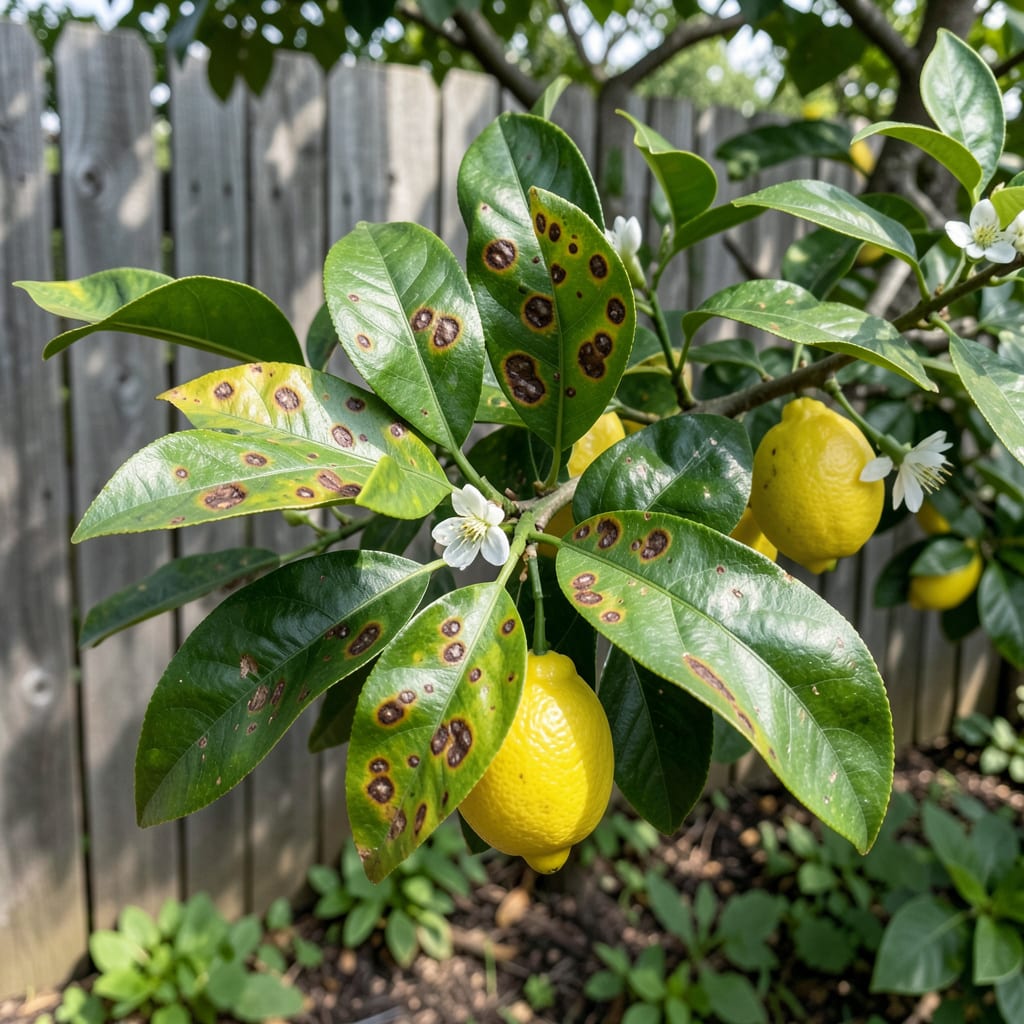
Brown spots on your lemon tree aren’t just ugly—they’re a warning sign. I’ve seen these patches turn a healthy tree into a struggling one in weeks if ignored.
Here’s the thing—those spots usually mean one of three problems: fungus taking hold, pests chewing away, or your tree screaming for nutrients. Each leaves a different mark, but all need quick action.
You can fix this without harsh chemicals. A little observation and the right natural treatments bring leaves back to their vibrant green faster than you’d think.
Works for potted trees too. Let’s get your citrus thriving again.
Brown spots on lemon tree leaves often signal underlying issues that disrupt the tree’s health. Below are the most common causes, explained with clear, actionable insights.
Fungi like Phytophthora or Alternaria thrive in wet, humid conditions, leading to dark, spreading spots. These pathogens attack weakened foliage, often after prolonged moisture exposure. Action: Improve airflow, avoid overhead watering, and apply copper-based fungicides.
Sap-sucking pests (e.g., scale insects, aphids) pierce leaf tissues, causing localized browning. Their feeding also introduces toxins or secondary infections. Action: Inspect undersides of leaves; use horticultural oil or insecticidal soap for control.
Extreme heat, frost, or inconsistent watering can scorch or dehydrate leaves, forming crisp brown patches. Sunburn (from sudden light exposure) may also create blotchy damage. Action: Mulch to retain moisture, provide shade during heatwaves, and water deeply but infrequently.
Lack of potassium, magnesium, or calcium can manifest as marginal browning or interveinal necrosis. Poor soil pH (outside 6.0–7.0) may block nutrient uptake. Action: Test soil; amend with compost or targeted fertilizers (e.g., Epsom salt for magnesium).
Tackling brown spots on lemon tree leaves starts with identifying the cause. Here’s how to address each issue effectively:
Prune crowded branches to boost air circulation, and remove infected leaves immediately. Apply a copper-based fungicide or neem oil spray weekly until spots fade. Prevention tip: Water at the base (not overhead) and avoid wet foliage. 💡
Blast off aphids, mites, or scale with a strong water spray. For stubborn pests, use insecticidal soap or horticultural oil. Introduce beneficial insects like ladybugs for long-term control. Prevention tip: Inspect leaves weekly and keep the tree’s surroundings clean. ✨
Move potted trees to partial shade during peak heat. For in-ground trees, use shade cloth. Water deeply early in the morning to prevent wilting. Prevention tip: Mulch around the base to retain moisture. 🌡️
Let the top 2 inches of soil dry between waterings. If drainage is poor, amend soil with perlite or sand. Trim root rot-affected roots and repot if needed. Prevention tip: Use a moisture meter to avoid guesswork. 🎯
Test soil and supplement with a citrus-specific fertilizer rich in zinc, magnesium, or iron. Yellowing with brown spots often signals a lack of these nutrients. Prevention tip: Feed every 4-6 weeks during growing season. 🍋
Fungal spots can spread in 2-3 days if conditions remain wet. Pest damage appears more slowly, often over 1-2 weeks. Environmental stress causes immediate browning but won’t spread like disease.
Yes! Overwatering leads to root rot, which blocks nutrient flow. Leaves develop brown edges or patches within 1-2 weeks. Let soil dry between waterings to prevent this.
Remove heavily spotted leaves immediately to stop fungal spread. Use clean shears and disinfect between cuts. This also improves airflow to healthy foliage.
Dwarf varieties like Eureka or Meyer handle stress better. However, all citrus need proper care. Focus on consistent watering and good drainage for best results.
