
Beautiful Plants For Your Interior
Beautiful Plants For Your Interior
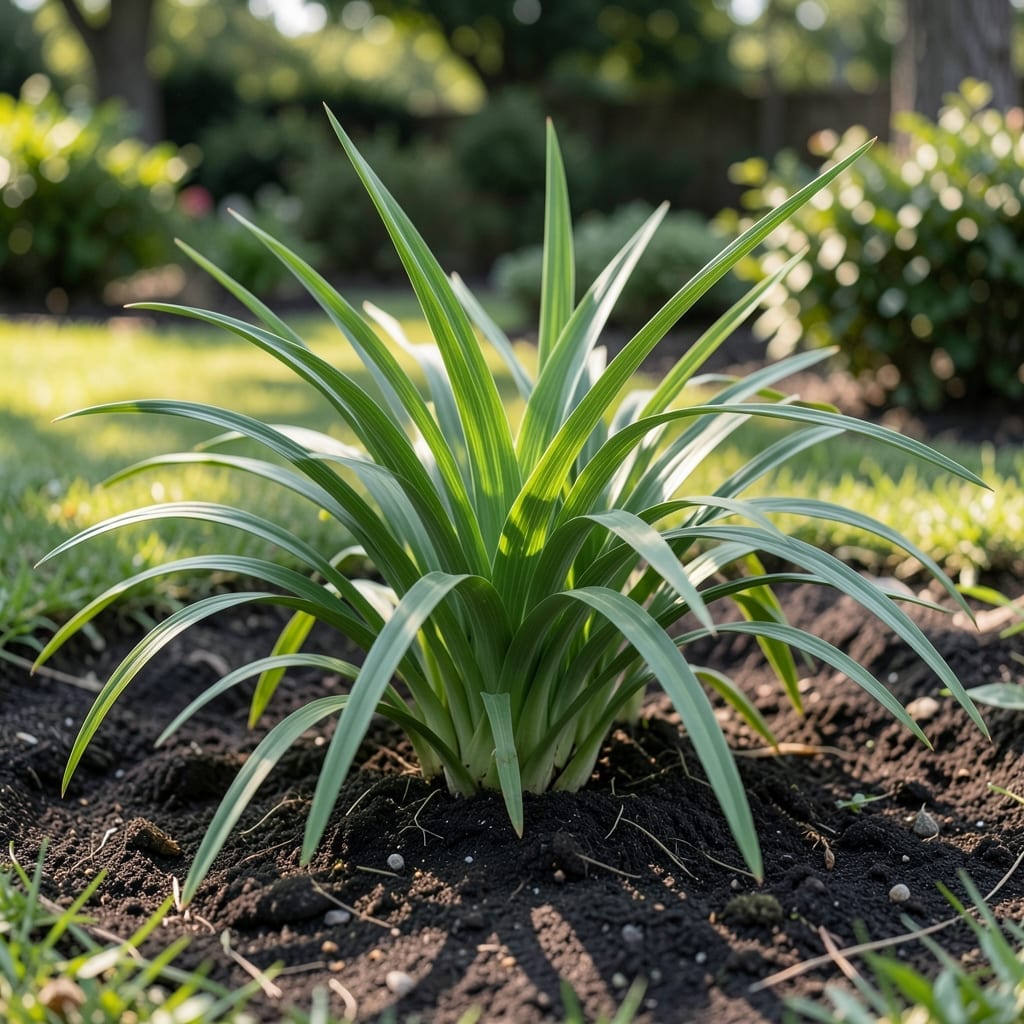
They appear dead until they’re not. 🌱 Resurrection lily leaves emerge in early spring, then vanish by summer, leaving you wondering if they’re gone for good.
I’ve watched this cycle for years—strange, strappy leaves one season, stunning pink blooms the next. The secret is patience and understanding their unique rhythm. Here’s how to support that dramatic comeback.
📚 In This Guide
Here’s the method I trust for vibrant spring growth that comes back stronger every year.
As soil temperatures reach 55-60°F in early spring, watch for reddish-purple shoots emerging from the ground. These are the first signs of your resurrection lily waking up. I mark each emerging shoot with a small stake so I don’t accidentally disturb them while working the soil.
Real talk: it’s easy to mistake these for weeds. The shoots have a unique spear-like shape that unfurls into the characteristic strappy leaves. Don’t pull them—this is the moment that matters.
Resurrection lilies thrive in full sun to partial shade, but early shoots are tender. If late frosts are forecasted, I drape a lightweight frost cloth over the area overnight. Remove it during the day to allow sunlight to reach the emerging foliage.
You’ll see rapid growth once temperatures stabilize above 60°F. The leaves will transition from reddish to deep green within 7-10 days, signaling that the plant is fully active.
Once the leaves reach 4-6 inches tall, begin a consistent watering schedule. These plants prefer 1 inch of water per week, either from rainfall or supplemental watering. I water at soil level to keep the foliage dry, which prevents fungal issues.
Here’s the thing—overwatering is a bigger risk than underwatering. Let the top 1-2 inches of soil dry out between waterings. If the leaves start to yellow, it’s often a sign of too much moisture.
Apply a balanced, slow-release fertilizer (like 10-10-10) once the leaves are fully unfurled. I sprinkle it around the base of the plant, keeping it 6 inches away from the stems to avoid burning the tender growth. Water it in thoroughly to help it reach the root zone.
You’ll notice the leaves becoming thicker and more upright within 2-3 weeks of feeding. This ensures they have the energy to produce their striking summer blooms.
As the season progresses, keep an eye out for yellowing or browning leaves, which can indicate stress. Remove any damaged foliage with clean, sharp shears to keep the plant looking its best and to prevent disease spread.
I know it seems weird, but leaving the foliage in place after the blooms fade is critical. The leaves continue to photosynthesize and store energy in the bulb for next year’s growth. Only cut them back once they’ve completely yellowed, usually in late fall.
A few strategic touches make all the difference in nurturing vibrant foliage.
Timing Insight: Watch for those first thin, sword-like shoots in early spring when soil hits 55-60°F. I learned the hard way that mistaking these for weeds can set back your entire growing season. Mark their location the previous fall with stakes to avoid accidental disturbance.
Light Optimization: The 4-6 hours of daily sunlight in Step 2 isn’t just a suggestion—it’s critical for robust growth. I’ve found morning sun with afternoon shade works best in warmer climates to prevent scorching those delicate new leaves. Watch for deep green color as your visual cue that you’ve nailed the balance.
Watering Wisdom: That once-a-week deep watering during active growth is perfect for encouraging strong roots. But here’s what nobody tells you—stop watering completely when leaves start yellowing in early summer. I ruined two batches of bulbs before realizing excess moisture during dormancy causes rot.
Fertilizer Technique: When applying that balanced 10-10-10 fertilizer in Step 4, scratch it lightly into the surface rather than digging deep. This prevents damaging the emerging shoots while still getting nutrients to the roots where they’re needed most for next year’s blooms.
Yellowing leaves often signal overwatering or poor drainage. Check soil moisture and ensure pots have drainage holes. If the issue persists, test soil pH—resurrection lilies prefer slightly acidic conditions (6.0-6.5).
Leaves typically appear in early spring (March-April) as temperatures rise. In warmer climates, they may sprout earlier. If growth is delayed, ensure bulbs aren’t planted too deep or in overly cold soil.
Yes! Use well-draining containers (12+ inches deep) and a sandy loam mix. Place pots in full sun and water moderately. Pro tip: Lift pots in winter if your region has harsh freezes.
Drooping often means underwatering. Give a deep soak (1-2 inches of water) and mulch to retain moisture. If leaves stay limp, check for root rot or pest damage beneath the soil.