
Beautiful Plants For Your Interior
Beautiful Plants For Your Interior
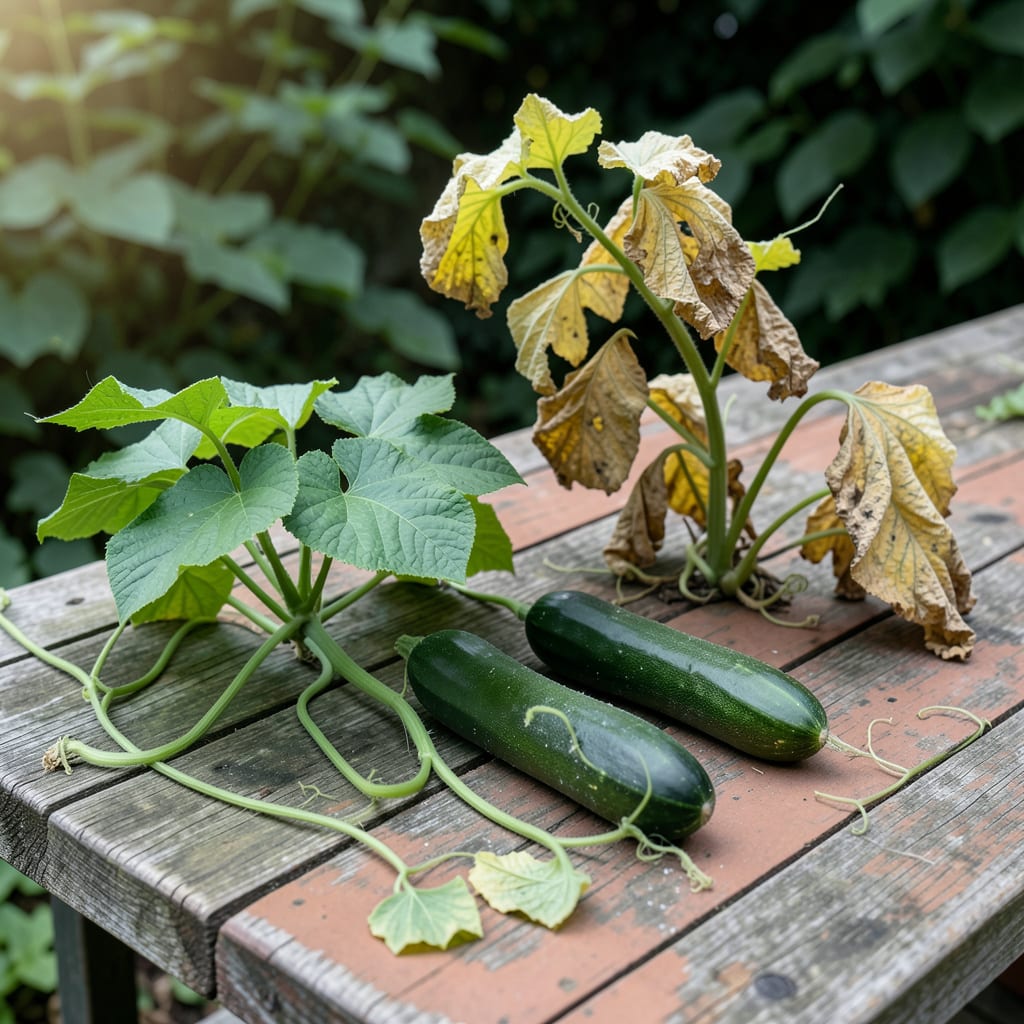
Yellow leaves on cucumber plants don’t mean failure. I’ve saved countless vines by catching the early signs—spots, wilting, or that sickly pale color spreading from the bottom up.
Most cases trace back to 3 common culprits: fungus, pests, or cultural mistakes like overwatering. The fix often starts with better air circulation, drip irrigation, or removing infected leaves before the problem spreads.
With the right approach, your plants can bounce back in 7-10 days. The key is acting fast and treating the root cause, not just the symptoms.
Works for greenhouse growers, backyard gardeners, and container setups alike. Here’s how to diagnose and treat it properly.
Yellowing leaves on cucumber plants are often a red flag for underlying issues. Here’s why it happens, broken down by the most common causes:
Pathogens like Pseudoperonospora cubensis (downy mildew) or Powdery Mildew disrupt chlorophyll production, leading to yellow patches. These fungi thrive in humid, poorly ventilated conditions and spread via water splashes or wind. Infected leaves may also develop white or grayish growth on the underside.
Sap-sucking pests such as aphids, whiteflies, or spider mites drain nutrients from leaves, causing yellowing (chlorosis) and stunted growth. Check the undersides of leaves for tiny insects, sticky residue (honeydew), or fine webbing.
A lack of nitrogen, magnesium, or iron can trigger uniform yellowing. Nitrogen deficiency often starts with older leaves turning yellow, while magnesium shortage causes interveinal chlorosis (yellowing between veins). Iron deficiency typically affects younger leaves first.
Extreme temperatures, overwatering, or poor drainage stress the plant, leading to yellowing. Root rot from waterlogged soil prevents nutrient uptake, while heat stress can scorch leaves. Ensure consistent moisture and well-draining soil.
Viruses like Cucumber Mosaic Virus (CMV) or Zucchini Yellow Mosaic Virus (ZYMV) cause mottled yellow and green patterns on leaves. These are spread by aphids or contaminated tools and often stunt plant growth.
Addressing yellowing leaves on cucumbers starts with identifying the root cause. Below are targeted solutions for common issues, paired with prevention tips to keep your plants thriving.
If yellowing is due to a lack of nitrogen, phosphorus, or potassium, apply a balanced, water-soluble fertilizer (e.g., 10-10-10) every 2–3 weeks. For iron or magnesium deficiencies, use chelated iron or Epsom salt (1 tablespoon per gallon of water) as a foliar spray. Prevention tip: Test soil before planting and amend with compost for long-term nutrient richness. 💡
Let the top inch of soil dry out between waterings. Ensure pots have drainage holes or improve garden bed drainage with organic matter. If root rot is suspected, trim affected roots and repot in fresh, well-draining soil. Prevention tip: Water deeply but infrequently—early morning is best to reduce evaporation. 🌡️
For aphids or spider mites, spray plants with neem oil or insecticidal soap (1–2 teaspoons per quart of water) every 5–7 days. Introduce beneficial insects like ladybugs for long-term control. Prevention tip: Inspect leaves regularly and remove pests by hand when spotted. ✨
For powdery mildew, spray with a baking soda solution (1 teaspoon baking soda + 1 quart water + a few drops of dish soap). Remove heavily infected leaves to prevent spread. For bacterial wilt, remove and destroy affected plants immediately. Prevention tip: Space plants for airflow and avoid overhead watering. 🎯
If leaves yellow from too much sun or heat, provide afternoon shade with row covers or move potted plants. For cold stress, use cloches or row covers to retain warmth. Prevention tip: Harden off seedlings before transplanting to reduce shock. 🌿
Check the undersides of leaves for tiny insects or webbing, which indicate pests. Disease often shows as patterned spots or powdery growth. Pests leave sticky residue, while fungal issues may have fuzzy growth.
Leaves that turned yellow due to nutrient deficiencies may recover if you correct the issue quickly. However, leaves damaged by disease or pests won’t regain their green color. Remove severely damaged leaves to redirect energy.
Mix 1 teaspoon baking soda + 1 quart water + a few drops of dish soap. Spray affected leaves thoroughly, especially the undersides. Repeat every 5-7 days until the issue clears.
