
Beautiful Plants For Your Interior
Beautiful Plants For Your Interior
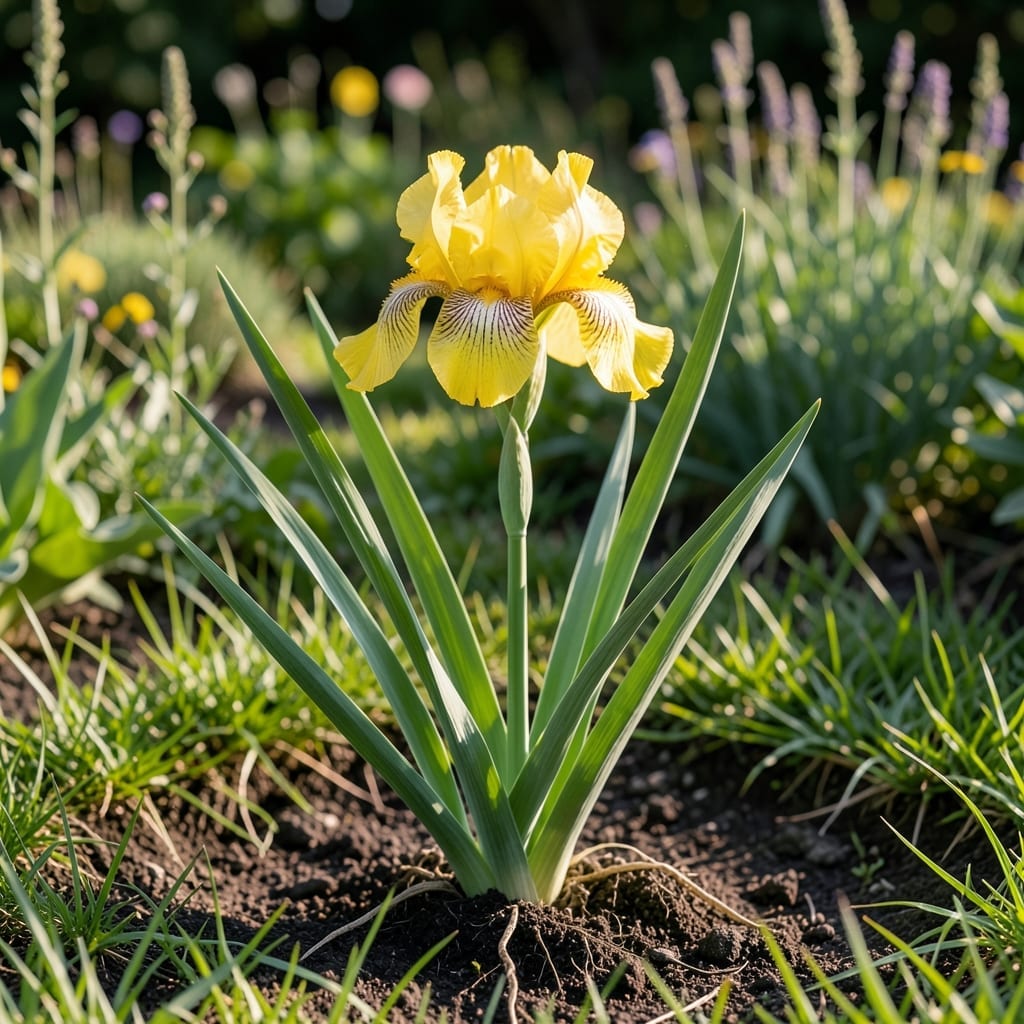
The yellow iris symbolizes passion, warmth, and joy in many cultures, while also representing hope, friendship, and new beginnings in floral language.
I love how this flower carries such rich layers of meaning across history. In ancient Egypt, it was linked to royalty and power, while European traditions often associate it with wisdom and valor. Its vibrant hue naturally evokes feelings of optimism, making it a popular choice for celebratory arrangements and thoughtful gifts. ✨
💡 In This Article
The yellow iris carries deep meaning in Ancient Greece, where it symbolized a divine connection between earth and heaven. Its golden hue represented the sun god Apollo, linking the flower to wisdom, prophecy, and divine messages. The Greeks often planted irises near temples as offerings to the gods.
In medieval Europe, the yellow iris took on protective symbolism. Its sword-like leaves and vibrant color were believed to ward off evil spirits, so people planted them near doorways and windows. The flower’s resilience in wet conditions also made it a symbol of endurance and strength.
Japanese culture views the yellow iris differently—it represents courage and admiration. During the Boys’ Day festival, families display iris leaves and flowers to celebrate strength and good fortune. The flower’s sharp leaves symbolize the warrior spirit, while its bright color conveys warmth and respect.
In the language of flowers, the yellow iris often signifies passion and elation. Its brightness naturally evokes feelings of joy and optimism, making it a popular choice for bouquets meant to uplift or celebrate. This emotional resonance stems from its association with sunlight and vitality. 🌟
Artists like Vincent van Gogh immortalized the yellow iris in paintings, capturing its vibrant energy and intricate form. These works often highlight the flower’s ability to convey both delicacy and boldness, reinforcing its cultural significance as a symbol of creativity and inspiration.
It primarily conveys joy, optimism, and warmth. The vibrant hue naturally uplifts spirits, often used to express happiness or celebrate new beginnings.
No, its bright color symbolizes life and positivity. In floral language, it’s better suited for celebrations or get-well wishes rather than somber occasions.
In Japan, it represents courage and admiration, often displayed during Boys’ Day. The sharp leaves symbolize warrior spirit, while the color conveys respect.
Its association with hope and new beginnings makes it perfect for celebrating friendships. Pair it with other cheerful flowers for extra impact.
Ancient Egyptians connected it to power due to its striking appearance. The Greeks tied it to Apollo, associating its golden hue with divine wisdom.