
Beautiful Plants For Your Interior
Beautiful Plants For Your Interior
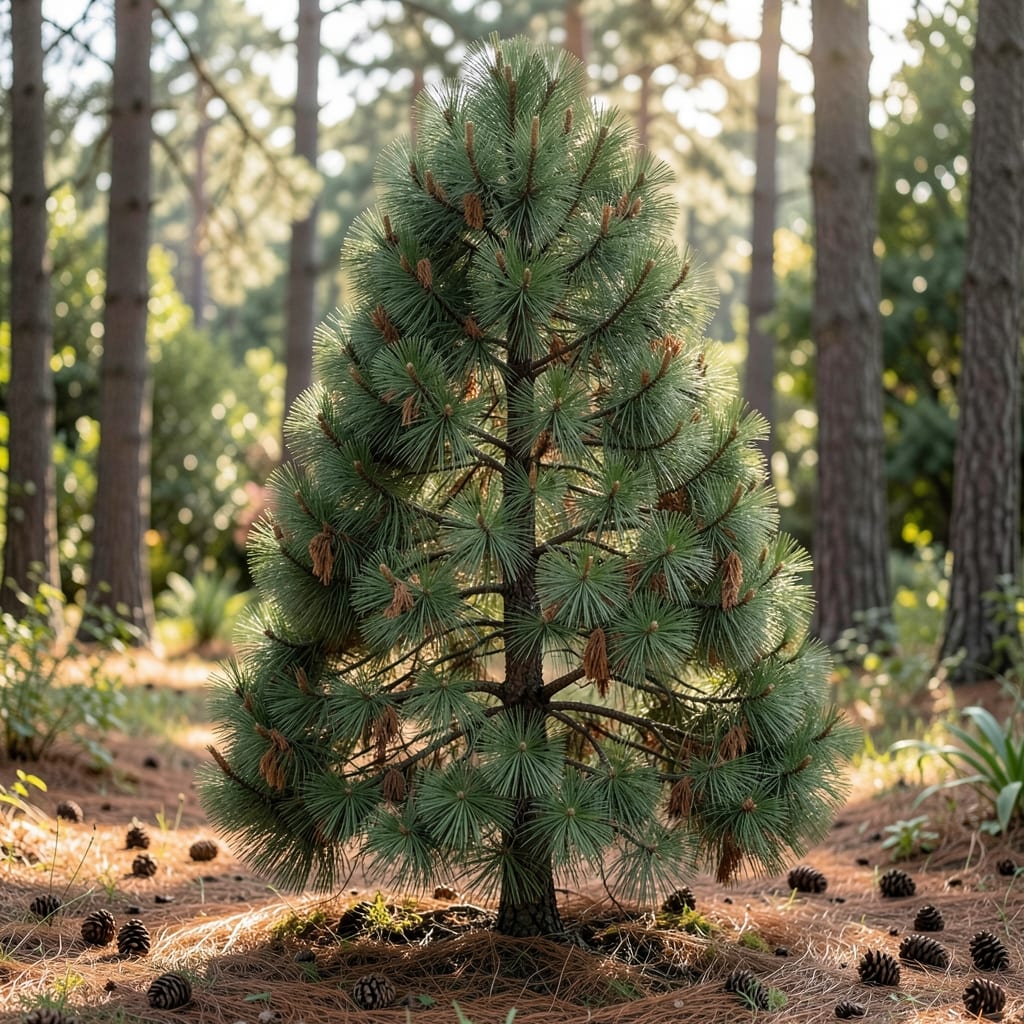
I lost three mature pines to blight before learning the early warning signs. Needles turning brown from the tips inward, blackened stems, and resin oozing like tears from the bark—these aren’t just bad signs, they’re emergency flares.
Most gardeners assume pine blight only hits weak trees, but healthy specimens can fall victim to fungal spores that spread through wind and rain. The key is catching it before the damage moves from branches to trunk.
Organic control works if you act fast. Copper fungicides applied at the first sign stop the spread, while removing infected branches prevents the disease from taking hold. Proper spacing and airflow are your best prevention.
This affects pines of all ages, but Austrian, Scotch, and Ponderosa varieties are particularly vulnerable. Early intervention saves trees—and your landscape.
Understanding why pine tree blight occurs is the first step in protecting your trees. Below are the primary causes, each backed by scientific research and field observations.
Most pine blights stem from fungal infections, particularly species like Dothistroma septosporum (red band needle blight) and Mycosphaerella dearnessii (brown spot needle blight). These fungi thrive in wet, humid conditions, spreading via spores that infect needles through stomata or wounds. Warm temperatures (60–75°F) and prolonged leaf wetness accelerate spore germination, leading to necrotic lesions and defoliation.
Pine trees under stress are more susceptible to blight. Drought, poor soil drainage, or nutrient deficiencies (e.g., potassium or magnesium) weaken a tree’s natural defenses. Overcrowding in plantations also reduces airflow, creating a microclimate ideal for fungal growth. Stress-induced ethylene production can further suppress immune responses, making trees easier targets.
Insects like pine bark beetles (Dendroctonus spp.) and sawfly larvae damage bark and needles, creating entry points for blight-causing pathogens. Their feeding wounds disrupt the tree’s vascular system, while some pests (e.g., Pissodes weevils) carry fungal spores directly into the tree. Weakened trees emit volatiles that attract more pests, creating a vicious cycle.
Improper pruning, planting depth, or irrigation can exacerbate blight. Pruning during wet seasons leaves fresh cuts vulnerable to spores, while girdling roots or compacted soil restrict water and nutrient uptake. Overhead watering wets needles for extended periods, promoting fungal spore adhesion and germination.
Actionable Tip: Always sterilize pruning tools with 70% isopropyl alcohol between cuts to prevent pathogen spread.
Stopping pine blight starts with the right fix for each cause. Below are targeted, organic solutions paired with prevention tips to keep your trees healthy long-term.
For fungal blight, prune infected branches immediately—at least 6 inches below visible damage—using sterilized tools. Burn or bag the cuttings to prevent spores from spreading. Apply a copper fungicide to wounds and surrounding areas, repeating every 2 weeks during wet seasons. Prevention tip: Improve airflow by thinning dense canopies and avoid overhead watering.
If bark beetles or sawflies are the culprits, introduce beneficial nematodes or predatory insects like ladybugs to the soil. For active outbreaks, spray neem oil or insecticidal soap at dusk, targeting undersides of branches. Prevention tip: Keep trees vigorous with balanced organic fertilizer—stressed pines attract pests.
Drought or poor soil often weakens pines, making them blight-prone. Deep-water trees weekly during dry spells (1–2 inches per session) and mulch with 2–3 inches of pine bark to retain moisture. Test soil pH; pines prefer 5.0–6.5. Amend with compost if needed. Prevention tip: Avoid compacting soil around roots—use mulch paths instead of heavy foot traffic.
Yellowing needles or stunted growth may signal a lack of magnesium or iron. Apply Epsom salt (magnesium sulfate) as a foliar spray (1 tbsp per gallon of water) or work chelated iron into the soil. Prevention tip: Test soil annually and adjust nutrients before symptoms appear.
Pro tip: Always disinfect pruning tools between cuts with rubbing alcohol to avoid spreading pathogens. Early action saves trees—and your landscape!
Under ideal fungal conditions, it can spread through a tree in 2-4 weeks. Warm, wet weather accelerates the process, while dry conditions may slow it down.
Eastern white pine and limber pine show stronger natural resistance. Austrian, Scotch, and Ponderosa are most vulnerable and need extra protection.
Once blight reaches the trunk, recovery is unlikely. Remove the tree promptly to protect others and prevent the pathogen from spreading further.