
Beautiful Plants For Your Interior
Beautiful Plants For Your Interior
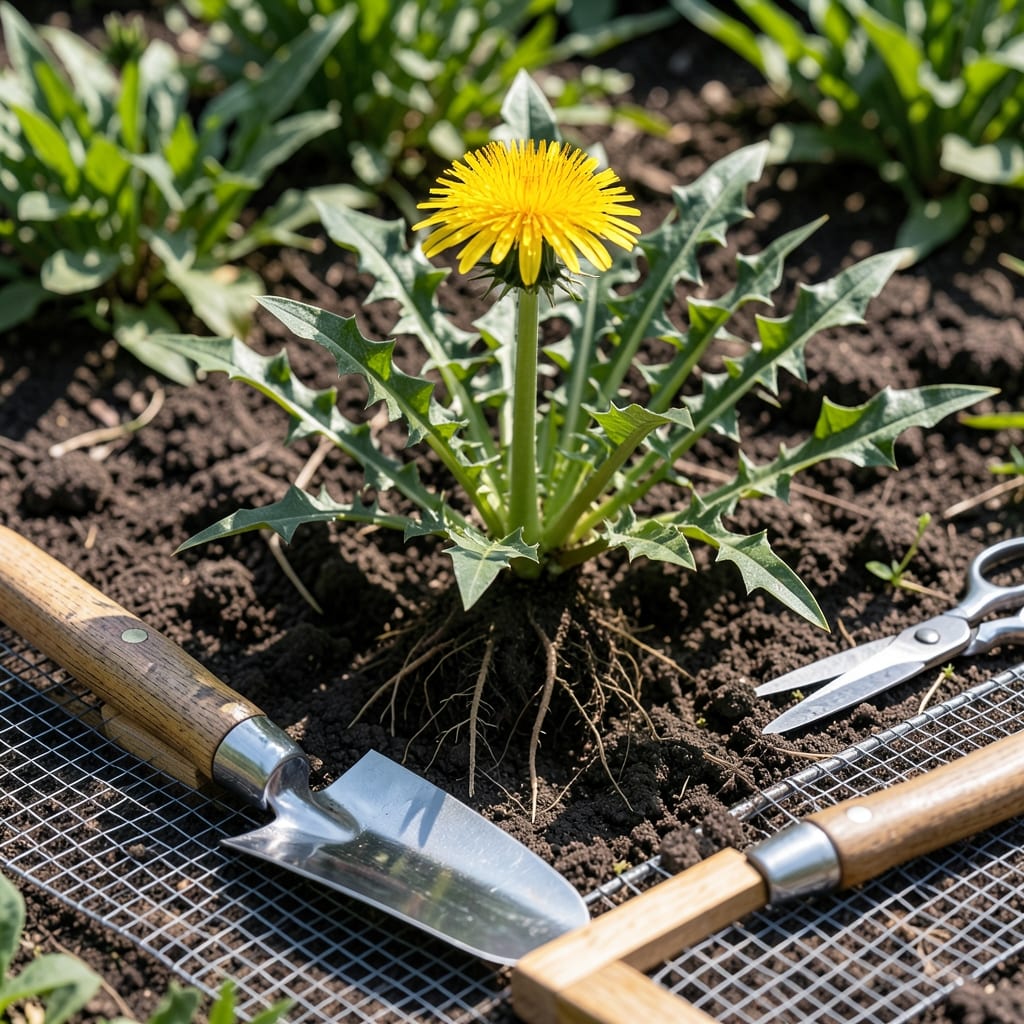
Clean and chop fresh dandelion roots, then dry them using a food dehydrator at 95°F for 8-12 hours, or air-dry in a cool, dark place for 1-2 weeks until brittle.
I prefer using a dehydrator because it preserves more of the root’s medicinal compounds by maintaining low, consistent heat. 🔥 Air-drying works well too if you have a well-ventilated space, though it takes longer and requires occasional turning to ensure even drying. Properly dried roots should snap easily, signaling they’re ready for storage or herbal preparations.
💡 In This Article
The key to preserving dandelion root’s potency lies in controlling temperature and airflow. A food dehydrator at 95°F works best because it removes moisture slowly without degrading heat-sensitive compounds like inulin and taraxacin. This method typically takes 8-12 hours and produces uniformly brittle roots ready for grinding. 🔥
Oven drying requires careful monitoring to prevent overheating. Set your oven to its lowest temperature (140-170°F) and prop the door open slightly for airflow. Spread roots in a single layer on a baking sheet and rotate every 2-3 hours. This method takes 4-6 hours but risks losing some volatile oils if temperatures spike.
Air-drying is the most traditional approach, relying on natural circulation. Hang roots in small bundles or spread them on mesh screens in a cool, dark, well-ventilated space. The process takes 1-2 weeks, with occasional turning to ensure even drying. This preserves the most natural compounds but requires patience and ideal humidity levels below 60%. ✨
What most people don’t realize is that thicker root pieces dry unevenly. For best results, slice roots lengthwise into ¼-inch strips or small cubes. This increases surface area, allowing moisture to escape faster and more evenly. The roots are fully dry when they snap cleanly rather than bend.
Each method affects the final product’s color and aroma. Dehydrated roots often retain a lighter color, while air-dried roots may darken slightly. The aroma should remain earthy and slightly bitter—any sour or musty smell indicates spoilage or improper drying. 💫
Slice roots into ¼-inch strips or small cubes for even drying. Thicker pieces take longer and may dry unevenly, leading to mold risk.
Avoid direct sunlight—it degrades beneficial compounds and can cause discoloration. Always dry in a cool, dark, well-ventilated space for best results.
Roots are ready when they snap cleanly instead of bending. If they feel pliable or damp, continue drying to prevent mold.
Use airtight glass jars in a cool, dark place. Add a silica packet to absorb moisture and check for condensation monthly.
A musty smell means mold or spoilage. Discard them and ensure future batches are fully dry before storing in low-humidity conditions.