
Beautiful Plants For Your Interior
Beautiful Plants For Your Interior
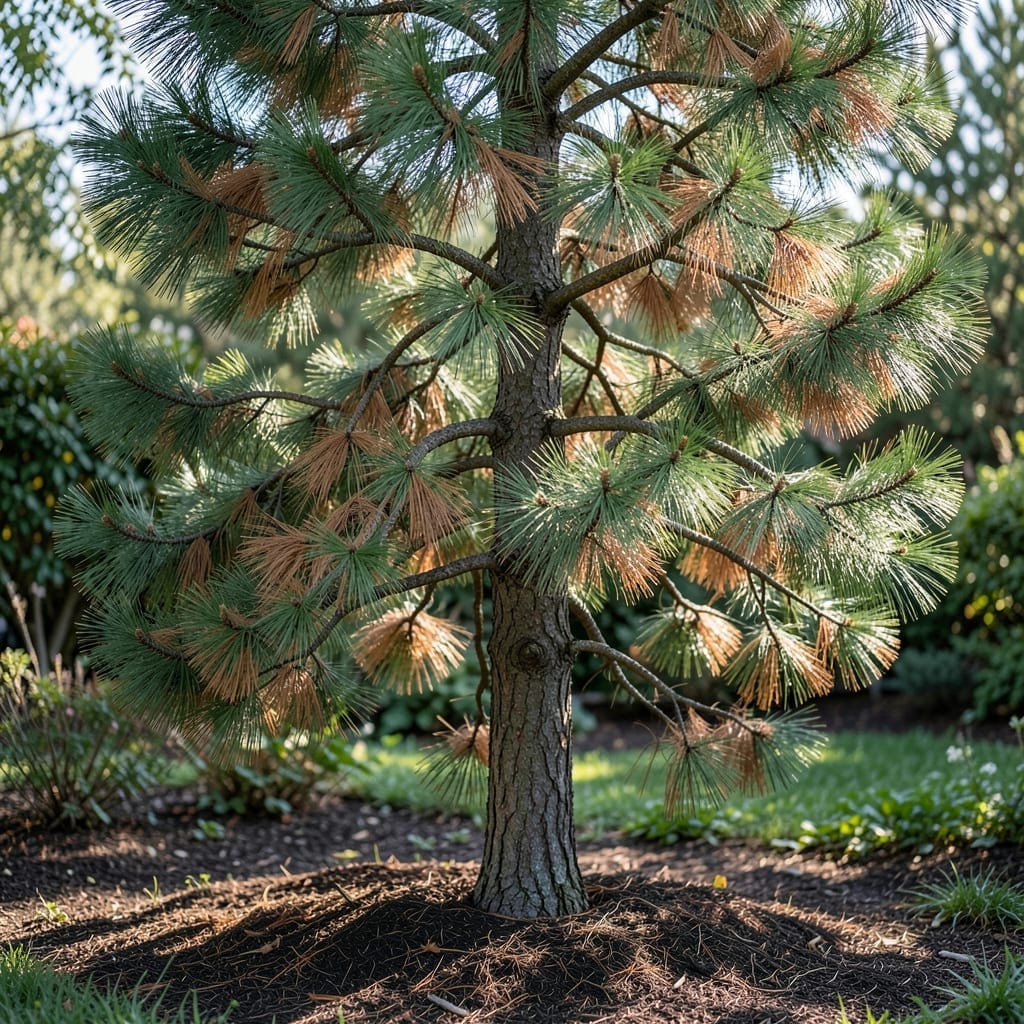
That sickening moment when you notice your pine’s needles fading to rust. I’ve stood in my yard, coffee in hand, watching healthy green turn to crisp brown in a single season. It’s not just unsightly—it’s your tree’s SOS signal.
Brown needles often start at the bottom or inner branches, spreading upward like a slow-moving fire. The culprits? Usually drought stress, fungal infections, or an unseen pest feast. Each leaves a distinct pattern if you know where to look.
Here’s the thing—most pine decline is reversible if you act fast. Proper watering, targeted treatments, and a bit of detective work can nurse your tree back to its vibrant green. The fix is simpler than you’d think.
Don’t write it off as a goner yet. With the right approach, even the most stressed pines can rebound within a few months. Let’s figure out what yours is trying to tell you.
Pine trees turning brown often signal underlying stress or disease. Understanding the root causes helps you address the issue effectively and restore your tree’s health.
Extreme weather conditions are a primary culprit. Drought stress deprives pines of essential moisture, leading to needle discoloration and browning. Conversely, waterlogged soil suffocates roots, preventing nutrient uptake. Temperature swings—especially late frosts—can also damage tender new growth, causing brown patches.
Several fungal diseases target pines, including pine wilt nematode (carried by beetles) and Dothistroma needle blight. These pathogens block water and nutrient flow, resulting in browning needles. Fungal spores thrive in wet, humid conditions, so poor air circulation or overhead watering can exacerbate the problem.
Insects like bark beetles, pine sawflies, and scale insects weaken trees by feeding on sap, needles, or bark. Beetles, in particular, bore into the tree, disrupting its vascular system. A heavy infestation can cause rapid browning and, if untreated, tree death.
Poor soil quality—such as compacted or nutrient-deficient soil—can stress pines, leading to browning. A pH imbalance (too acidic or alkaline) may lock out essential nutrients like iron or magnesium. Additionally, herbicide drift from nearby lawn treatments can chemically damage pine needles.
Older pine trees naturally shed inner needles as part of their growth cycle. If browning is concentrated on the innermost needles while outer growth remains green, this is likely normal senescence and not a cause for concern.
If your pine trees are turning brown, don’t panic—there’s usually a fix! Below are targeted solutions based on the most common causes, along with prevention tips to keep your pines healthy and vibrant.
If dry conditions are to blame, give your pine a slow, deep watering at the base (not the needles). Water early in the morning to reduce evaporation, aiming for 1–2 inches per week (use a rain gauge to track). For young trees, prioritize consistent moisture. Prevention tip: Apply a 2–3 inch layer of mulch (like wood chips) around the base to retain soil moisture, but keep it 3–4 inches away from the trunk to avoid rot. 💡
For bark beetles or pine sawflies, act fast. Remove heavily infested branches and destroy them (burn or bag). For active outbreaks, apply horticultural oil or insecticidal soap to the affected areas, following label instructions. Prevention tip: Keep trees healthy with proper watering and fertilization—stressed trees attract pests. Inspect your pines weekly in spring and summer for early signs like sawdust-like frass or chewed needles. 🎯
Fungi like dothistroma needle blight thrive in wet, crowded conditions. Prune dense, inner branches to improve airflow and sunlight penetration. Remove and destroy infected needles (don’t compost them!). For severe cases, apply a copper-based fungicide in early spring or fall. Prevention tip: Space trees 10–15 feet apart and avoid overhead watering. ✨
Brown needles from winter burn or salt exposure? Shield trees with burlap wraps in winter, and rinse salt spray off needles with fresh water. For nutrient deficiencies, test your soil and amend with a balanced fertilizer (e.g., 10-10-10) in early spring. Prevention tip: Plant pines in well-draining soil and avoid high-nitrogen fertilizers, which can promote weak growth. 🌱
Provide 1-2 inches of water weekly during dry spells, watering deeply at the base in early morning. Young trees need consistent moisture, while established ones tolerate some drought.
Once needles turn brown, they won’t recover. However, with proper care, new healthy growth will replace them within a few months. Focus on addressing the underlying issue.
Check the browning pattern: bottom-up suggests drought, inner needles point to aging, and scattered brown spots indicate pests or disease. Look for pests like sawdust-like frass or webbing.
Yes, apply a 2-3 inch layer of organic mulch to retain moisture, but keep it 3-4 inches from the trunk to prevent rot. This helps regulate soil temperature too.