
Beautiful Plants For Your Interior
Beautiful Plants For Your Interior
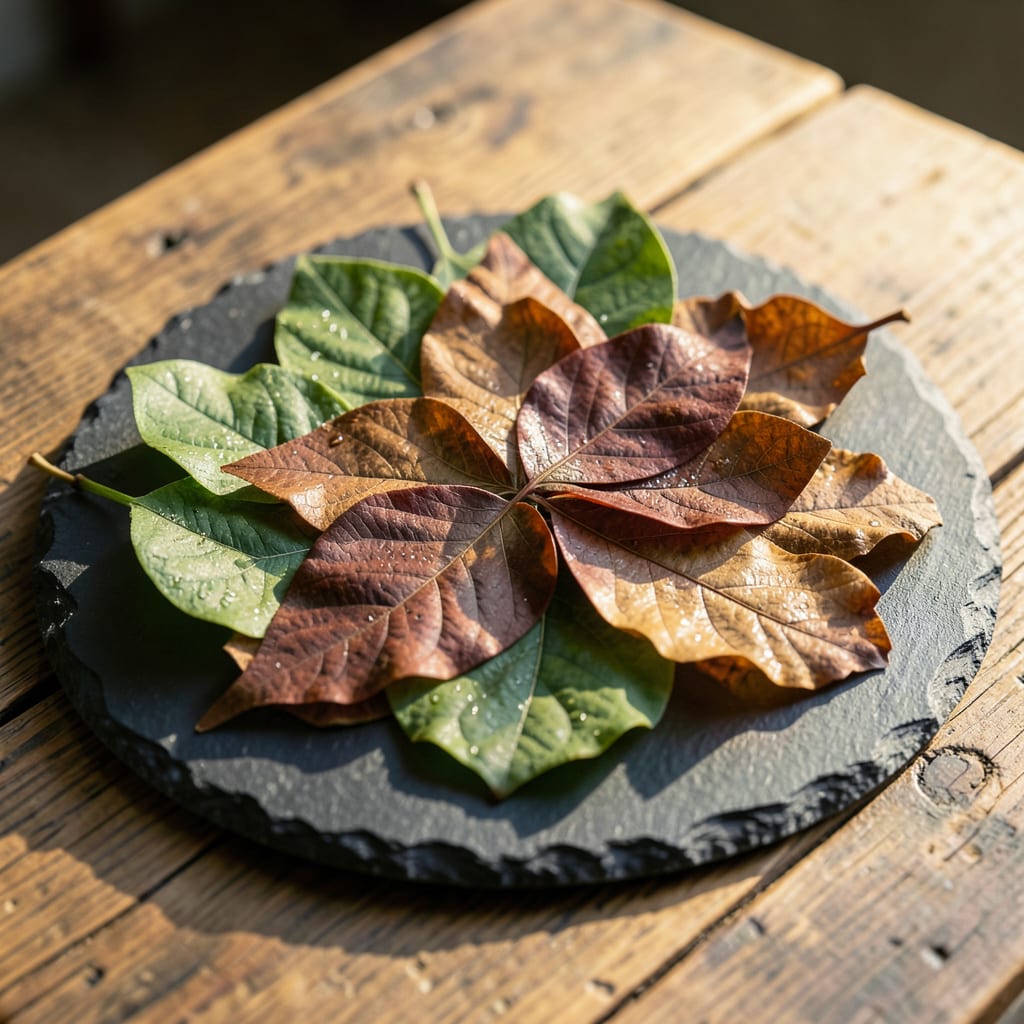
Watching vibrant green leaves fade to brown hits different. I’ve lost count of how many times I’ve panicked over this exact issue, only to realize it’s usually fixable with a few adjustments.
Most often, it’s not disease but simple stress—too much water, not enough, or the wrong nutrients at the wrong time. The plant’s way of waving a white flag. Catching it early makes all the difference.
You can restore healthy foliage faster than you think. The key is diagnosing the root cause before it spreads. I’ve turned around dozens of plants with 3 basic checks.
Works for houseplants, garden beds, or container arrangements. Here’s how to read the signs and respond.
Leaves turning from green to brown often signal underlying issues in plant health. Below are the primary causes, each with a clear scientific basis.
Excessive sunlight or heat can scorch leaves, leading to browning. Plants use chlorophyll (the green pigment) to convert sunlight into energy, but photooxidative stress occurs when light intensity overwhelms the plant’s ability to process it. This damages cell membranes, causing necrosis (tissue death) and brown patches. Drought stress also triggers a similar response, as water scarcity disrupts nutrient transport, accelerating leaf decay.
Brown leaves often indicate a lack of essential nutrients. Nitrogen deficiency causes uniform yellowing (chlorosis) that progresses to brown as proteins break down. Potassium shortage leads to edge scorching, where leaf margins turn brown due to impaired water regulation. Magnesium deficiency starts with interveinal chlorosis (yellowing between veins) and evolves into brown, crispy patches as chlorophyll production fails.
Pathogens like Alternaria or Septoria cause brown spots with defined edges, often surrounded by yellow halos. These microbes secrete cell wall-degrading enzymes, breaking down plant tissue. Bacterial leaf blight (Xanthomonas) creates water-soaked brown lesions as toxins disrupt cellular functions. High humidity and poor airflow exacerbate these infections.
Over-fertilization or pesticide burn can lead to salt injury, where excess minerals draw water out of leaf cells via osmosis. This causes tip burn or marginal browning. Similarly, herbicide drift (e.g., glyphosate) disrupts amino acid synthesis, leading to systemic browning as the plant’s metabolism collapses.
When your plants’ vibrant green leaves start turning brown, quick action can restore their health. Below are targeted fixes for common causes, along with prevention tips to keep your greenery thriving.
If the soil is bone-dry, give your plant a deep watering until water drains from the bottom. For potted plants, soak the pot in a tray of water for 10–15 minutes. Prevention tip: 💡 Check soil moisture weekly—stick your finger an inch deep; if it’s dry, it’s time to water.
Root rot from soggy soil causes browning. Stop watering immediately and let the soil dry out. Repot in fresh, well-draining soil and ensure pots have drainage holes. Prevention tip: ✨ Use a moisture meter or lift the pot—if it feels heavy, hold off on watering.
Scorched leaves mean too much direct sunlight. Move the plant to a spot with bright, indirect light or use a sheer curtain to filter harsh rays. Prevention tip: 🎯 Rotate plants occasionally for even light distribution.
Brown, crispy edges often signal dry air. Mist leaves daily or place a humidifier nearby. Grouping plants together also raises humidity. Prevention tip: 🌡️ Keep indoor humidity between 40–60% for most houseplants.
Yellowing followed by browning may indicate a lack of nutrients. Use a balanced, water-soluble fertilizer every 4–6 weeks during growing season. Prevention tip: 📊 Test soil pH—most plants prefer slightly acidic to neutral (6.0–7.0).
Inspect leaves for pests like spider mites or fungal spots. Wipe leaves with neem oil or insecticidal soap, and isolate affected plants. Remove heavily damaged leaves to prevent spread. Prevention tip: 🔥 Keep plants clean and avoid overcrowding for better airflow.
Underwatered leaves feel dry and crispy, while overwatered ones appear soft and mushy. Check the soil: if it’s bone-dry, it’s thirsty; if soggy, it’s drowning. Adjust watering accordingly.
Unfortunately, once leaves turn brown, they won’t recover. Focus on fixing the underlying issue to prevent new leaves from browning. Trim the damaged ones to redirect energy to healthy growth.
Yes, over-fertilizing leads to salt burn, causing brown tips or edges. Flush the soil with water to remove excess salts, and reduce fertilizer frequency moving forward.
