
Beautiful Plants For Your Interior
Beautiful Plants For Your Interior
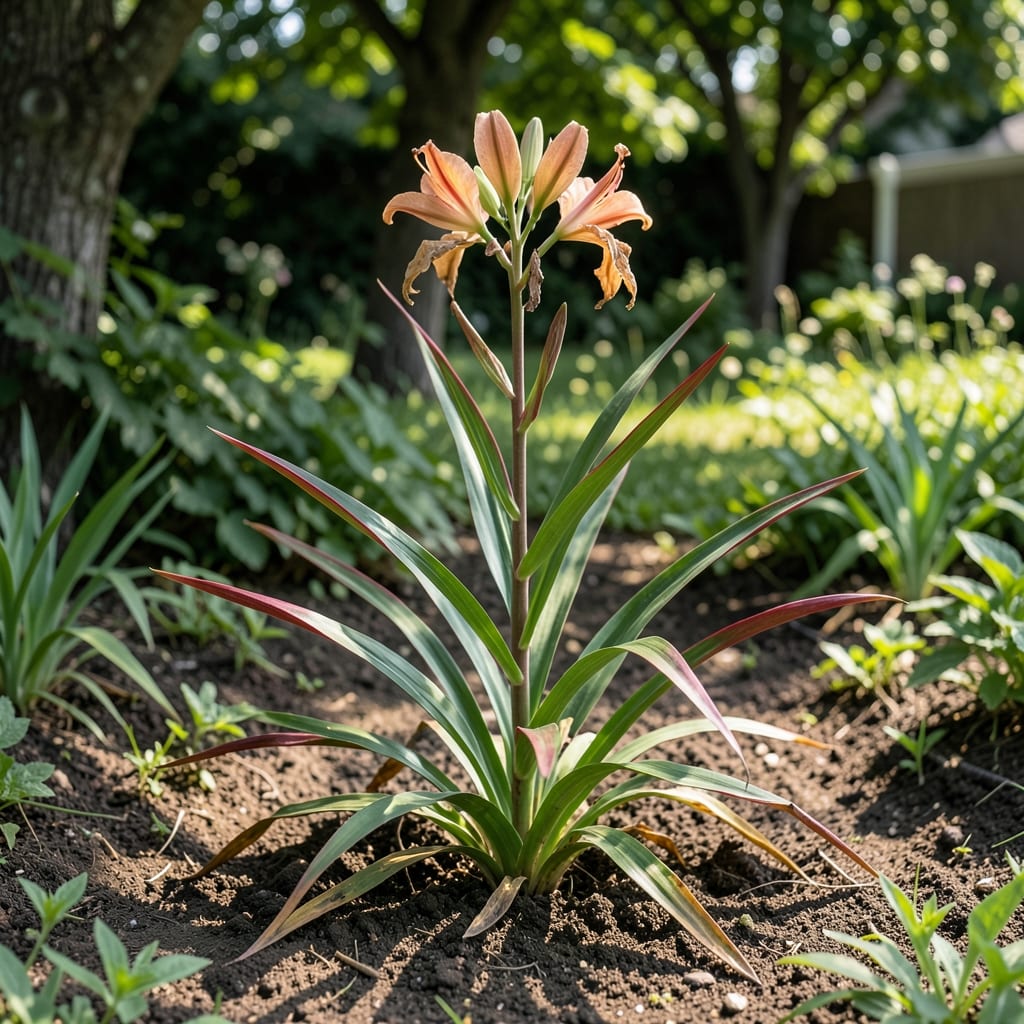
Red lilies caught me off guard last summer. I thought my plants were thriving until the leaves started developing that alarming crimson hue, and I realized something was seriously wrong.
Here’s the thing—this isn’t just about aesthetics. Those reddening leaves signal stress that can weaken your plants and reduce next year’s blooms if left unchecked. I’ve seen it happen.
After some trial and error (and a few lost bulbs), I learned the most common culprits: too much sun, nutrient imbalances, or sneaky fungal issues. Each has a simple solution once you identify the root cause.
You’ll have healthy green foliage again within 2-3 weeks of applying the right fix. Let’s figure out what your lilies need.
Lilies turning red can be alarming, but understanding the underlying causes helps you address the issue effectively. Here’s a breakdown of the most common triggers:
Extreme temperatures, excessive sunlight, or sudden weather changes can stress lilies, leading to reddening. Direct sunlight (especially in hot climates) often causes leaf scorching, while cold drafts may trigger a stress response. Move potted lilies to shaded areas during peak heat or cover them during unexpected frosts.
A deficiency or excess of certain nutrients can cause discoloration. Phosphorus deficiency often results in reddish-purple leaves, while nitrogen overload may lead to unnatural red hues. Test your soil with a pH kit (ideal range: 6.0–6.5) and adjust fertilizers accordingly—opt for balanced formulations like 10-10-10.
Pathogens like Botrytis (gray mold) or bacterial leaf blight can cause red spots or streaks. These thrive in humid, poorly ventilated conditions. Remove infected leaves immediately, improve airflow, and apply copper-based fungicides preventatively. Avoid overhead watering to reduce moisture on foliage.
Herbicides, pesticides, or even hard water can induce reddening. Lilies are sensitive to chlorine and fluoride in tap water. Use filtered or rainwater for irrigation, and always follow label instructions for chemical treatments to prevent toxicity.
If your lily is turning red, don’t panic—there are practical steps you can take to restore its health. Below are targeted solutions for the most common causes, along with prevention tips to keep your plant thriving.
If the leaves are turning red due to excessive sunlight, move the plant to a shaded area or use a sheer curtain to filter the light. Lilies generally prefer bright, indirect light. To prevent this in the future, gradually acclimate your lily to stronger light if it’s been indoors for a while.
Check the soil moisture—if it’s bone dry, water the plant deeply until it drains from the bottom. If the soil is soggy, let it dry out and ensure the pot has drainage holes. Going forward, water when the top inch of soil feels dry to the touch. A consistent watering schedule prevents stress-induced discoloration.
Pro tip 💡: Use a pot with drainage holes and a saucer to catch excess water, preventing root rot.
Lilies can turn red if exposed to extreme temperatures. Move the plant away from heaters, AC vents, or drafty windows. Keep it in a stable environment between 65–75°F (18–24°C). If outdoors, provide afternoon shade during heatwaves.
A lack of essential nutrients, particularly phosphorus or magnesium, can cause reddening. Fertilize with a balanced, water-soluble plant food (10-10-10 or 20-20-20) every 4–6 weeks during the growing season. For a quick fix, use a magnesium-rich supplement like Epsom salts (1 tablespoon per gallon of water) if the issue persists.
Inspect the plant for pests like spider mites or aphids, which can stress the lily and cause discoloration. Wipe leaves with a damp cloth or use insecticidal soap to remove pests. For prevention, regularly mist the plant to deter mites and keep the area clean.
Pro tip ✨: Neem oil is a natural, effective treatment for many common pests—apply weekly until the issue resolves.
Not always. Some lily varieties naturally develop red tones as they mature. But sudden or widespread reddening usually signals stress. Check for other symptoms like wilting or spots to determine if it’s normal or problematic.
With proper care, lilies often show recovery within 1-2 weeks. Environmental fixes (like adjusting light or water) work fastest. Nutrient corrections may take slightly longer as the plant absorbs new minerals.
Consistent care is key. Maintain stable conditions: bright, indirect light, well-draining soil, and regular watering. Avoid placing lilies near heat sources or in drafty areas.